
Title
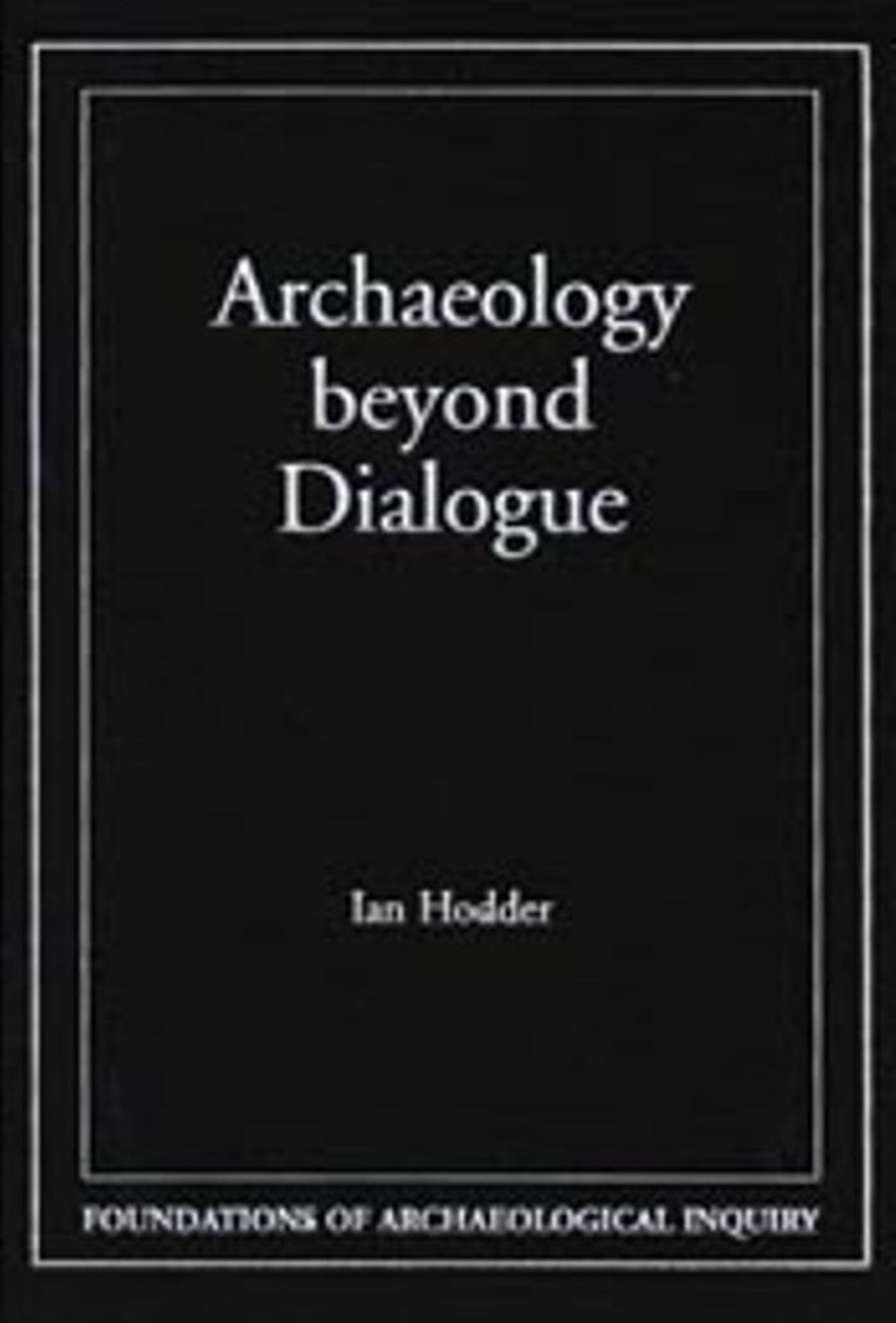
Archaeology Beyond Dialogue (Foundations of Archaeological Inquiry),Used
Sold by Ergodebooks, an authorized reseller.
Returns accepted within 30 days | support@ergodebooks.com
Shipping Information
- Free Standard Shipping — United States only
- Processing Time: 3–5 business days
- Estimated Delivery: 6–10 business days after dispatch
- Double-boxed, fully insured & discreetly packaged
- Tracking number sent via email once dispatched
Returns & Refund
Returns accepted within 30 days of delivery.
Damaged or Defective Item
Free return shipping + replacement or full refund
Wrong Item Received
Free return shipping + replacement or full refund
Change of Mind
Return shipping at customer's expense · 25% restocking fee applies
Payment Option

How do global trends affect our view of the past?World trends such as tourism, diaspora, and media globalization have led to new forms of relationship with the past. Yet these global processes also threaten to silence local or alternate claims to that past. How should archaeologists respond to this dispersal of archaeological knowledge and interest? Many have come to accept the need for dialogue. In Archaeology Beyond Dialogue, Ian Hodder argues that there is a need to do more than engage in dialogue with participating communities; archaeologists must consider the implications of globalizing trends for the way they excavate and analyze their data.Over the last two decades, Ian Hodder has been a central figure in archaeological method and theory arguing for reflexive techniques that are more transparent, dialogical, and participatory. He explores these developments by examining the diversification of archaeology, the effect of a more global archaeology on archaeological methods and analysis, new theoretical trends in social archaeology, and new interpretations of prehistoric sites focusing on agency, power/knowledge, and subject position. Hodder applies these concepts to the important site of atalhyk in Turkey and the megaliths and monuments of the European Neolithic. He contrasts alternative approaches that claim, unsuccessfully in his view, to eschew meaning in the interpretation of the past.This book should stir the archaeological community to a realization that it does not exist in a vacuum and that the part it plays affects many people: those with ancestral ties to the prehistoric inhabitants, those living in the general vicinity of the site, and the workers doing the excavation.
⚠️ WARNING (California Proposition 65):
This product may contain chemicals known to the State of California to cause cancer, birth defects, or other reproductive harm.
For more information, please visit www.P65Warnings.ca.gov.