
Title
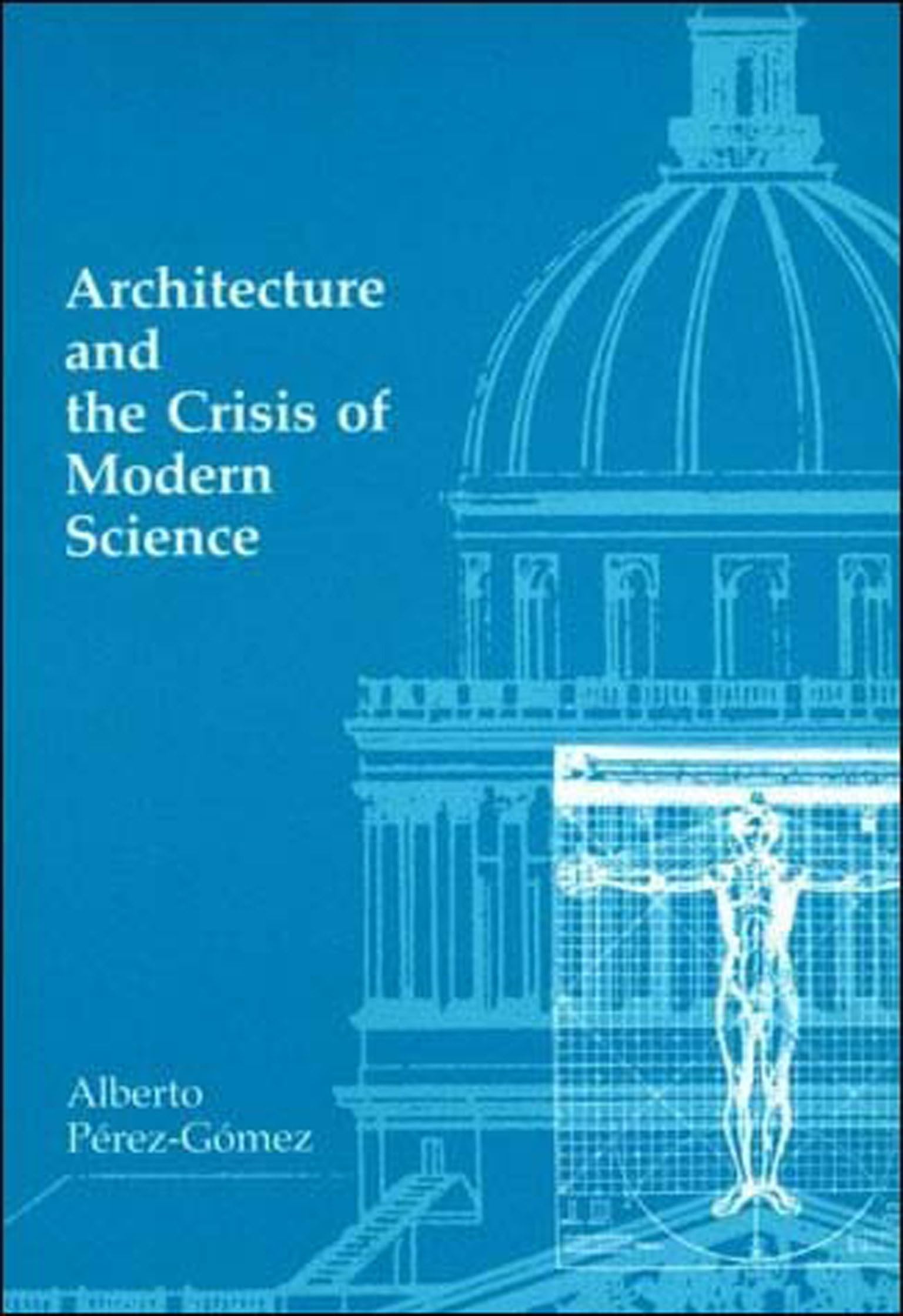
Architecture and the Crisis of Modern Science (Mit Press),Used
Sold by Ergodebooks, an authorized reseller.
Returns accepted within 30 days | support@ergodebooks.com
Shipping Information
- Free Standard Shipping — United States only
- Processing Time: 3–5 business days
- Estimated Delivery: 6–10 business days after dispatch
- Double-boxed, fully insured & discreetly packaged
- Tracking number sent via email once dispatched
Returns & Refund
Returns accepted within 30 days of delivery.
Damaged or Defective Item
Free return shipping + replacement or full refund
Wrong Item Received
Free return shipping + replacement or full refund
Change of Mind
Return shipping at customer's expense · 25% restocking fee applies
Payment Option

This important book, which won the 1984 Alice Davis Hitchcock Award, traces the process by which the mystical and numerological grounds for the use of number and geometry in building gave way to the more functional and technical ones that prevail in architectural theory and practice today.Between the late Renaissance and the early nineteenth century, the ancient arts of architecture were being profoundly transformed by the scientific revolution. This important book, which won the 1984 Alice Davis Hitchcock Award, traces the process by which the mystical and numerological grounds for the use of number and geometry in building gave way to the more functional and technical ones that prevail in architectural theory and practice today. Throughout, it relates the major architectural treatises of successive generations to the larger culture and the writings of philosophers, mathematicians, scientists, and engineers.The book leads the reader through the controversy that was generated by Claude Perrault in the seventeenth century. His writings began to cast doubt on the absolute aesthetic value of the classical orders and the 'perfect' proportions that were architecture's legacy from Pythagorean times. Thus the once immutable 'invisible' system lost its special status forever. The book focuses in particular on eighteenthcentury developments in the science of mechanics and emerging techniques in structural analysis which slowly entered the architectural treatises and found their way into practice, often by way of civil and military engineers. And by the nineteenth century, the book notes, even architectural rendering and drawing were radically changed through the introduction of new descriptive and projective geometries.Tracing these fundamental changes in architectural intentions, PrezGmez challenges many popular misconceptions about the theory and history of modern architecture. At the same time, he suggests an intangible loss, that of a culture's power to express through a building its total mathematical, mystical, and magical worldview.
⚠️ WARNING (California Proposition 65):
This product may contain chemicals known to the State of California to cause cancer, birth defects, or other reproductive harm.
For more information, please visit www.P65Warnings.ca.gov.