
Title
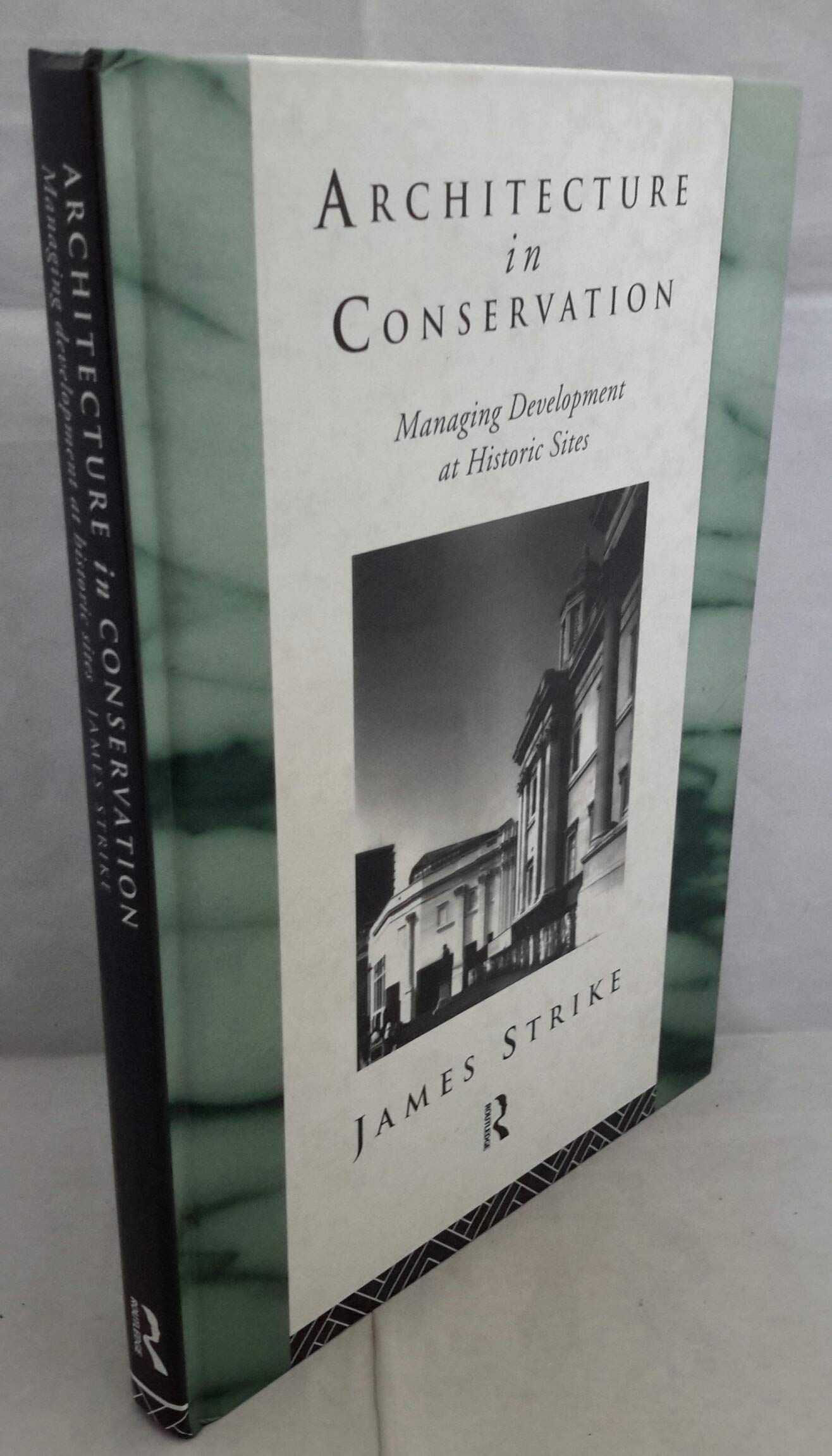
Architecture in Conservation: Managing Development at Historic Sites (Heritage: CarePreservationManagement),Used
Sold by Ergodebooks, an authorized reseller.
Returns accepted within 30 days | support@ergodebooks.com
Shipping Information
- Free Standard Shipping — United States only
- Processing Time: 3–5 business days
- Estimated Delivery: 6–10 business days after dispatch
- Double-boxed, fully insured & discreetly packaged
- Tracking number sent via email once dispatched
Returns & Refund
Returns accepted within 30 days of delivery.
Damaged or Defective Item
Free return shipping + replacement or full refund
Wrong Item Received
Free return shipping + replacement or full refund
Change of Mind
Return shipping at customer's expense · 25% restocking fee applies
Payment Option

One of the problems faced by heritage organizations and museums is adapting old buildings to their needs or building new ones to fit in with historic sites. How exactly do you create a visitor's centre at Stonehenge? The real difficulty lies where the budget is minimal, and the potential damage to the environment or setting enormous. Architecture in Conservation looks at the need of the heritage industry to respond sensitively to the limitations or potentials of the environment. James Strike explains the strategies for producing new development at historic sites, examining the philosophy of conservation practive and stressing the importance of taking into account the characteristics of each individual site. He explains the way in which the methods of producing good developments relate to our very perception of history, and addresses the practical problems involved in developing appropriate sites, including the current architectural interest in pastiche versus modern design. Case studies from around the world demonstrate the potential of each approach.James Strike draws on his broad experience as an architect at English Heritage to show that a sensitive approach to these issues can unlock conservation problems and open up new opportunities for architectural expansion. Architecture in conservation will be of considerable interest to site owners and architects responsible for site development, and to students of architecture, history and building practice and is intended as a handbook for those responsible for commissioning heritage work.
⚠️ WARNING (California Proposition 65):
This product may contain chemicals known to the State of California to cause cancer, birth defects, or other reproductive harm.
For more information, please visit www.P65Warnings.ca.gov.