
Title
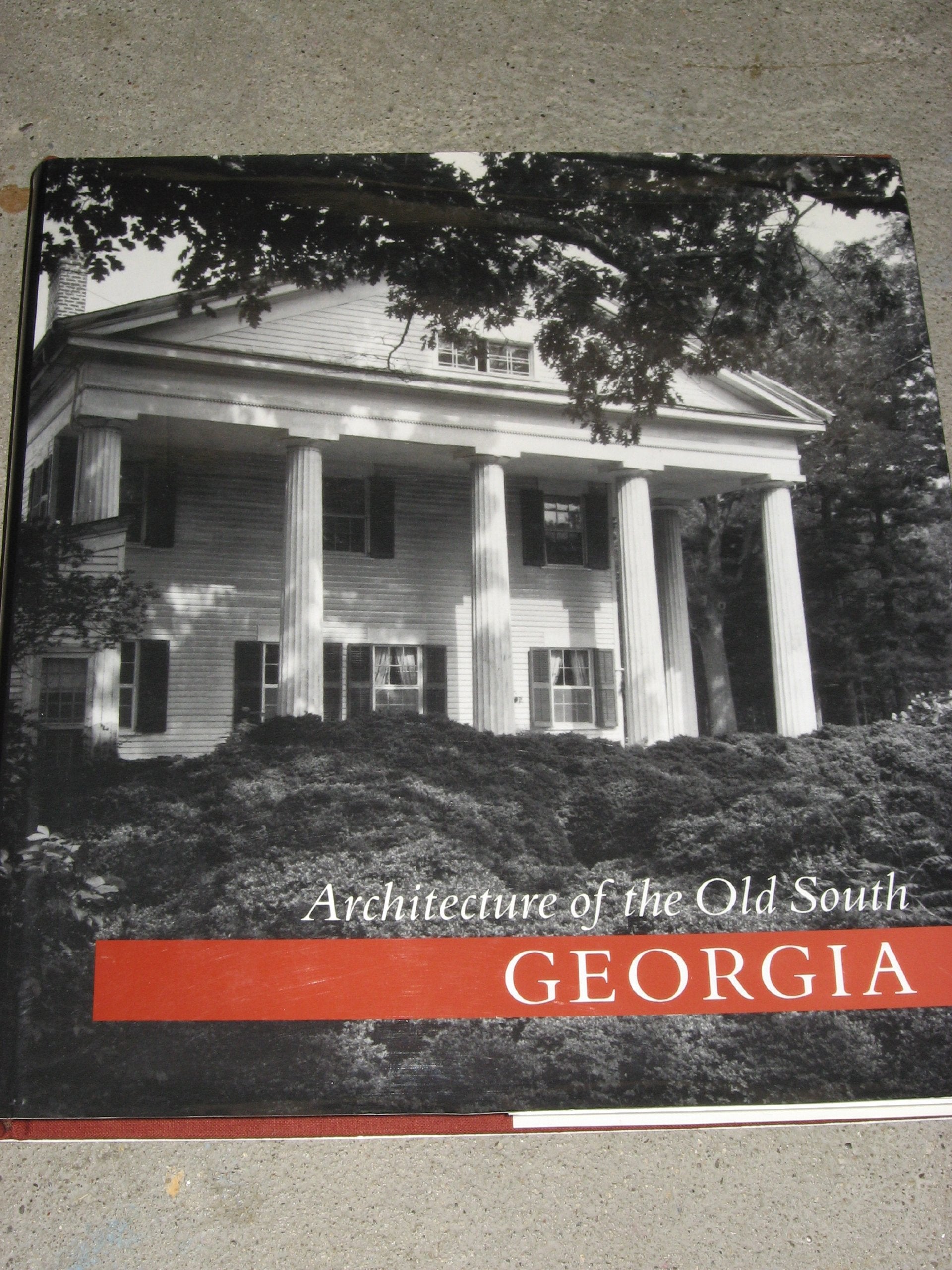
Architecture of the Old South: Georgia,Used
Sold by Ergodebooks, an authorized reseller.
Returns accepted within 30 days | support@ergodebooks.com
Shipping Information
- Free Standard Shipping — United States only
- Processing Time: 3–5 business days
- Estimated Delivery: 6–10 business days after dispatch
- Double-boxed, fully insured & discreetly packaged
- Tracking number sent via email once dispatched
Returns & Refund
Returns accepted within 30 days of delivery.
Damaged or Defective Item
Free return shipping + replacement or full refund
Wrong Item Received
Free return shipping + replacement or full refund
Change of Mind
Return shipping at customer's expense · 25% restocking fee applies
Payment Option

Architecture of the Old South: Georgia continues a series of handsome books about the historic buildings of the Old South. Each volume illustrates and describes the important and beautiful buildings restored, unrestored, demolished, and sometimes even designs that were never executed of one or two states in the region. In this volume, some two hundred buildings of Georgia are featured, with evocative photographs, historic prints and drawings, new plans, and a text that describes the historical and social setting that created them.Founded in 1733 as a refuge for poor and improvident people who could not 'make it' in England, Georgia became the last and poorest American colony. Only a handful of 18thcentury buildings has survived. But after the invention of the cotton gin on a plantation outside Savannah in 1793, the transformation of Georgia and the South began. The port of Savannah prospered as never before. In 1817 the young, professionally trained, Englishborn architect William Jay began building opulent villas in the London Regency mode. Meanwhile, New England housewrights brought the refined AdamFederal style to the capital, Milledgeville, and to middle Georgia. In the 1840s, master carpenters, with the aid of pattern books, produced the finest Greek Revival mansions of the Old South in Athens, Washington, Macon, Roswell, and Columbus.Among the principal buildings described and illustrated are the James Vann House, Spring Place, an Indian chief's frontier brick mansion; Thomas Spalding House, Sapelo Island, a gentleman amateur's Palladian villa on a wilderness island; Richard Richardson House, Savannah, the first and greatest of William Jay's famous Regency villas (a whole chapter is devoted to Jay in Georgia); Governor's Mansion at Milledgeville, a Greek Revival masterwork by Irishborn Charles B. Cluskey; and Charles Green Mansion, Savannah, the greatest Gothic house south of Virginia, designed by New Yorker John Norris for an Englishborn cotton merchant.Many pages are devoted to memorable Savannah, with its 18thcentury town plan, inspired by Renaissance military textbooks but expanded for 125 years as an unparalleled example of public planning, and its many treelined, brickpaved streets.
⚠️ WARNING (California Proposition 65):
This product may contain chemicals known to the State of California to cause cancer, birth defects, or other reproductive harm.
For more information, please visit www.P65Warnings.ca.gov.