
Title
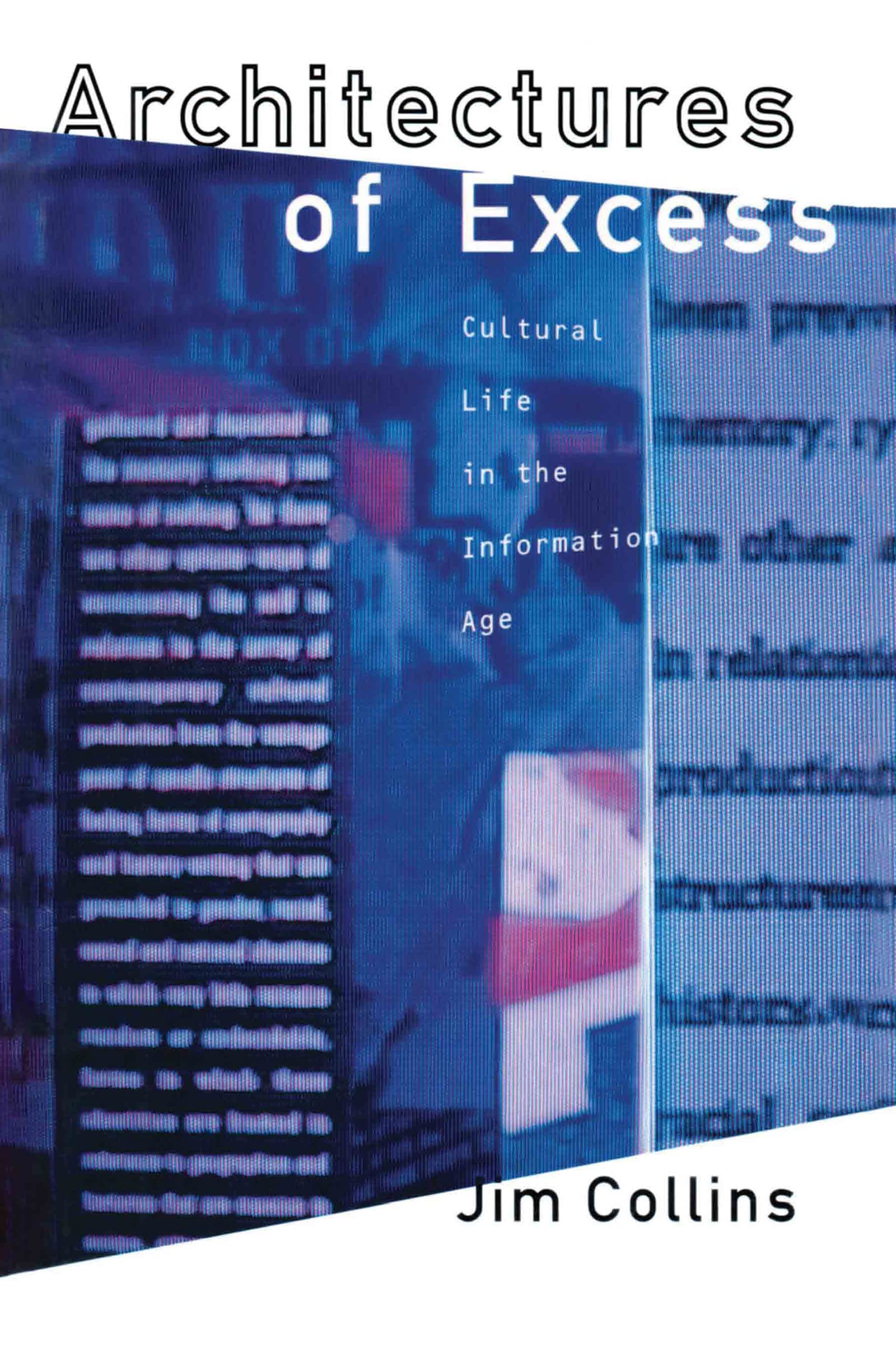
Architectures of Excess: Cultural Life in the Information Age (Oxford World's Classics (Paperback)),Used
Sold by Ergodebooks, an authorized reseller.
Returns accepted within 30 days | support@ergodebooks.com
Shipping Information
- Free Standard Shipping — United States only
- Processing Time: 3–5 business days
- Estimated Delivery: 6–10 business days after dispatch
- Double-boxed, fully insured & discreetly packaged
- Tracking number sent via email once dispatched
Returns & Refund
Returns accepted within 30 days of delivery.
Damaged or Defective Item
Free return shipping + replacement or full refund
Wrong Item Received
Free return shipping + replacement or full refund
Change of Mind
Return shipping at customer's expense · 25% restocking fee applies
Payment Option

First Published in 1995. Much of recent theory has characterized life in mediasophisticated societies in terms of a semiotic overload which, allegedly, has had only devastating effects on communication and subjectivity. In Architectures of Excess, Jim Collins argues that, while the rate of technological change has indeed accelerated, so has the rate of absorption. The seemingly endless array of information has generated not chaos but different structures and strategies, which harness that excess by turning it into forms of art and entertainment. Digital sampling in rap music and cyberpunk science fiction are wellknown examples of technopop textuality, but Collins concentrates on other contemporaneous phenomena that are also envisioning new cultural landscapes by accessing that arrayhyperselfreflexivity in mall movies, best sellers, and primetime television; the deconstructive vs. newclassical debate in architecture; the emergence of the 'New Black Aesthetic;' the development of retromodernism in interior design and the fashion industries. The analyses of these disparate, discontinous attempts to develop a meaningful sense of location, in an historical as well as a spatial sense, address a cluster of interconnected questions: How is the array of information being 'domesticated?' How has appropriationism evolved from the PopArt of the sixties to the sampling of the nineties? How has the relationship between tradition, innovation, and evaluation been altered? Architectures of Excess investigates how these phenomena reflect change in taste and subjectivity, considering how we must account for both, pedagogically.
⚠️ WARNING (California Proposition 65):
This product may contain chemicals known to the State of California to cause cancer, birth defects, or other reproductive harm.
For more information, please visit www.P65Warnings.ca.gov.