
Title
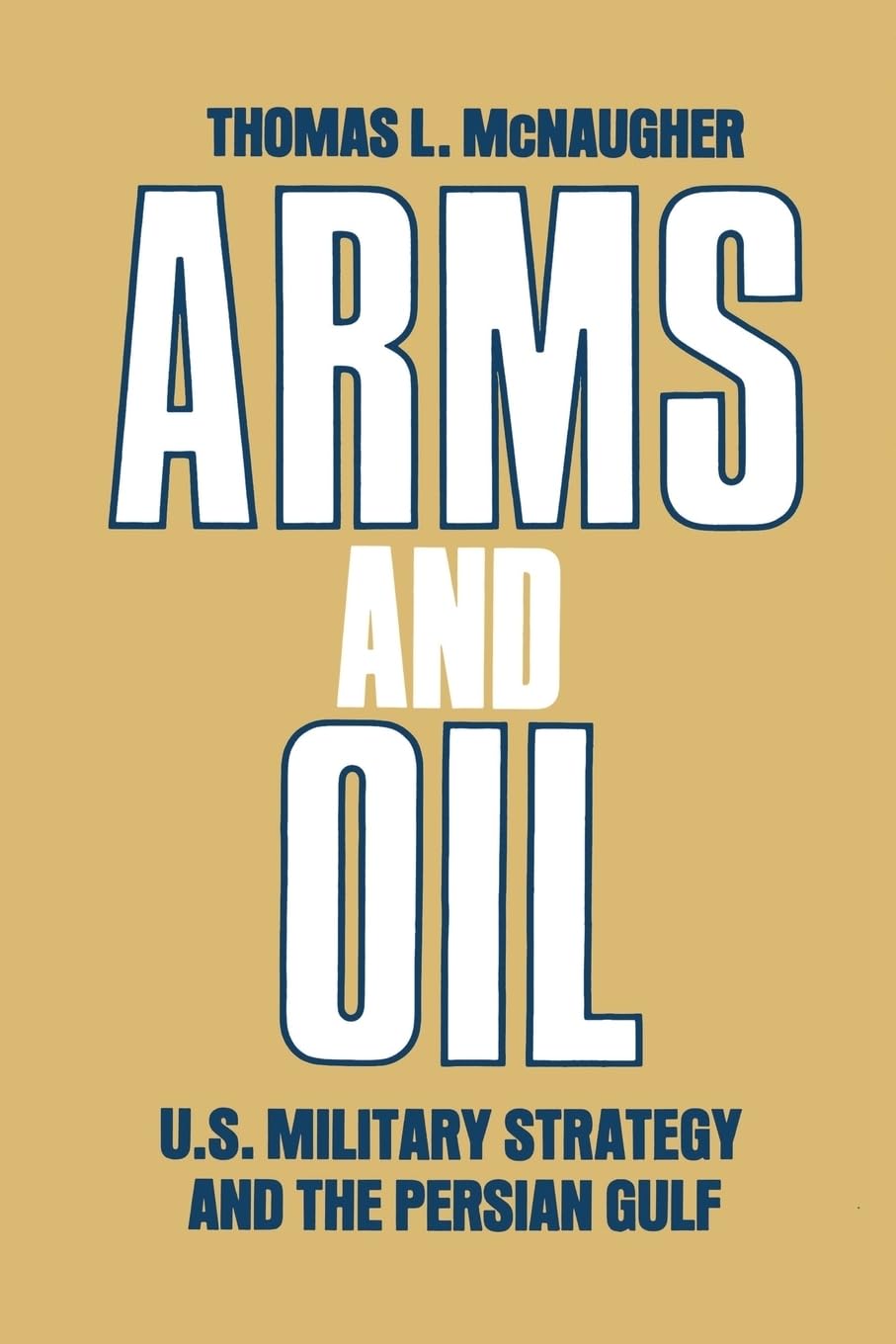
Arms And Oil: U.S. Military Strategy And The Persian Gulf,Used
Sold by Ergodebooks, an authorized reseller.
Returns accepted within 30 days | support@ergodebooks.com
Shipping Information
- Free Standard Shipping — United States only
- Processing Time: 3–5 business days
- Estimated Delivery: 6–10 business days after dispatch
- Double-boxed, fully insured & discreetly packaged
- Tracking number sent via email once dispatched
Returns & Refund
Returns accepted within 30 days of delivery.
Damaged or Defective Item
Free return shipping + replacement or full refund
Wrong Item Received
Free return shipping + replacement or full refund
Change of Mind
Return shipping at customer's expense · 25% restocking fee applies
Payment Option

In 1979, after a decade of enormous increases in the price of oil, U.S. influence in the oilrich Persian Gulf region declined sharply. Early in the year the Iranian revolution replaced the shah, the principal proAmerican leader in the region, with rulers hostile to the United States and to its remaining friends around the Gulf. In December Soviet troops moved into Afghanistan, bringing the Soviets closer to the Gulf and the Indian Ocean. In the United States these events spurred the announcement of the Carter Doctrine and the creation of a new military command to handle Gulf crises. Yet the United States established no new fighting forces, and U.S. friends around the Gulf proved less willing than the shah of Iran to host a U.S. military presence. Thus debate has continued about whether and how the United States can secure important interests in the Gulf region.In this book Thomas L. McNaugher offers a military strategy that integrates U.S. forces into the security framework that already exists in the region. He suggests that the United States should encourage Jordan, Pakistan, Great Britain, and others to continue their historical involvement in Gulf security, especially in such areas as internal security where U.S. forces are no better equipped than theirs and where U.S. participation may undermine the legitimacy of local rulers. In turn, the United States should focus on protecting the oilrich states of the Arabian peninsula from external attack and on deterring further Soviet encroachment in the region. These missions demand an increase in the agility, rather than the size, of U.S. forces. But the more important requirement, McNaugher argues, is for skillfully blending U.S. military strategy into a diplomacy that exploits, rather than needlessly upsets, regional security mechanisms.'
⚠️ WARNING (California Proposition 65):
This product may contain chemicals known to the State of California to cause cancer, birth defects, or other reproductive harm.
For more information, please visit www.P65Warnings.ca.gov.