
Title
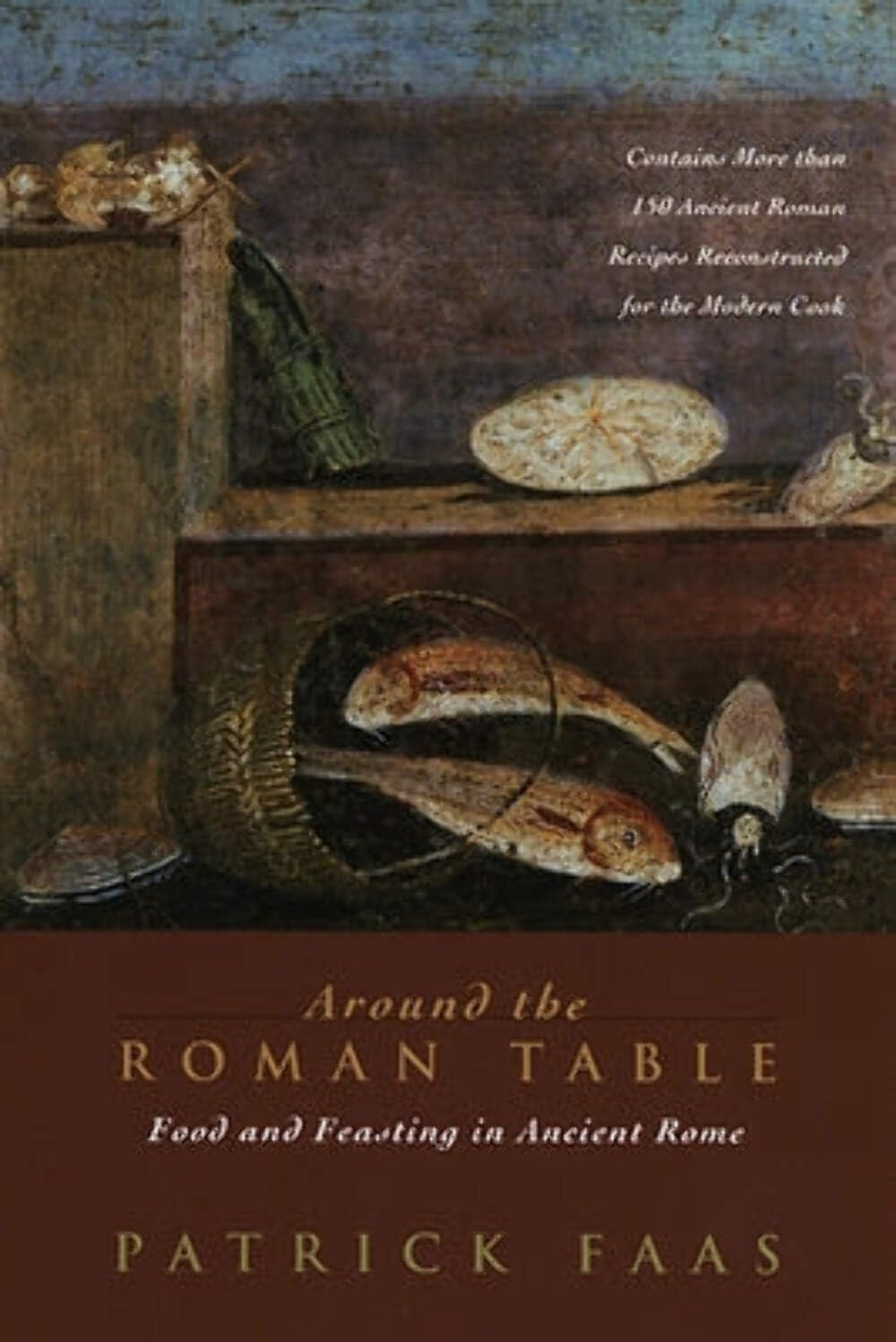
Around the Roman Table: Food and Feasting in Ancient Rome,Used
Sold by Ergodebooks, an authorized reseller.
Returns accepted within 30 days | support@ergodebooks.com
Shipping Information
- Free Standard Shipping — United States only
- Processing Time: 3–5 business days
- Estimated Delivery: 6–10 business days after dispatch
- Double-boxed, fully insured & discreetly packaged
- Tracking number sent via email once dispatched
Returns & Refund
Returns accepted within 30 days of delivery.
Damaged or Defective Item
Free return shipping + replacement or full refund
Wrong Item Received
Free return shipping + replacement or full refund
Change of Mind
Return shipping at customer's expense · 25% restocking fee applies
Payment Option

Craving dolphin meatballs? Can't find a reliable restaurant for boiled parrot? Have a hankering for jellyfish omelettes, sows' wombs in brine, sheep's brain pate, or stuffed mice? Look no further than Around the Roman Table, a unique hybrid cookbook and history lesson. A portrait of Roman society from the vantage point of the dining table, kitchen, and market stalls, Around the Roman Table offers both an account of Roman eating customs and 150 recipes reconstructed for the modern cook.Faas guides readers through the culinary conquests of Roman invasionsas conquerors pillaged foodstuffs from faraway landsto the decadence of Imperial Rome and its associated table manners, dining arrangements, spices, seasonings, and cooking techniques. With recipes for such appetizing dishes as chicken galantine with lambs' brains and fish relish, Around the Roman Table is ideal for food aficionados who wish to understand how the desire for power and conquest was manifested in Roman appetites.'There are many misconceptions about the food of ancient Rome that Faas sets out to correct. The result is half cookbook, half history book and is entirely fascinating to both chef and antiquarian alike.'Washington Times
⚠️ WARNING (California Proposition 65):
This product may contain chemicals known to the State of California to cause cancer, birth defects, or other reproductive harm.
For more information, please visit www.P65Warnings.ca.gov.
- Q: What is 'Around the Roman Table' about? A: 'Around the Roman Table' is a unique book that combines cookbook elements with a history lesson, focusing on Roman dining customs and offering 150 reconstructed recipes for modern cooks.
- Q: Who is the author of this book? A: The book is authored by Patrick Faas, who delves into the culinary traditions and history of ancient Rome.
- Q: How many pages does the book have? A: 'Around the Roman Table' contains a total of 384 pages.
- Q: What type of binding does this book have? A: This edition of 'Around the Roman Table' is published in paperback binding.
- Q: When was 'Around the Roman Table' published? A: 'Around the Roman Table' was published on April 1, 2005.
- Q: What types of recipes can I find in this book? A: The book features a variety of recipes, including unique dishes like chicken galantine with lamb's brains and fish relish, reflecting ancient Roman culinary practices.
- Q: Is this book suitable for both cooking enthusiasts and history buffs? A: Yes, 'Around the Roman Table' is ideal for both food aficionados and those interested in the history of Roman society.
- Q: Does this book contain any illustrations or images? A: The book primarily focuses on text and recipes, and while it does provide historical context, it may not contain extensive illustrations.
- Q: Are the recipes easy to follow for modern cooks? A: The recipes in 'Around the Roman Table' are reconstructed for modern cooks, making them accessible, though some may require specific ingredients to replicate the ancient dishes.
- Q: What makes 'Around the Roman Table' unique compared to other cookbooks? A: 'Around the Roman Table' stands out as it intertwines historical insights with culinary recipes, providing a deeper understanding of Roman culture through the lens of food.