
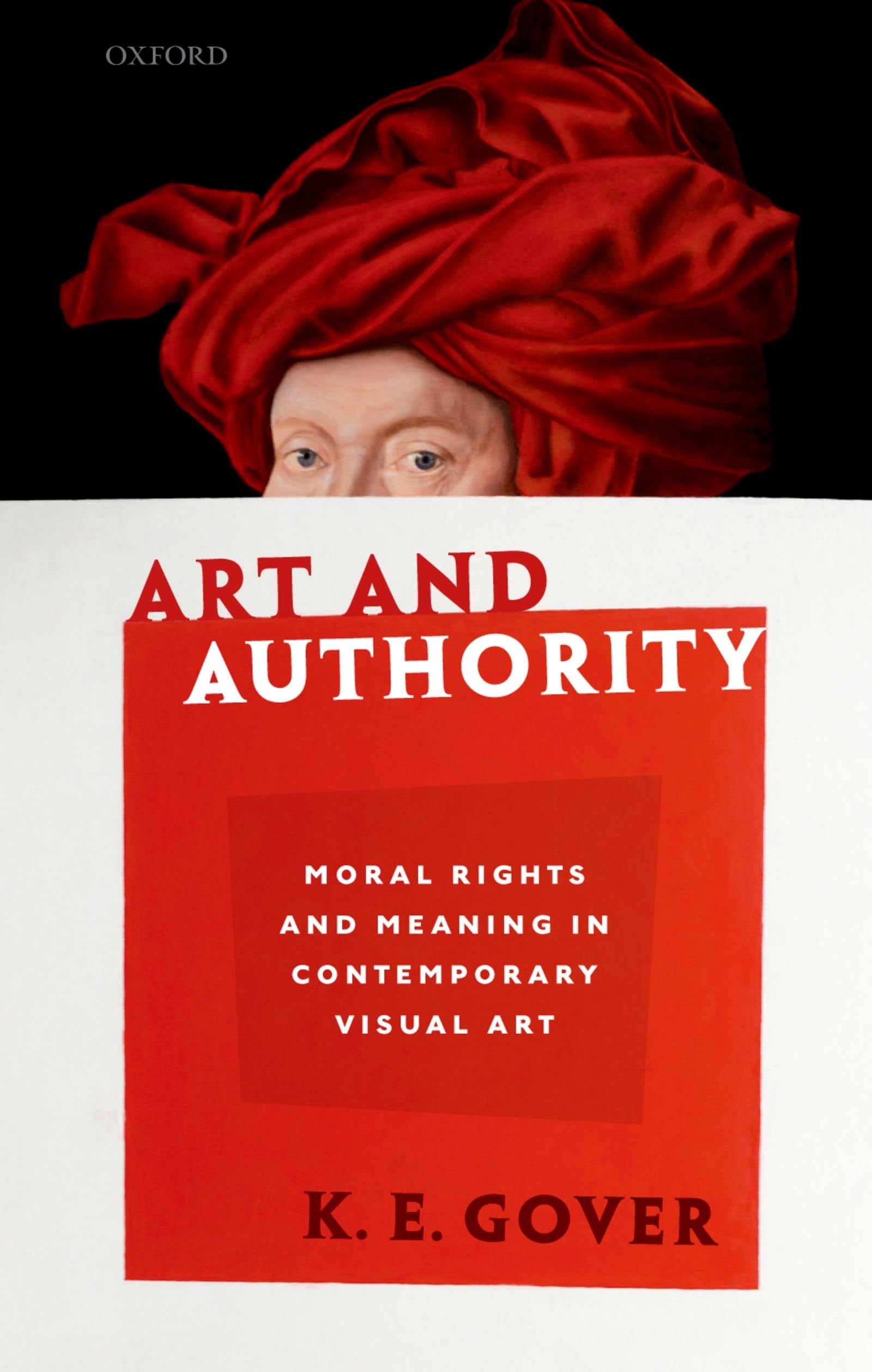
Title
Art and Authority: Moral Rights and Meaning in Contemporary Visual Art,Used
Sold by Ergodebooks, an authorized reseller.
Returns accepted within 30 days | support@ergodebooks.com
Shipping Information
- Free Standard Shipping — United States only
- Processing Time: 3–5 business days
- Estimated Delivery: 6–10 business days after dispatch
- Double-boxed, fully insured & discreetly packaged
- Tracking number sent via email once dispatched
Returns & Refund
Returns accepted within 30 days of delivery.
Damaged or Defective Item
Free return shipping + replacement or full refund
Wrong Item Received
Free return shipping + replacement or full refund
Change of Mind
Return shipping at customer's expense · 25% restocking fee applies
Payment Option

People engage with authored works all the time. They buy paintings, read books, download songs they may even be artists themselves. Very rarely, however, is the concept of authorship brought into question.The basic idea that the artist as an author maintains some kind of claim to his or her creation, even as it circulates in the world at large, seems natural. It is the basis for copyright law and moral rights legislation which protect the rights of authors. But what is an author, and why do artists receive special legal recognition and protection that the creators of other kinds of artefacts do not? It is often assumed that artists have a special bond with their artworks, but the nature of this bond and its function as the source of an artist's authority over their work often goes unquestioned.Art and Authority is a philosophical essay on artistic freedom: its sources, nature, and limits. Artistic freedom can mean different things depending on the context in which it is invoked. K. E. Gover argues that the most fundamental form of artistic freedom involves the artist's authority to accept or disavow the works that they produce and to curate the works that bear their name. Our very concept of what an artwork is the intentional expression of the artist, for its own sake depends on this secondorder endorsement by the artist of what they have made. Using realworld cases and controversies in contemporary visual art, Gover argues that the leading accounts of artistic authorship in the legal and philosophical literature have overlooked the significance of this moment.
⚠️ WARNING (California Proposition 65):
This product may contain chemicals known to the State of California to cause cancer, birth defects, or other reproductive harm.
For more information, please visit www.P65Warnings.ca.gov.