
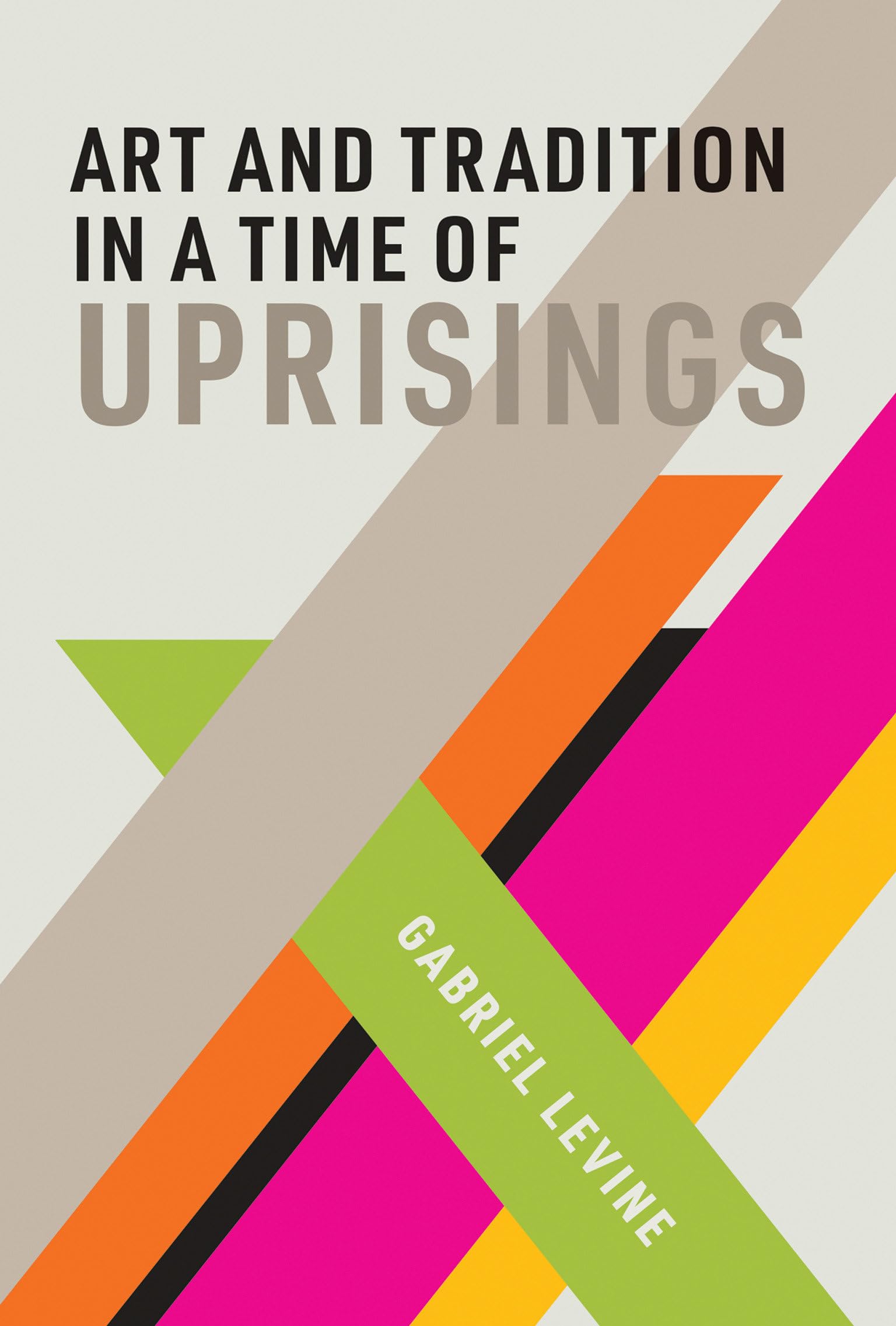
Title
Art and Tradition in a Time of Uprisings (Mit Press),Used
Sold by Ergodebooks, an authorized reseller.
Returns accepted within 30 days | support@ergodebooks.com
Shipping Information
- Free Standard Shipping — United States only
- Processing Time: 3–5 business days
- Estimated Delivery: 6–10 business days after dispatch
- Double-boxed, fully insured & discreetly packaged
- Tracking number sent via email once dispatched
Returns & Refund
Returns accepted within 30 days of delivery.
Damaged or Defective Item
Free return shipping + replacement or full refund
Wrong Item Received
Free return shipping + replacement or full refund
Change of Mind
Return shipping at customer's expense · 25% restocking fee applies
Payment Option

Examining radical reinventions of traditional practices, ranging from a queer reclamation of the Jewish festival of Purim to an Indigenous remixing of musical traditions.Supposedly outmoded modes of doing and makingfrom music and religious rituals to crafting and cookingare flourishing, both artistically and politically, in the digital age. In this book, Gabriel Levine examines collective projects that reclaim and reinvent tradition in contemporary North America, both within and beyond the frames of art. Levine argues that, in a time of political reaction and mass uprisings, the subversion of the traditional is galvanizing artists, activists, musicians, and people in everyday life. He shows that this takes place in strikingly different ways for Indigenous and nonIndigenous people in settler colonies. Paradoxically, experimenting with practices that have been abandoned or suppressed can offer powerful resources for creation and struggle in the present.Levine shows that, in projects that span the discontinuum of tradition, strange encounters take place across the lines of class, Indigeneity, race, and generations. These encounters spark alliance and appropriation, desire and misunderstanding, creative (mis)translation and radical revisionism. He describes the yearly Purim Extravaganza, which gathers queer, leftist, and Yiddishist New Yorkers in a profane reappropriation of the springtime Jewish festival; the Ottawabased Indigenous DJ collective A Tribe Called Red, who combine traditional powwow drumming and singing with electronic dance music; and the revival of home fermentation practicesconsidering it from microbiological, philosophical, aesthetic, and political angles.Projects that take back the vernacular in this way, Levine argues, not only develop innovative forms of practice for a time of uprisings; they can also work toward collectively reclaiming, remaking, and repairing a damaged world.
⚠️ WARNING (California Proposition 65):
This product may contain chemicals known to the State of California to cause cancer, birth defects, or other reproductive harm.
For more information, please visit www.P65Warnings.ca.gov.
- Q: How many pages are in the book 'Art and Tradition in a Time of Uprisings'? A: There are three hundred fifty-two pages in the book. This provides an in-depth exploration of the themes discussed by the author.
- Q: What are the dimensions of 'Art and Tradition in a Time of Uprisings'? A: The book measures six point thirty-one inches in length, zero point ninety-five inches in width, and nine point twenty-five inches in height. These dimensions make it easy to handle and store.
- Q: What type of binding does this book have? A: This book is bound in hardcover. Hardcover bindings are typically more durable and offer better protection for the pages.
- Q: Who is the author of 'Art and Tradition in a Time of Uprisings'? A: The author is Gabriel Levine. His work focuses on the intersection of tradition and contemporary practices.
- Q: What is the genre of 'Art and Tradition in a Time of Uprisings'? A: The book falls under the History category. It examines cultural practices and their evolution in modern contexts.
- Q: What themes are explored in this book? A: The book explores themes of radical reinvention, cultural reclamation, and the intersection of art and activism. It delves into how traditions are reinterpreted today.
- Q: How can I benefit from reading this book? A: Reading this book can deepen your understanding of cultural practices and their relevance in contemporary society. It provides insights into the reclaiming of tradition in today's political climate.
- Q: Is this book suitable for academic study? A: Yes, this book is suitable for academic study. It presents well-researched arguments and case studies relevant to cultural studies and history.
- Q: What age group is this book appropriate for? A: This book is appropriate for adult readers. It discusses complex themes that are best suited for a mature audience.
- Q: How should I care for this hardcover book? A: To care for this hardcover book, keep it in a dry place and avoid exposing it to direct sunlight. This will help preserve its condition.
- Q: Can I store this book on a shelf with other books? A: Yes, you can store this book on a shelf with other books. Ensure it is upright to prevent damage to the spine.
- Q: What should I do if my book arrives damaged? A: If your book arrives damaged, contact the retailer immediately for a return or exchange. Most retailers have policies in place for such situations.
- Q: Is there a warranty for this book? A: No, books typically do not come with a warranty. However, you can check the return policy of the retailer.
- Q: What if I have a question about the content of the book? A: If you have questions about the content, consider reaching out to book clubs or online forums that discuss similar themes. Engaging with others can enhance your understanding.
- Q: How does this book compare to other historical texts? A: This book offers a unique perspective by focusing on the intersection of tradition and contemporary issues, setting it apart from more conventional historical texts.
- Q: Is this book suitable for someone interested in Indigenous cultures? A: Yes, this book is particularly suitable for readers interested in Indigenous cultures as it discusses their revival and reinterpretation of traditions.