
Title
Art in the Time of Colony (Empire and the Making of the Modern World, 16502000),Used
Sold by Ergodebooks, an authorized reseller.
Returns accepted within 30 days | support@ergodebooks.com
Shipping Information
- Free Standard Shipping — United States only
- Processing Time: 3–5 business days
- Estimated Delivery: 6–10 business days after dispatch
- Double-boxed, fully insured & discreetly packaged
- Tracking number sent via email once dispatched
Returns & Refund
Returns accepted within 30 days of delivery.
Damaged or Defective Item
Free return shipping + replacement or full refund
Wrong Item Received
Free return shipping + replacement or full refund
Change of Mind
Return shipping at customer's expense · 25% restocking fee applies
Payment Option

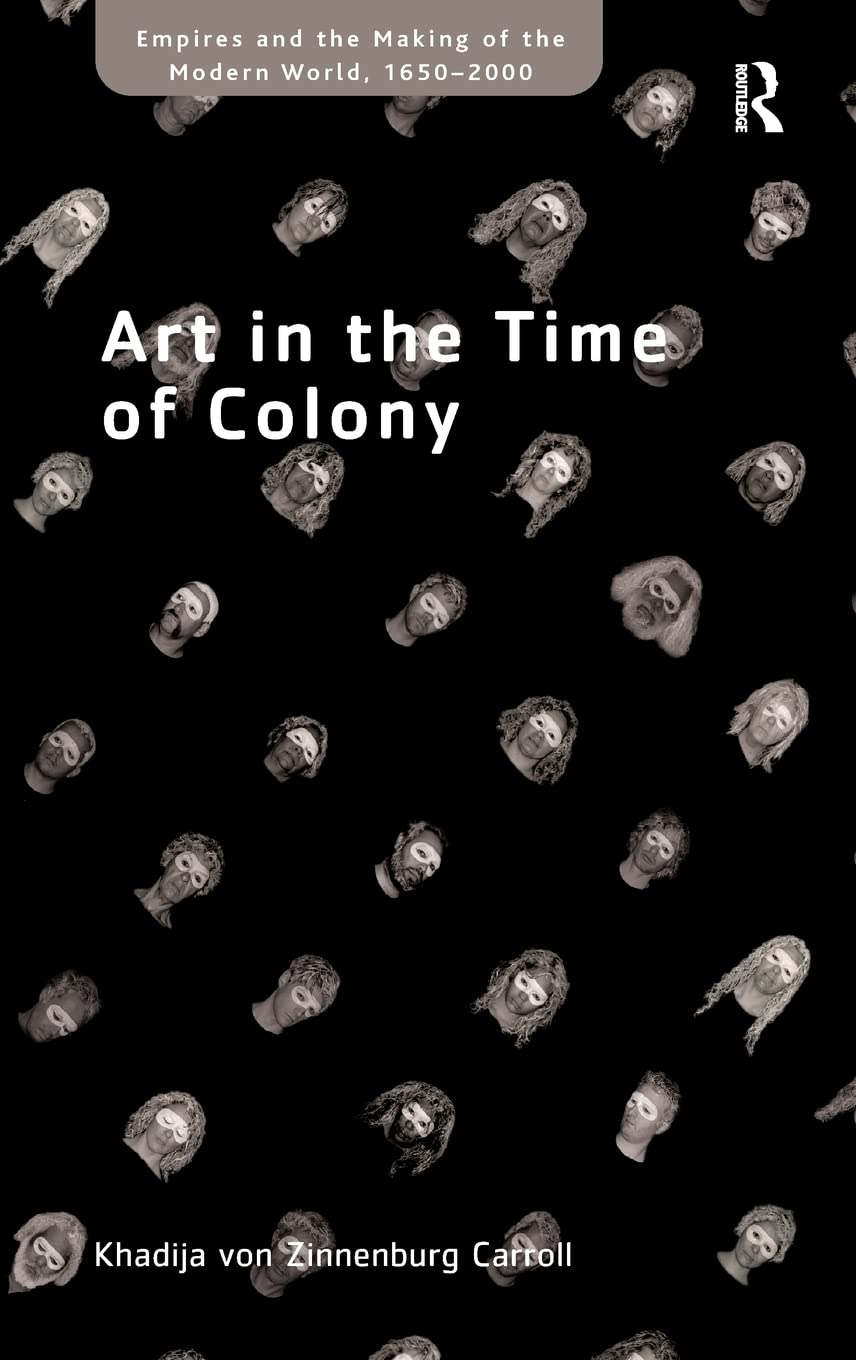
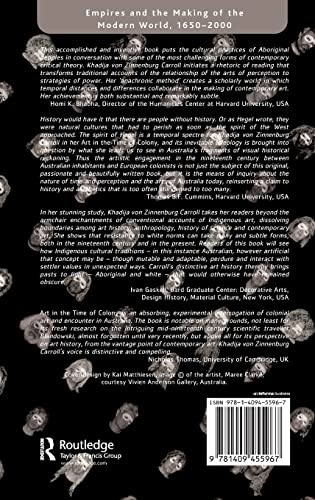
It is often assumed that the verbal and visual languages of Indigenous people had little influence upon the classification of scientific, legal, and artistic objects in the metropolises and museums of nineteenthcentury colonial powers. However colonized locals did more than merely collect material for interested colonizers. In developing the concept of anachronism for the analysis of colonial material this book writes the complex biographies for five key objects that exemplify, embody, and refract the tensions of nineteenthcentury history. Through an analysis of particular language notations and drawings hidden in colonial documents and a reexamination of crosscultural communication, the book writes biographies for five objects that exemplify the tensions of nineteenthcentury history. The author also draws on fieldwork done in communities today, such as the group of Koorie women whose reenactments of tradition illustrate the first chapters potted history of indigenous mediums and debates. The second case study explores British colonial history through the biography of the proclamation boards produced under George Arthur (17841854), Governor of British Honduras, Tasmania, British Columbia, and India. The third case study looks at the maps of the German explorer of indigenous taxonomy Wilhelm von Blandowski (18221878), and the fourth looks at a multiauthored encyclopaedia in which Blandowski had taken into account indigenous knowledge such as that in the work of KwatKwat artist Yakaduna, whose hundreds of drawings (18621901) are the material basis for the fifth and final case study. Through these three characters histories Art in the Time of Colony demonstrates the political importance of material culture by using objects to revisit the muchcontested nineteenthcentury colonial period, in which the colonial nations as a cultural and legalpolitical system were brought into being.
⚠️ WARNING (California Proposition 65):
This product may contain chemicals known to the State of California to cause cancer, birth defects, or other reproductive harm.
For more information, please visit www.P65Warnings.ca.gov.