If you have any questions, you are always welcome to contact us. We'll get back to you as soon as possible, withing 24 hours on weekdays.
Customer service
All questions about your order, return and delivery must be sent to our customer service team by e-mail at yourstore@yourdomain.com
Sale & Press
If you are interested in selling our products, need more information about our brand or wish to make a collaboration, please contact us at press@yourdomain.com
Help
If you have any questions, you are always welcome to contact us. We'll get back to you as soon as possible, withing 24 hours on weekdays.
Customer service
All questions about your order, return and delivery must be sent to our customer service team by e-mail at yourstore@yourdomain.com
Sale & Press
If you are interested in selling our products, need more information about our brand or wish to make a collaboration, please contact us at press@yourdomain.com
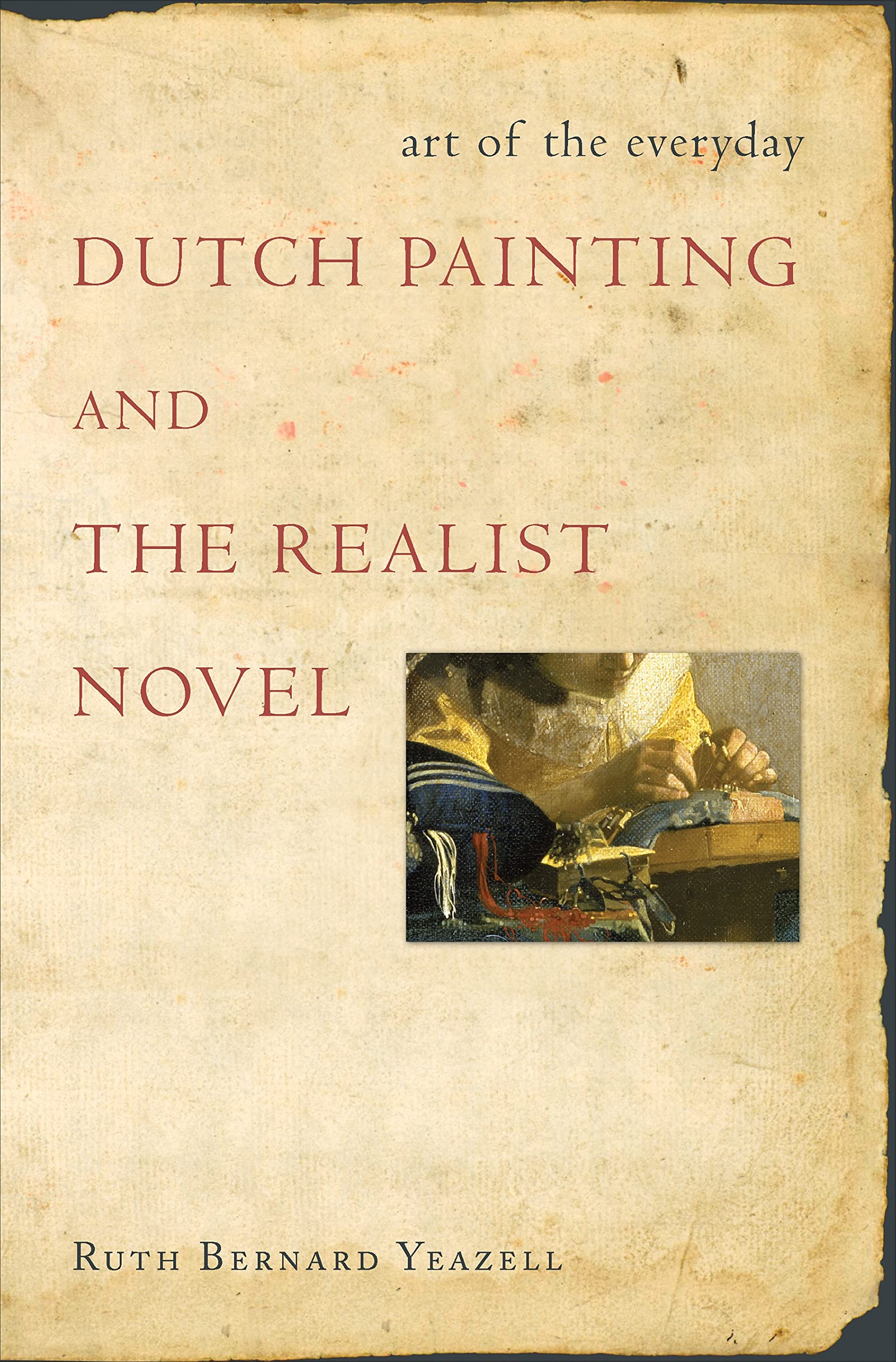
Realist novels are celebrated for their detailed attention to ordinary life. But two hundred years before the rise of literary realism, Dutch painters had already made an art of the everydaypictures that served as a compelling model for the novelists who followed. By the mid1800s, seventeenthcentury Dutch painting figured virtually everywhere in the British and French fiction we esteem today as the vanguard of realism. Why were such writers drawn to this art of two centuries before? What does this tell us about the nature of realism?In this beautifully illustrated and elegantly written book, Ruth Yeazell explores the nineteenth century's fascination with Dutch painting, as well as its doubts about an art that had long challenged traditional values.After showing how persistent tensions between high theory and low genre shaped criticism of novels and pictures alike, Art of the Everyday turns to four major novelistsHonor de Balzac, George Eliot, Thomas Hardy, and Marcel Proustwho strongly identified their work with Dutch painting. For all these writers, Dutch art provided a model for training themselves to look closely at the particulars of middleclass life.Yet even as nineteenthcentury novelists strove to create illusions of the real by modeling their narratives on Dutch pictures, Yeazell argues, they chafed at the model. A concluding chapter on Proust explains why the nineteenth century associated such realism with the past and shows how the rediscovery of Vermeer helped resolve the longstanding conflict between humble details and the aspirations of high art.
⚠️ WARNING (California Proposition 65):
This product may contain chemicals known to the State of California to cause cancer,
birth defects, or other reproductive harm.
For MAP (Minimum Advertised Price) violations and Intellectual Property (IP) or Trademark concerns, please contact:
support@ergodebooks.com
⚠️ California Proposition 65 Warning: Some products sold on this website may expose you to chemicals known to the State of California to cause cancer, birth defects, or other reproductive harm. For more information, visit www.P65Warnings.ca.gov.