
Title
Art Work: Women Artists And Democracy In Midnineteenthcentury New York (The Arts And Intellectual Life In Modern America),New
Sold by Ergodebooks, an authorized reseller.
Returns accepted within 30 days | support@ergodebooks.com
Shipping Information
- Free Standard Shipping — United States only
- Processing Time: 3–5 business days
- Estimated Delivery: 6–10 business days after dispatch
- Double-boxed, fully insured & discreetly packaged
- Tracking number sent via email once dispatched
Returns & Refund
Returns accepted within 30 days of delivery.
Damaged or Defective Item
Free return shipping + replacement or full refund
Wrong Item Received
Free return shipping + replacement or full refund
Change of Mind
Return shipping at customer's expense · 25% restocking fee applies
Payment Option

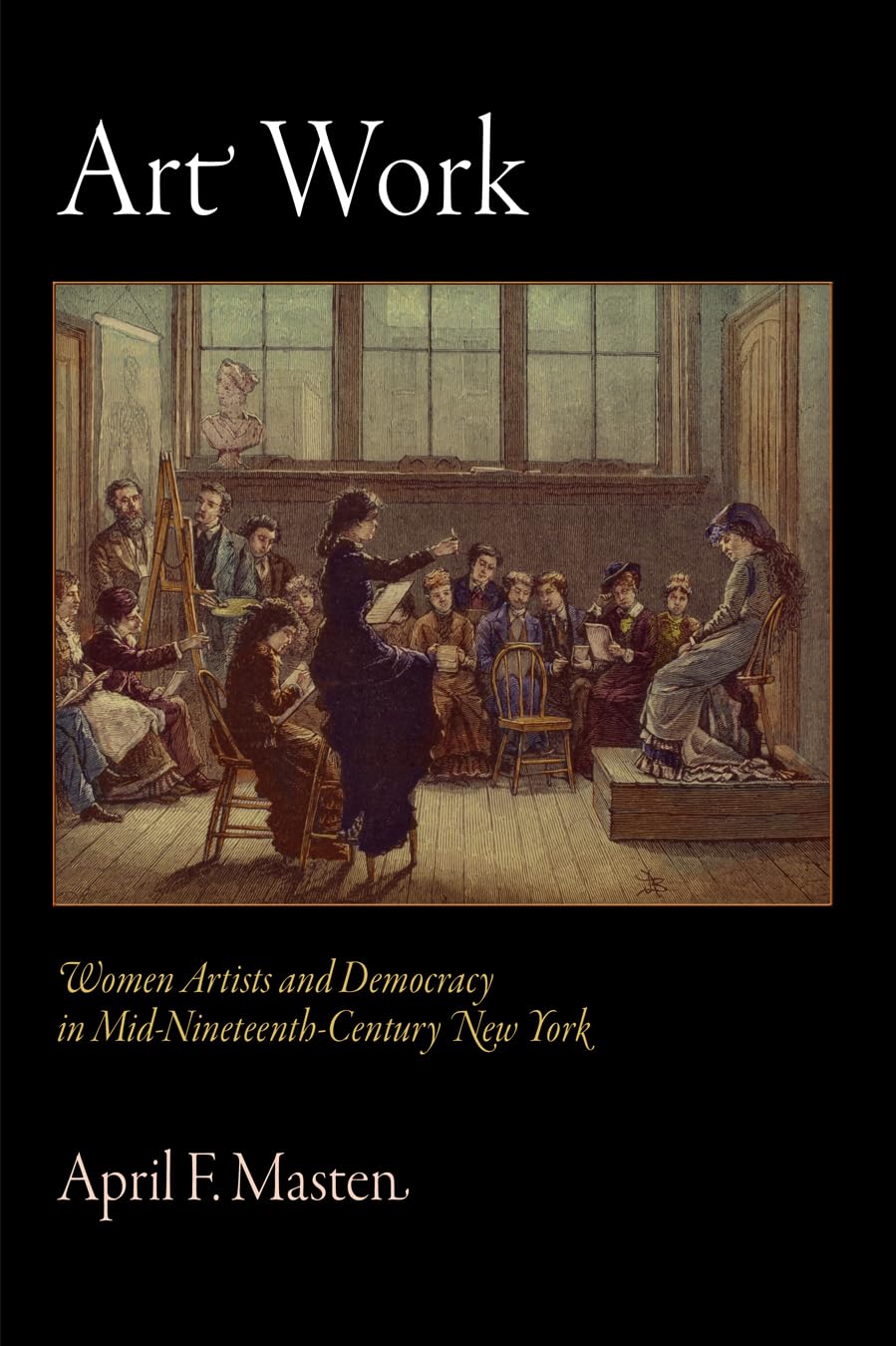
I Was In High Spirits All Through My Unwise Teens, Considerably Puffed Up, After My Drawings Began To Sell, With That Pride Of Independence Which Was A New Thing To Daughters Of That Period.'The Reminiscences Of Mary Hallock Footemary Hallock Made What Seems Like An Audacious Move For A Nineteenthcentury Young Woman. She Became An Artist. She Was Not Alone. Forced To Become Selfsupporting By Financial Panics And Civil War, Thousands Of Young Women Moved To New York City Between 1850 And 1880 To Pursue Careers As Professional Artists. Many Of Them Trained With Masters At The Cooper Union School Of Design For Women, Where They Were Imbued With The Unity Of Art Ideal, An Aesthetic Ideology That Made No Distinction Between Fine And Applied Arts Or Male And Female Abilities. These Women Became Painters, Designers, Illustrators, Engravers, Colorists, And Art Teachers. They Were Encouraged By Some Of The Era'S Bestknown Figures, Among Them Tribune Editor Horace Greeley And Mechanic/Philanthropist Peter Cooper, Who Blamed The Poverty And Dependence Of Both Women And Workers On The Separation Of Mental And Manual Labor In Industrial Society. The Most Acclaimed Artists Among Them Owed Their Success To New York'S Conspicuously Egalitarian Art Institutions And The Rise Of The Illustrated Press. Yet Within A Generation Their Names, Accomplishments, And The Aesthetic Ideal That Guided Them Virtually Disappeared From The History Of American Art.Art Work: Women Artists And Democracy In Midnineteenthcentury New York Recaptures The Unfamiliar Cultural Landscape In Which Spirited Young Women, Daring Social Reformers, And Radical Artisans Succeeded In Reuniting Art And Industry. In This Interdisciplinary Study, April F. Masten Situates The Aspirations And Experience Of These Forgotten Women Artists, And The Value Of Art Work Itself, At The Heart Of The Capitalist Transformation Of American Society.
⚠️ WARNING (California Proposition 65):
This product may contain chemicals known to the State of California to cause cancer, birth defects, or other reproductive harm.
For more information, please visit www.P65Warnings.ca.gov.
- Q: What is the size of this book? A: The book measures six point seventy-five inches in length, one point twenty-six inches in width, and ten inches in height.
- Q: How many pages does the book have? A: This book contains three hundred twenty-eight pages, providing a comprehensive exploration of women artists in mid-nineteenth-century New York.
- Q: What is the binding type of this book? A: The book is bound in hardcover, ensuring durability and a premium feel for readers.
- Q: Who is the author of this book? A: The author is April F. Masten, who focuses on the contributions of women artists in American history.
- Q: What genre does this book belong to? A: This book falls under the Criticism category, specifically exploring art and feminist themes.
- Q: How do I use this book for research? A: You can use this book as a resource for understanding the historical context of women in the arts during the mid-nineteenth century.
- Q: Is this book suitable for academic use? A: Yes, this book is suitable for academic use, especially for studies in art history, women's studies, and American history.
- Q: What age group is this book appropriate for? A: This book is primarily aimed at adults and college students interested in art history and social reform.
- Q: Can I use this book for a class project? A: Yes, you can use this book for a class project, particularly for topics related to feminism, art, and history.
- Q: How should I store this book? A: Store this book in a cool, dry place, upright on a shelf to prevent the binding from warping.
- Q: How do I keep this book in good condition? A: To keep this book in good condition, avoid exposing it to direct sunlight and handle it with clean hands.
- Q: Is there a warranty or return policy for the book? A: Yes, most retailers offer a return policy, so check with the seller for specific terms and conditions.
- Q: What if the book arrives damaged? A: If the book arrives damaged, contact the seller immediately to arrange for a replacement or refund.
- Q: Are there any notable features of this book? A: This book is a used book in good condition, which may include highlights or notes from previous readers.
- Q: How does this book compare to others in its genre? A: This book offers a unique perspective on women artists that is often overlooked in traditional art history texts.
- Q: What themes does the book explore? A: The book explores themes of democracy, feminism, and the intersection of art and industry in American society.