
Title
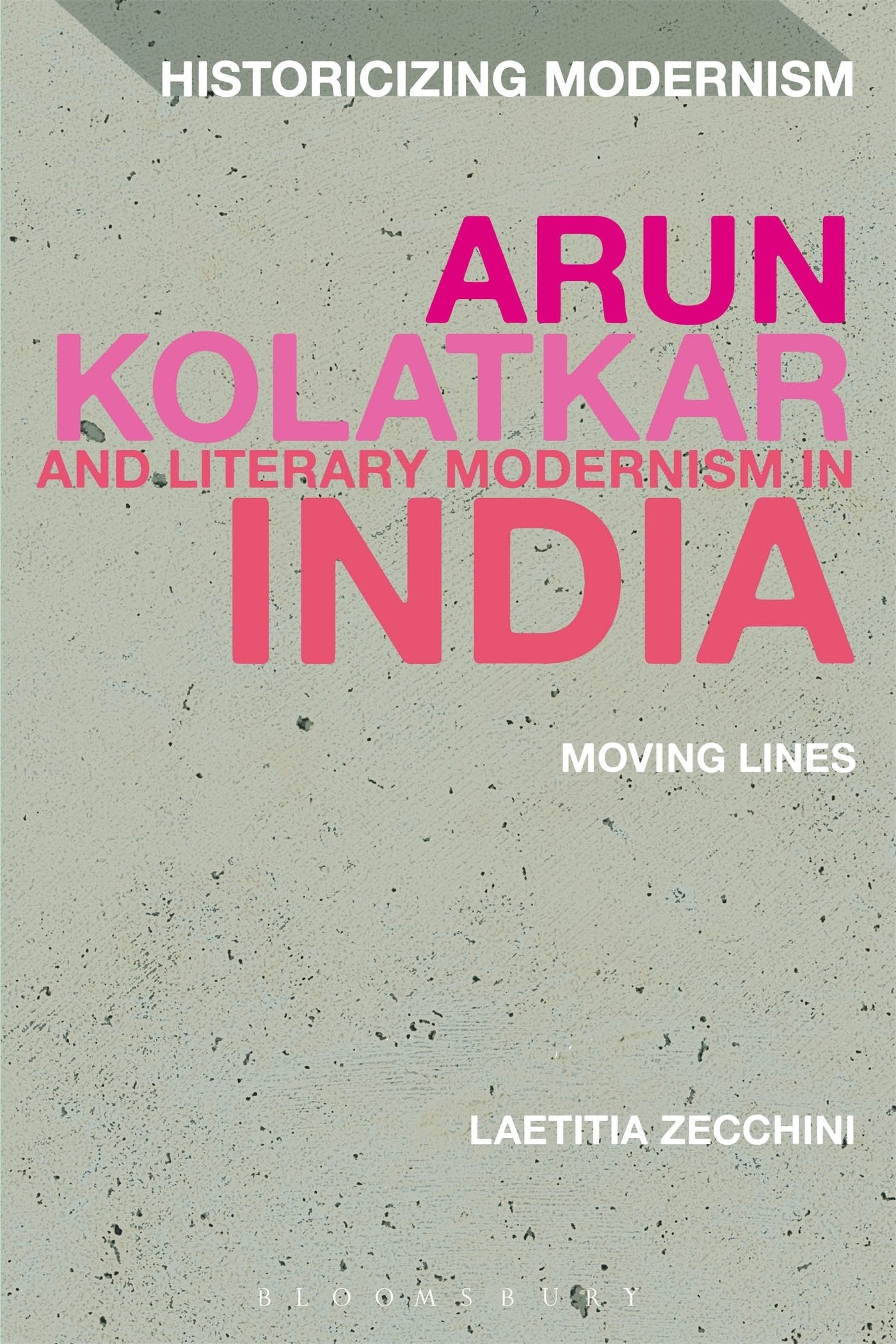
Arun Kolatkar and Literary Modernism in India: Moving Lines (Historicizing Modernism),Used
Sold by Ergodebooks, an authorized reseller.
Returns accepted within 30 days | support@ergodebooks.com
Shipping Information
- Free Standard Shipping — United States only
- Processing Time: 3–5 business days
- Estimated Delivery: 6–10 business days after dispatch
- Double-boxed, fully insured & discreetly packaged
- Tracking number sent via email once dispatched
Returns & Refund
Returns accepted within 30 days of delivery.
Damaged or Defective Item
Free return shipping + replacement or full refund
Wrong Item Received
Free return shipping + replacement or full refund
Change of Mind
Return shipping at customer's expense · 25% restocking fee applies
Payment Option

In this first scholarly work on India's great modern poet, Laetitia Zecchini outlines a story of literary modernism in India and discusses the traditions, figures and events that inspired and defined Arun Kolatkar. Based on an impressive range of archival and unpublished material, this book also aims at moving lines of accepted genealogies of modernism and 'postcolonial literature'.Zecchini uncovers how poets of Kolatkar's generation became modern Indian writers while tracing a lineage to medieval oral traditions. She considers how literary bilingualism allowed Kolatkar to blur the boundaries between Marathi and English, 'Indian' and 'Western sources; how he used his outsider position to privilege the quotidian and minor and revived the spirit of popular devotion.Graphic artist, poet and songwriter, storyteller of Bombay and world history, poet in Marathi, in English and in 'Americanese', noncommittal and deeply political, Kolatkar made lines wobble and treasured impermanence. Steeped in world literature, in European avantgarde poetry, American pop and folk culture, in a 'little magazine' Bombay bohemia and a specific Marathi ethos, Kolatkar makes for a fascinating subject to explore and explain the story of modernism in India.This book has received support from the labex TransferS: http://transfers.ens.fr/
⚠️ WARNING (California Proposition 65):
This product may contain chemicals known to the State of California to cause cancer, birth defects, or other reproductive harm.
For more information, please visit www.P65Warnings.ca.gov.
- Q: What is the main focus of 'Arun Kolatkar and Literary Modernism in India: Moving Lines'? A: The book focuses on the life and work of Arun Kolatkar, a significant modern poet in India, exploring his contributions to literary modernism and the influences that shaped his writing.
- Q: Who is the author of this book? A: The author of the book is Laetitia Zecchini, who provides a scholarly analysis of Kolatkar's literature and its context in modern Indian poetry.
- Q: How does the book address the concept of literary bilingualism? A: The book examines how Kolatkar's use of both Marathi and English allows him to blend cultural influences, thereby blurring the lines between 'Indian' and 'Western' literary traditions.
- Q: What themes are explored in the book? A: Key themes include the intersection of modernity and tradition, the role of oral traditions in shaping literature, and the representation of everyday life in Kolatkar's poetry.
- Q: Is there any archival material included in the book? A: Yes, the book is based on a wide range of archival and unpublished material that supports its analysis of Kolatkar's work and the literary environment of his time.
- Q: What is the significance of Kolatkar's outsider position in his writing? A: Kolakar's outsider status enabled him to emphasize ordinary experiences and the nuances of cultural identity, enriching his poetry with diverse perspectives.
- Q: When was 'Arun Kolatkar and Literary Modernism in India: Moving Lines' published? A: The book was published on February 25, 2016.
- Q: What type of book binding is used for this title? A: The book is available in a paperback binding.
- Q: How many pages does this book contain? A: The book contains a total of 248 pages.
- Q: In which category is this book classified? A: This book is classified under the category of Criticism & Theory.