
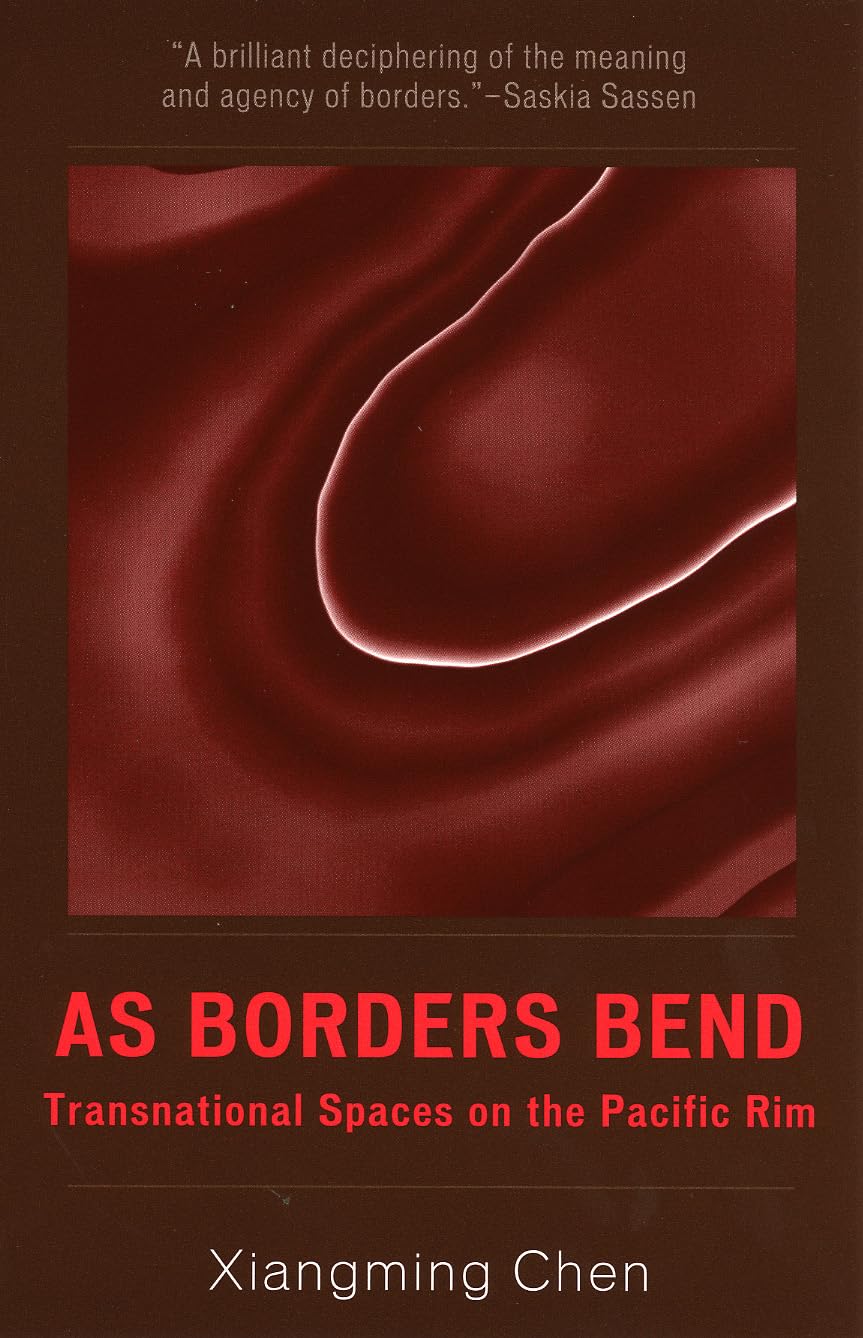
Title
As Borders Bend: Transnational Spaces on the Pacific Rim (Pacific Formations: Global Relations in Asian and Pacific Perspectives,New
Sold by Ergodebooks, an authorized reseller.
Returns accepted within 30 days | support@ergodebooks.com
Shipping Information
- Free Standard Shipping — United States only
- Processing Time: 3–5 business days
- Estimated Delivery: 6–10 business days after dispatch
- Double-boxed, fully insured & discreetly packaged
- Tracking number sent via email once dispatched
Returns & Refund
Returns accepted within 30 days of delivery.
Damaged or Defective Item
Free return shipping + replacement or full refund
Wrong Item Received
Free return shipping + replacement or full refund
Change of Mind
Return shipping at customer's expense · 25% restocking fee applies
Payment Option

As do other mighty forces such as wars, nationalist aspirations, and the shifting courses of great rivers, globalization changes the world's borders by bending them out of shape and creating new transnational spaces. State political boundaries no longer draw the definitive line in people's lives they once did. Borders continue to contain selfdescribed national populations and national activities, but the penetration of economic globalization via growing crossborder trade, investment, and resurgence of myriad regional ethnic groups is pushing and stretching the limits of borders into both interactive spaces and contested terrains. Indeed, new power centers with their own identities are springing out of once politically trivial and economically marginal landscapes. While the terrorist attacks of 2001 and the SARS outbreak of 2003 prompted states to tighten border controls, their efforts amount to only a temporary reversal of a powerful longterm trend toward more open borders and the interactive transnational spaces that openness fosters.This innovative book examines the complexities of debordering and rebordering through a structured comparison of seven transborder subregions along the western Pacific Rim and an extended comparative analysis of the U.S.Mexico border and several European border regions. Xiangming Chen offers a synthetic explanation for the complex and diverse processes and outcomes of economic growth, social transformation, infrastructure development, and urban landscapes in the new transnational spaces around the porous and mutated borders on the Pacific Rim and beyond.
⚠️ WARNING (California Proposition 65):
This product may contain chemicals known to the State of California to cause cancer, birth defects, or other reproductive harm.
For more information, please visit www.P65Warnings.ca.gov.