If you have any questions, you are always welcome to contact us. We'll get back to you as soon as possible, withing 24 hours on weekdays.
Customer service
All questions about your order, return and delivery must be sent to our customer service team by e-mail at yourstore@yourdomain.com
Sale & Press
If you are interested in selling our products, need more information about our brand or wish to make a collaboration, please contact us at press@yourdomain.com
Help
If you have any questions, you are always welcome to contact us. We'll get back to you as soon as possible, withing 24 hours on weekdays.
Customer service
All questions about your order, return and delivery must be sent to our customer service team by e-mail at yourstore@yourdomain.com
Sale & Press
If you are interested in selling our products, need more information about our brand or wish to make a collaboration, please contact us at press@yourdomain.com
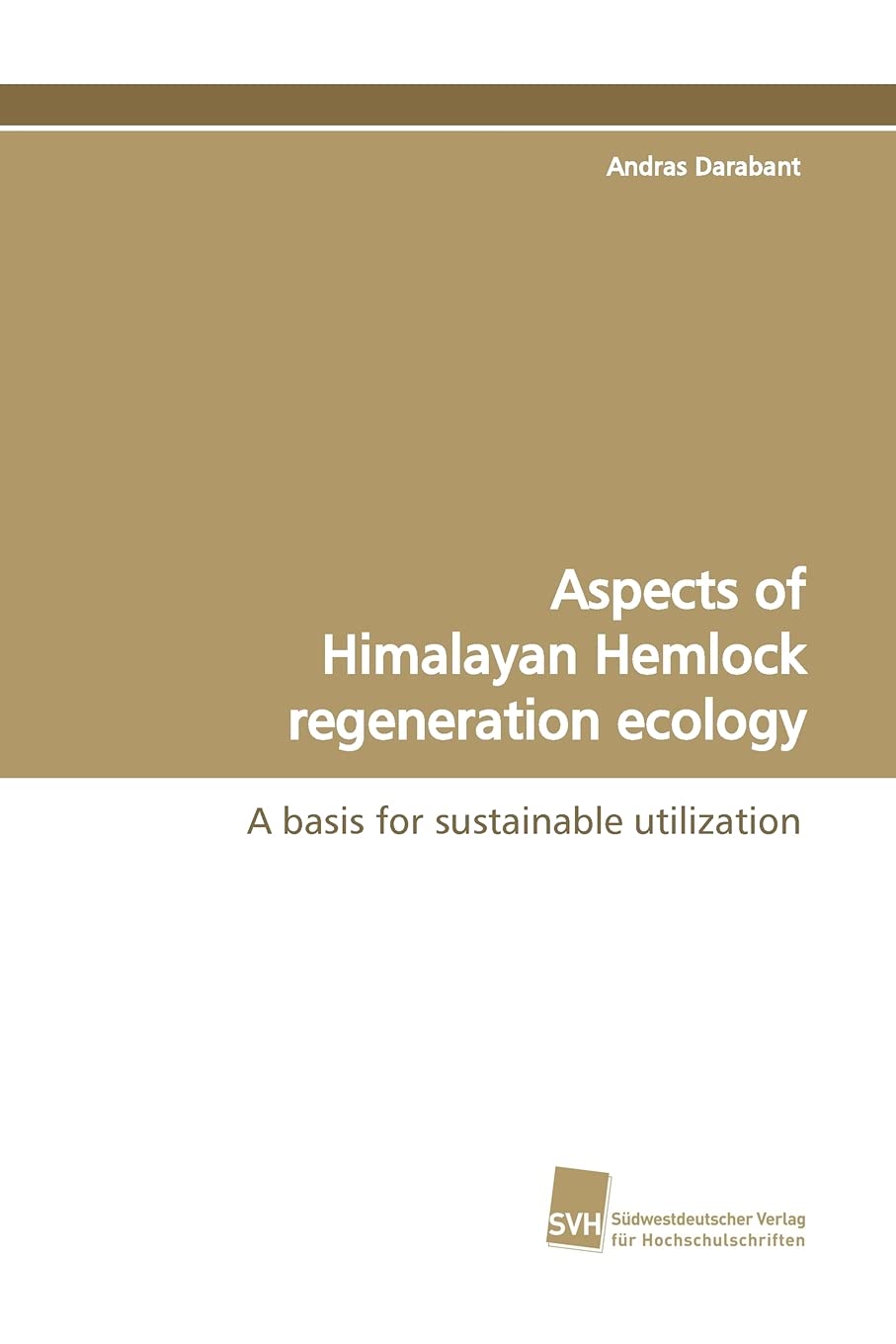
Regeneration ecology of Himalayan Hemlock (Tsuga dumosa) dominated conifer forests in Bhutan is little understood and poses silvicultural challenges. Smallseeded hemlock and East Himalayan Spruce (Picea spinulosa) are restricted to decomposed nurse logs and moss pads. Both species avoid other forest floor microsites, especially bamboo litter. Largerseeded Himalayan Silver Fir (Abies densa) and Blue Pine (Pinus wallichiana) are able to regenerate on a wider range of substrates, but not on bamboo litter. Under competition by the palatable bamboo Yushania microphylla in gaps, cattle grazing facilitates conifer regeneration, likely through increased light on the ground and the availability of suitable substrates. Large silvicultural openings do not support high tree seedling densities, where shading by understory vegetation facilitates hemlock regeneration. Smaller openings should be created to maintain microclimatic conditions necessary for mosses and large size logs and snags should be retained as nurse logs for regeneration of hemlock and spruce. In openings dominated by palatable bamboos, vegetation should be managed through moderate cattle grazing.
⚠️ WARNING (California Proposition 65):
This product may contain chemicals known to the State of California to cause cancer,
birth defects, or other reproductive harm.
For MAP (Minimum Advertised Price) violations and Intellectual Property (IP) or Trademark concerns, please contact:
support@ergodebooks.com
⚠️ California Proposition 65 Warning: Some products sold on this website may expose you to chemicals known to the State of California to cause cancer, birth defects, or other reproductive harm. For more information, visit www.P65Warnings.ca.gov.