
Title
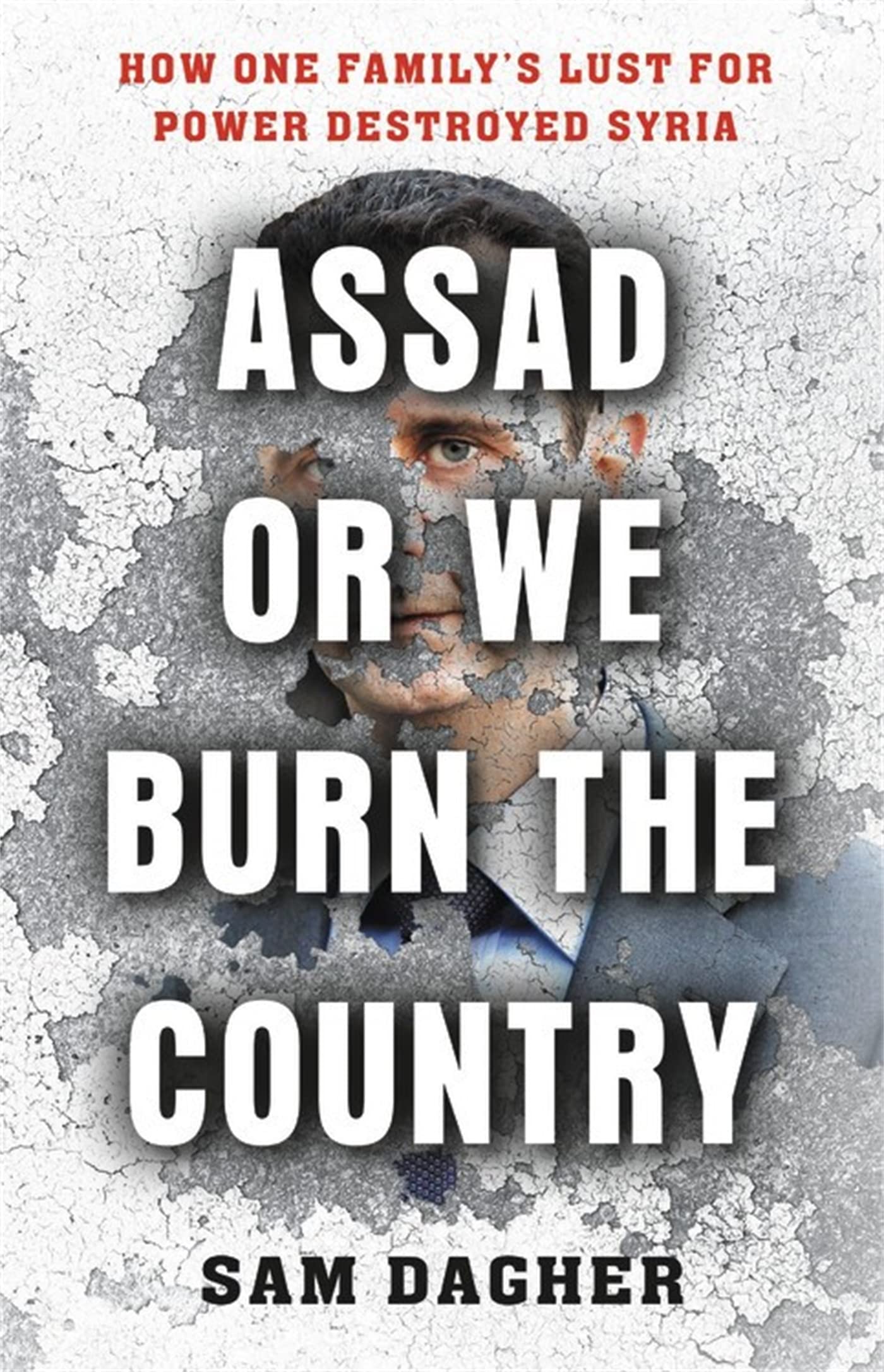
Assad or We Burn the Country: How One Family's Lust for Power Destroyed Syria,Used
Sold by Ergodebooks, an authorized reseller.
Returns accepted within 30 days | support@ergodebooks.com
Shipping Information
- Free Standard Shipping — United States only
- Processing Time: 3–5 business days
- Estimated Delivery: 6–10 business days after dispatch
- Double-boxed, fully insured & discreetly packaged
- Tracking number sent via email once dispatched
Returns & Refund
Returns accepted within 30 days of delivery.
Damaged or Defective Item
Free return shipping + replacement or full refund
Wrong Item Received
Free return shipping + replacement or full refund
Change of Mind
Return shipping at customer's expense · 25% restocking fee applies
Payment Option

From a Pulitzer Prizenominated journalist specializing in the Middle East, this groundbreaking account of the Syrian Civil War reveals the neverbeforepublished true story of a 21stcentury humanitarian disaster.In spring 2011, Syrian President Bashar alAssad turned to his friend and army commander, Manaf Tlass, for advice about how to respond to Arab Springinspired protests. Tlass pushed for conciliation but Assad decided to crush the uprising an act which would catapult the country into an eightyear long war, killing almost half a million and fueling terrorism and a global refugee crisis.Assad or We Burn the Country examines Syria's tragedy through the generational saga of the Assad and Tlass families, once deeply intertwined and now estranged in Bashar's bloody quest to preserve his father's inheritance. By drawing on his own reporting experience in Damascus and exclusive interviews with Tlass, Dagher takes readers within palace walls to reveal the family behind the destruction of a country and the chaos of an entire region.Dagher shows how one of the world's most vicious police states came to be and explains how a regional conflict extended globally, engulfing the Middle East and pitting the United States and Russia against one another. Timely, propulsive, and expertly reported, Assad or We Burn the Country is the definitive account of this global crisis, going far beyond the news story that has dominated headlines for years.
⚠️ WARNING (California Proposition 65):
This product may contain chemicals known to the State of California to cause cancer, birth defects, or other reproductive harm.
For more information, please visit www.P65Warnings.ca.gov.
- Q: What is the main topic of 'Assad or We Burn the Country'? A: The book explores the Syrian Civil War through the perspective of the Assad and Tlass families, detailing the impact of the conflict on Syria and the broader Middle East.
- Q: Who is the author of this book? A: The author is Sam Dagher, a Pulitzer Prize-nominated journalist with extensive reporting experience in the Middle East.
- Q: What is the publication date of 'Assad or We Burn the Country'? A: The book was published on May 28, 2019.
- Q: How many pages does the book have? A: The book contains 592 pages.
- Q: What is the binding type of this book? A: The book is available in hardcover binding.
- Q: Is this book suitable for readers unfamiliar with the Syrian Civil War? A: Yes, the book provides a comprehensive overview of the conflict and is accessible to readers who may not have prior knowledge of the topic.
- Q: Does the book include personal accounts or interviews? A: Yes, it includes exclusive interviews and personal accounts, particularly from Manaf Tlass, offering unique insights into the conflict.
- Q: What kind of research did the author conduct for this book? A: Sam Dagher conducted extensive reporting in Damascus and utilized exclusive interviews, providing an in-depth perspective on the Syrian crisis.
- Q: Is 'Assad or We Burn the Country' a biography? A: While it includes biographical elements, the book is primarily a historical account of the Syrian Civil War, focusing on the political dynamics and personal stories involved.
- Q: What themes are explored in the book? A: The book examines themes of power, familial loyalty, humanitarian crisis, and the geopolitical ramifications of the Syrian conflict.