If you have any questions, you are always welcome to contact us. We'll get back to you as soon as possible, withing 24 hours on weekdays.
Customer service
All questions about your order, return and delivery must be sent to our customer service team by e-mail at yourstore@yourdomain.com
Sale & Press
If you are interested in selling our products, need more information about our brand or wish to make a collaboration, please contact us at press@yourdomain.com
Help
If you have any questions, you are always welcome to contact us. We'll get back to you as soon as possible, withing 24 hours on weekdays.
Customer service
All questions about your order, return and delivery must be sent to our customer service team by e-mail at yourstore@yourdomain.com
Sale & Press
If you are interested in selling our products, need more information about our brand or wish to make a collaboration, please contact us at press@yourdomain.com
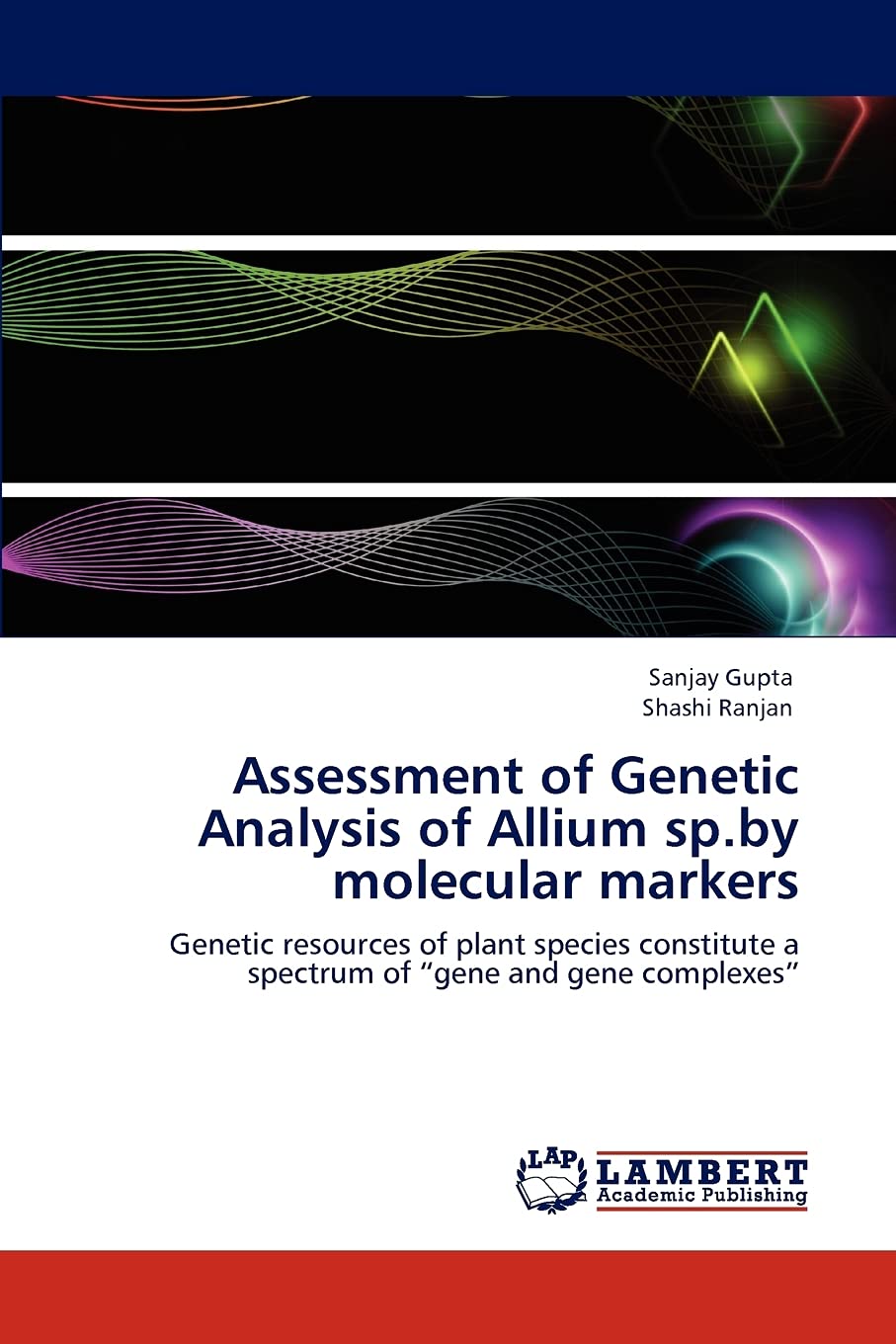
The advent of DNA marker technology has revolutionized the field of genetics. Although phenotypic or morphological markers and later isozyme (protein) markers have dominated the field of classical genetics for more than a century, the introduction of DNAbased markers during the second half of twentieth century changed the pace and precision of genetic analysis. Plant improvement work which is generally based on the breeding and progeny testing followed by selection of the desired traits, at present could not produce the desired results. Thus, the need arises to have an alternative method for the evaluation of the genetic structure of the plant species. The molecular markers offer alternatives to conventional germplasm improvement techniques. Molecular techniques used to identify genetic variation in plant populations may result in the recognition of new taxa or varieties and at the same time provide the tools for their identification. Many opportunities of using biotechnology in plant breeding have been identified, most of which have application to the urgent problems of the improvement of medicinal plants.
⚠️ WARNING (California Proposition 65):
This product may contain chemicals known to the State of California to cause cancer,
birth defects, or other reproductive harm.
For MAP (Minimum Advertised Price) violations and Intellectual Property (IP) or Trademark concerns, please contact:
support@ergodebooks.com
⚠️ California Proposition 65 Warning: Some products sold on this website may expose you to chemicals known to the State of California to cause cancer, birth defects, or other reproductive harm. For more information, visit www.P65Warnings.ca.gov.