
Title
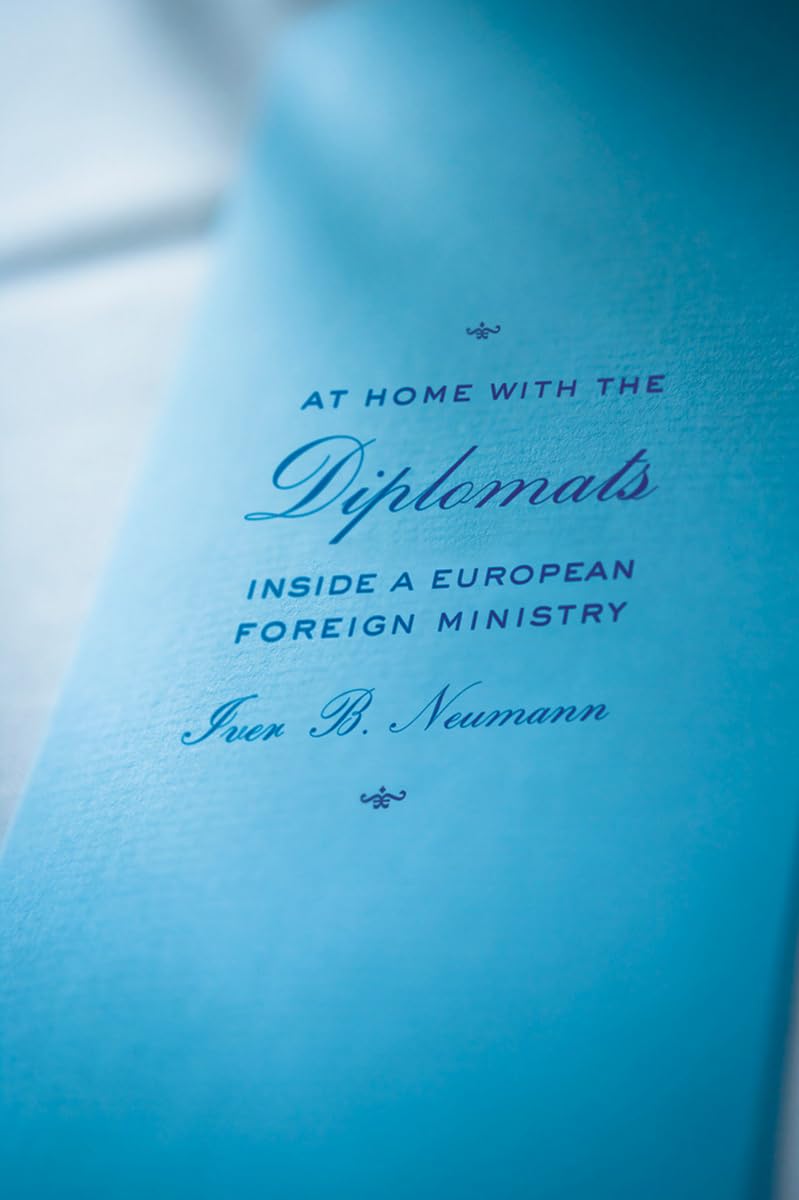
At Home with the Diplomats: Inside a European Foreign Ministry (Expertise: Cultures and Technologies of Knowledge),Used
Sold by Ergodebooks, an authorized reseller.
Returns accepted within 30 days | support@ergodebooks.com
Shipping Information
- Free Standard Shipping — United States only
- Processing Time: 3–5 business days
- Estimated Delivery: 6–10 business days after dispatch
- Double-boxed, fully insured & discreetly packaged
- Tracking number sent via email once dispatched
Returns & Refund
Returns accepted within 30 days of delivery.
Damaged or Defective Item
Free return shipping + replacement or full refund
Wrong Item Received
Free return shipping + replacement or full refund
Change of Mind
Return shipping at customer's expense · 25% restocking fee applies
Payment Option

The 2010 WikiLeaks release of 250,000 U.S. diplomatic cables has made it eminently clear that there is a vast gulf between the public face of diplomacy and the opinions and actions that take place behind embassy doors. In At Home with the Diplomats, Iver B. Neumann offers unprecedented access to the inner workings of a foreign ministry. Neumann worked for several years at the Norwegian Ministry of Foreign Affairs, where he had an upclose view of how diplomats conduct their business and how they perceive their own practices. In this book he shows us how diplomacy is conducted on a daytoday basis.Approaching contemporary diplomacy from an anthropological perspective, Neumann examines the various aspects of diplomatic work and practice, including immunity, permanent representation, diplomatic sociability, accreditation, and issues of gender equality. Neumann shows that the diplomat working abroad and the diplomat at home are engaged in two different modes of knowledge production. Diplomats in the field focus primarily on gathering and processing information. In contrast, the diplomat based in his or her home capital is caught up in the seemingly endless production of texts: reports, speeches, position papers, and the like. Neumann leaves the reader with a keen sense of the practices of diplomacy: relations with foreign ministries, mediating between other peoples positions while integrating personal and professional into a cohesive whole, adherence to compulsory routines and agendas, and, above all, the generation of knowledge. Yet even as they come to master such quotidian tasks, diplomats are regularly called upon to do exceptional things, such as negotiating peace.
⚠️ WARNING (California Proposition 65):
This product may contain chemicals known to the State of California to cause cancer, birth defects, or other reproductive harm.
For more information, please visit www.P65Warnings.ca.gov.