
Title
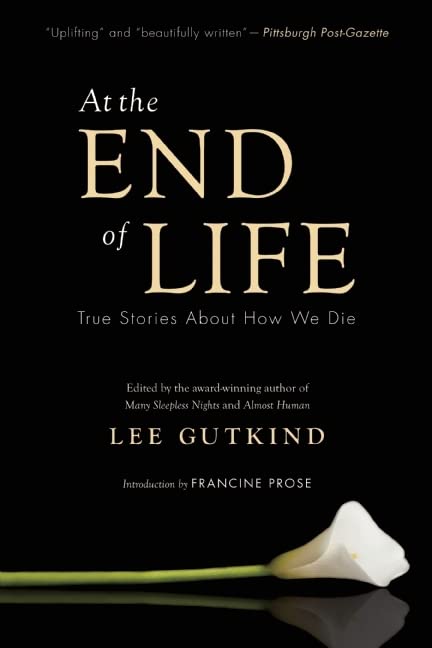
At The End Of Life: True Stories About How We Die
Sold by Ergodebooks, an authorized reseller.
Returns accepted within 30 days | support@ergodebooks.com
Shipping Information
- Free Standard Shipping — United States only
- Processing Time: 3–5 business days
- Estimated Delivery: 6–10 business days after dispatch
- Double-boxed, fully insured & discreetly packaged
- Tracking number sent via email once dispatched
Returns & Refund
Returns accepted within 30 days of delivery.
Damaged or Defective Item
Free return shipping + replacement or full refund
Wrong Item Received
Free return shipping + replacement or full refund
Change of Mind
Return shipping at customer's expense · 25% restocking fee applies
Payment Option

What Should Medicine Do When It Cant Save Your Life?The Modern Healthcare System Has Become Proficient At Staving Off Death With Aggressive Interventions. And Yet, Eventually Everyone Diesand Although Most Americans Say They Would Prefer To Die Peacefully At Home, More Than Half Of All Deaths Take Place In Hospitals Or Health Care Facilities.At The End Of Lifethe Latest Collaborative Book Project Between The Creative Nonfiction Foundation And The Jewish Healthcare Foundationtackles This Conundrum Head On. Featuring Twentytwo Compelling Personalmedical Narratives, The Collection Explores Death, Dying And Palliative Care, And Highlights Current Features, Flaws And Advances In The Healthcare System.Here, A Poet And Former Hospice Worker Reflects On Deaths Mysteries; A Son Wanders The Halls Of His Mothers Nursing Home, Lost In The Small Absurdities Of The Place; A Grief Counselor Struggles With Losing His Own Grandfather; A Medical Intern Traces The Origins And Meaning Of Time; A Mother Anguishes Over Her Decision To Turn Off Her Daughters Life Support And Allow Her Organs To Be Harvested; And A Nurse Remembers Many Of Her Former Patients.These Original, Compelling Personal Narratives Reveal The Inner Workings Of Hospitals, Homes And Hospices Where Patients, Their Doctors And Their Loved Ones All Battle To Hang Onand To Let Go.
⚠️ WARNING (California Proposition 65):
This product may contain chemicals known to the State of California to cause cancer, birth defects, or other reproductive harm.
For more information, please visit www.P65Warnings.ca.gov.
- Q: What is the size of the book? A: The book measures six point two six inches in length, one inch in width, and nine point zero two inches in height.
- Q: How many pages does this book have? A: This book contains two hundred eighty-eight pages, providing an in-depth exploration of its themes.
- Q: What type of binding does the book have? A: The book is published in paperback binding, making it flexible and easy to handle.
- Q: Who is the author of this book? A: The book is authored by Lee Gutkind, known for his contributions to creative nonfiction.
- Q: What is the main topic of the book? A: The book tackles the topic of death and dying, exploring personal and medical narratives related to palliative care.
- Q: What genre does this book belong to? A: This book belongs to the Grief and Bereavement genre, focusing on sensitive topics surrounding end-of-life experiences.
- Q: How does this book address the topic of dying? A: The book features personal stories that reflect on the complexities of dying and the healthcare system.
- Q: Is this book suitable for all audiences? A: The book is intended for mature readers due to its sensitive subject matter regarding death and dying.
- Q: How can I read this book? A: You can read this book by purchasing it in paperback format, which is ideal for personal reading or sharing.
- Q: What should I consider before reading this book? A: Consider your comfort level with topics of death and bereavement, as the narratives may evoke strong emotions.
- Q: How should I care for this book? A: Keep the book in a cool, dry place and avoid exposing it to direct sunlight to preserve its quality.
- Q: Can I return the book if I don't like it? A: Return policies typically allow for returns within a specified period, so check the retailer's policy for details.
- Q: What if the book arrives damaged? A: If the book arrives damaged, contact the seller to inquire about their return or replacement policy.
- Q: Is there any specific audience this book is aimed at? A: The book is aimed at adults interested in personal narratives about death and the healthcare system.
- Q: Does this book include illustrations or photos? A: The book does not include illustrations or photos; it focuses on text-based narratives.
- Q: What makes this book unique? A: This book is unique for its collection of twenty-two personal narratives that provide diverse perspectives on death and dying.