If you have any questions, you are always welcome to contact us. We'll get back to you as soon as possible, withing 24 hours on weekdays.
Customer service
All questions about your order, return and delivery must be sent to our customer service team by e-mail at yourstore@yourdomain.com
Sale & Press
If you are interested in selling our products, need more information about our brand or wish to make a collaboration, please contact us at press@yourdomain.com
Help
If you have any questions, you are always welcome to contact us. We'll get back to you as soon as possible, withing 24 hours on weekdays.
Customer service
All questions about your order, return and delivery must be sent to our customer service team by e-mail at yourstore@yourdomain.com
Sale & Press
If you are interested in selling our products, need more information about our brand or wish to make a collaboration, please contact us at press@yourdomain.com
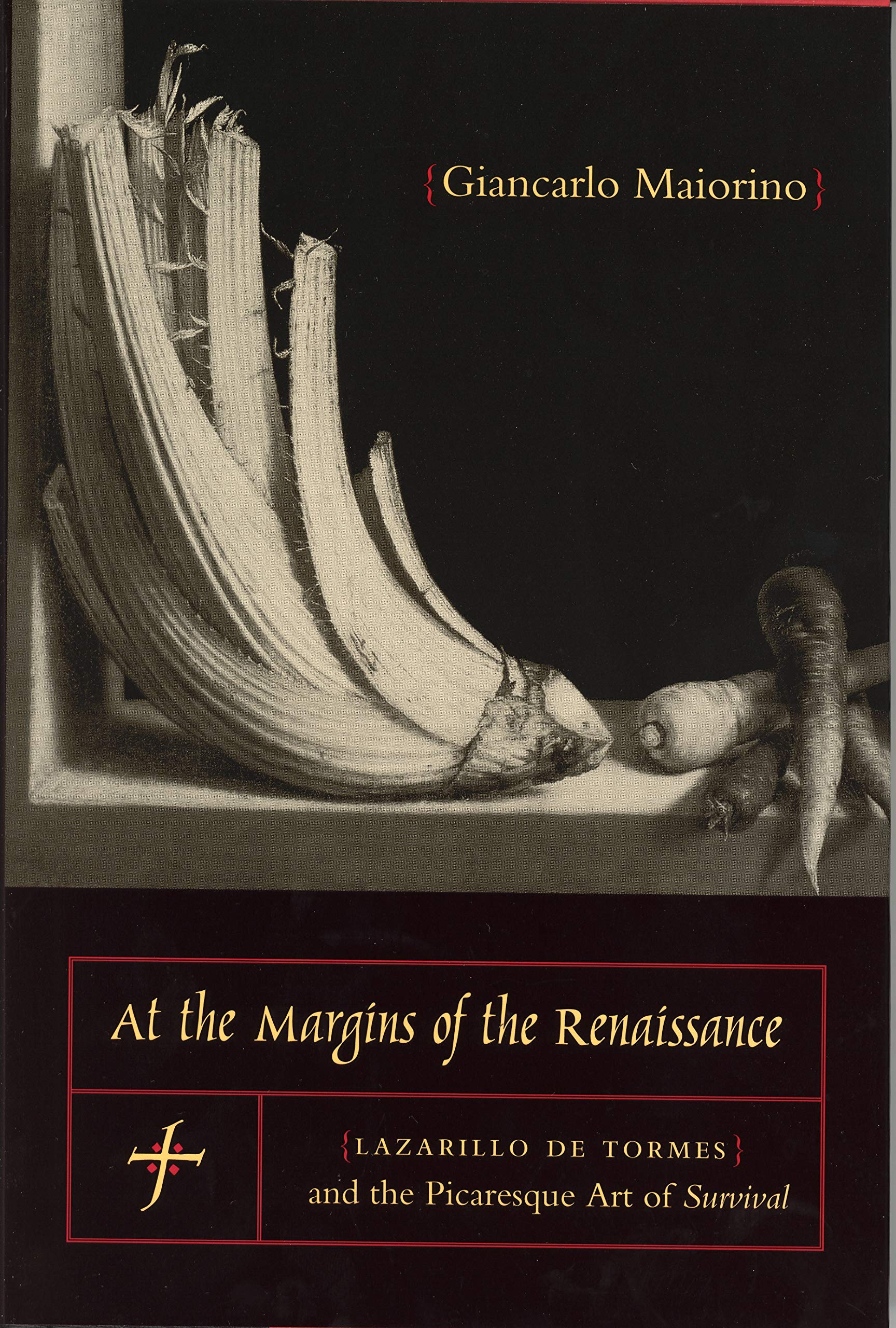
Published anonymously in 1554, Lazarillo de Tormes upset all the strict hierarchies that governed art and society during the Renaissance. It traces the adventures not of a nobleman or ancient hero, but rather of an ordinary man who struggles for survival in a cruel, corrupt society after growing up under the care of a blind beggar. Giancarlo Maiorino treats this picaresque narrative as a prism for exploring econopoetics, a term he uses to foreground the ways in which literary and economic modes of production feed off one another. His approach introduces readers to the turbulent world of common people of Renaissance Spain even as it affords abundant insights into the historical significance of this literary classic.Although literary historians generally connect the rise of the novel to the needs of the middle classes of England, Maiorino demonstrates that its deepest roots are in the culture of indigence that developed at the peripheries of Renaissance society and challengedeven parodiedits authoritarian ambitions. Seen in this light, Lazarillo de Tormes emerges as a key text in understanding the novel's purchase on visions of escape from authority into alternative modes of existence.Maiorino grounds his farreaching arguments in recent theories of textuality and the practices of everyday life. His book will be important reading for all those concerned with the Renaissance, Spanish history and culture, and, more generally, theories of the novel.
⚠️ WARNING (California Proposition 65):
This product may contain chemicals known to the State of California to cause cancer,
birth defects, or other reproductive harm.
For MAP (Minimum Advertised Price) violations and Intellectual Property (IP) or Trademark concerns, please contact:
support@ergodebooks.com
⚠️ California Proposition 65 Warning: Some products sold on this website may expose you to chemicals known to the State of California to cause cancer, birth defects, or other reproductive harm. For more information, visit www.P65Warnings.ca.gov.