
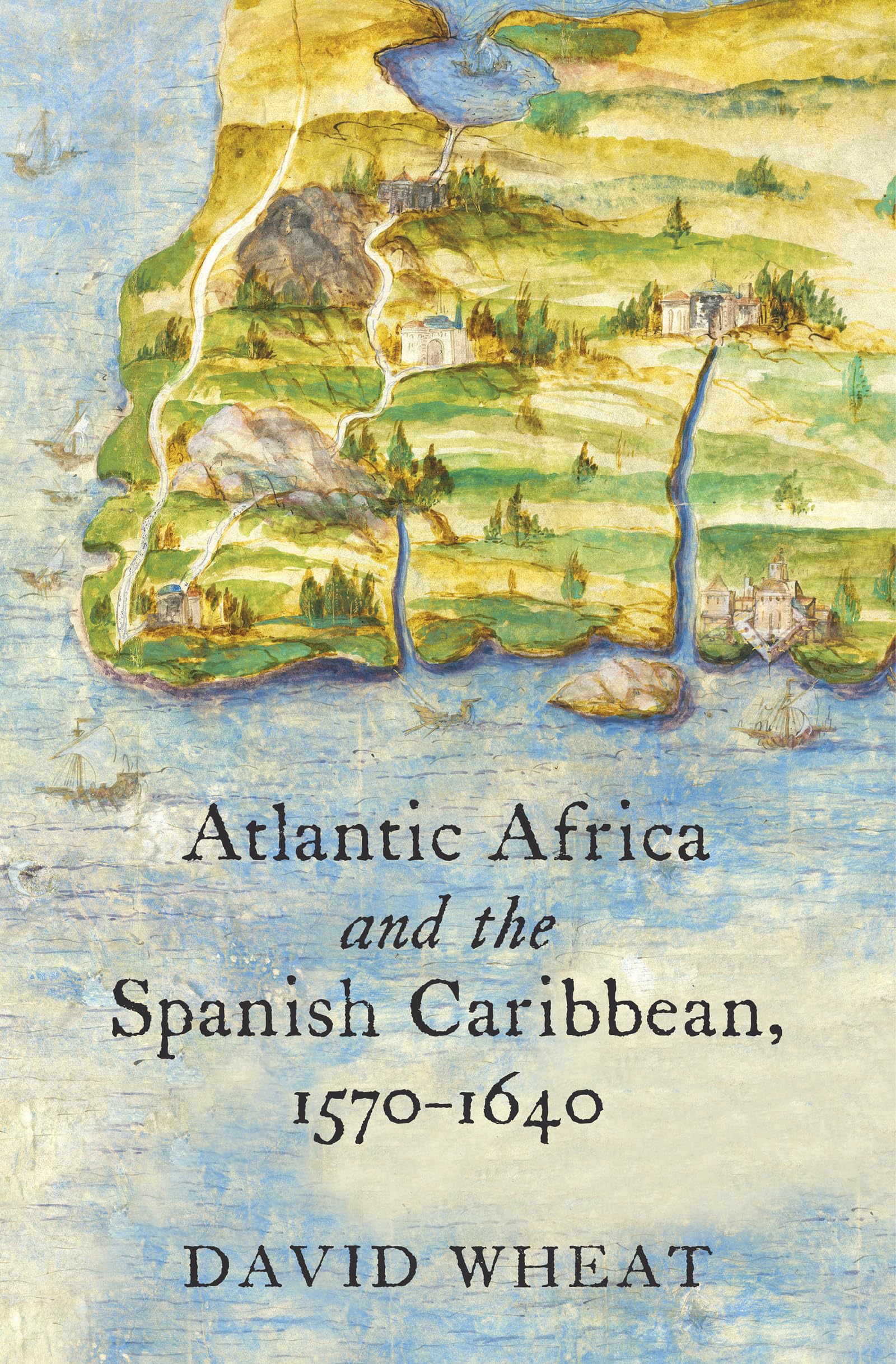
Title
Atlantic Africa and the Spanish Caribbean, 15701640 (Published by the Omohundro Institute of Early American Histo),New
Sold by Ergodebooks, an authorized reseller.
Returns accepted within 30 days | support@ergodebooks.com
Shipping Information
- Free Standard Shipping — United States only
- Processing Time: 3–5 business days
- Estimated Delivery: 6–10 business days after dispatch
- Double-boxed, fully insured & discreetly packaged
- Tracking number sent via email once dispatched
Returns & Refund
Returns accepted within 30 days of delivery.
Damaged or Defective Item
Free return shipping + replacement or full refund
Wrong Item Received
Free return shipping + replacement or full refund
Change of Mind
Return shipping at customer's expense · 25% restocking fee applies
Payment Option

This work resituates the Spanish Caribbean as an extension of the LusoAfrican Atlantic world from the late sixteenth to the midseventeenth century, when the union of the Spanish and Portuguese crowns facilitated a surge in the transatlantic slave trade. After the catastrophic decline of Amerindian populations on the islands, two major African provenance zones, first Upper Guinea and then Angola, contributed forced migrant populations with distinct experiences to the Caribbean. They played a dynamic role in the social formation of early Spanish colonial society in the fortified port cities of Cartagena de Indias, Havana, Santo Domingo, and Panama City and their semirural hinterlands.David Wheat is the first scholar to establish this early phase of the 'Africanization' of the Spanish Caribbean two centuries before the rise of largescale sugar plantations. With African migrants and their descendants comprising demographic majorities in core areas of Spanish settlement, LusoAfricans, AfroIberians, Latinized Africans, and free people of color acted more as colonists or settlers than as plantation slaves. These ethnically mixed and economically diversified societies constituted a region of overlapping Iberian and African worlds, while they made possible Spain's colonization of the Caribbean.
⚠️ WARNING (California Proposition 65):
This product may contain chemicals known to the State of California to cause cancer, birth defects, or other reproductive harm.
For more information, please visit www.P65Warnings.ca.gov.
- Q: What is the main focus of 'Atlantic Africa and the Spanish Caribbean, 1570-1640'? A: This book examines the Spanish Caribbean as an extension of the Luso-African Atlantic world during the late sixteenth to mid-seventeenth centuries, highlighting the impact of the transatlantic slave trade and the demographic shifts resulting from African migrations.
- Q: Who is the author of this book? A: The author of 'Atlantic Africa and the Spanish Caribbean, 1570-1640' is David Wheat, a scholar recognized for his research on the 'Africanization' of the Spanish Caribbean.
- Q: What time period does the book cover? A: The book covers the period from 1570 to 1640, focusing on the interactions between African and Iberian cultures in the Caribbean.
- Q: What are the key themes discussed in the book? A: Key themes include the transatlantic slave trade, demographic changes due to African migration, and the social dynamics in early Spanish colonial society, particularly in urban areas like Cartagena, Havana, and Santo Domingo.
- Q: Is this book suitable for academic research? A: Yes, this book is suitable for academic research as it provides a detailed historical analysis and is published by the Omohundro Institute of Early American History and Culture, a reputable source in the field.
- Q: How many pages does the book contain? A: The book contains 352 pages, offering a comprehensive exploration of its subject matter.
- Q: What is the binding type of this book? A: The book is available in paperback binding, making it a flexible and lightweight option for readers.
- Q: When was this book published? A: The book was published on May 16, 2016, with a reprint edition released on August 1, 2018.
- Q: Can this book help me understand the role of African migrants in the Caribbean? A: Yes, the book provides insights into the experiences of African migrants and their descendants, emphasizing their significant role in shaping early Spanish colonial society.
- Q: What is the condition of the book? A: The book is in new condition, ensuring that readers receive a quality product.