
Title
Atlantic Passages: Race, Mobility, And Liberian Colonization,Used
Sold by Ergodebooks, an authorized reseller.
Returns accepted within 30 days | support@ergodebooks.com
Shipping Information
- Free Standard Shipping — United States only
- Processing Time: 3–5 business days
- Estimated Delivery: 6–10 business days after dispatch
- Double-boxed, fully insured & discreetly packaged
- Tracking number sent via email once dispatched
Returns & Refund
Returns accepted within 30 days of delivery.
Damaged or Defective Item
Free return shipping + replacement or full refund
Wrong Item Received
Free return shipping + replacement or full refund
Change of Mind
Return shipping at customer's expense · 25% restocking fee applies
Payment Option

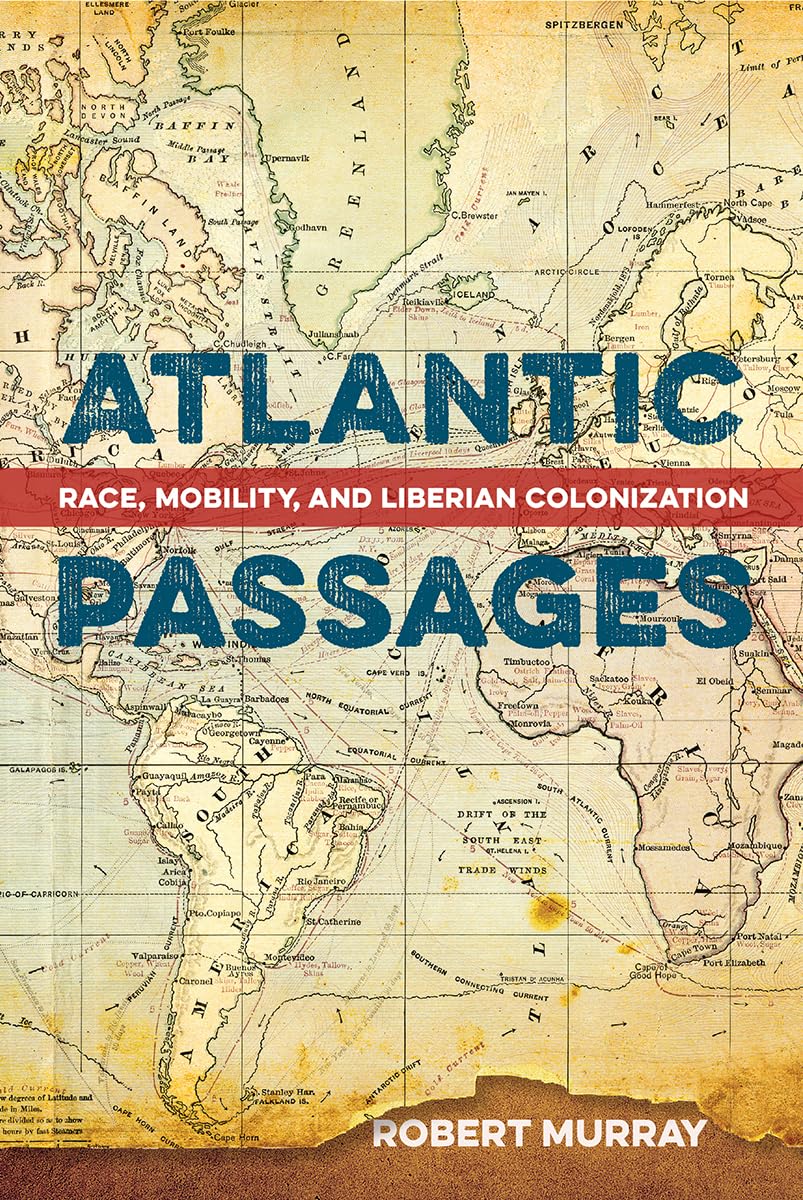
Tracing the movement of people to and from Liberia in the nineteenth centuryEstablished by the American Colonization Society in the early nineteenth century as a settlement for free people of color, the West African colony of Liberia is usually seen as an endpoint in the journeys of those who traveled there. In Atlantic Passages, Robert Murray reveals that many Liberian settlers did not remain in Africa but returned repeatedly to the United States, and he explores the ways this movement shaped the construction of race in the Atlantic world.Tracing the transatlantic crossings of AmericoLiberians between 1820 and 1857, in addition to delving into their experiences on both sides of the ocean, Murray discusses how the African neighbors and inhabitants of Liberia recognized significant cultural differences in the newly arrived African Americans and racially categorized them as whites. He examines the implications of being perceived as simultaneously white and Black, arguing that these settlers acquired an exotic, foreign identity that escaped associations with primitivism and enabled them to claim previously inaccessible privileges and honors in America.Highlighting examples of the ways in which blackness and whiteness have always been contested ideas, as well as how understandings of race can be shaped by geography and cartography, Murray offers many insights into what it meant to be Black and white in the space between Africa and America.Publication of the paperback edition made possible by a Sustaining the Humanities through the American Rescue Plan grant from the National Endowment for the Humanities.
⚠️ WARNING (California Proposition 65):
This product may contain chemicals known to the State of California to cause cancer, birth defects, or other reproductive harm.
For more information, please visit www.P65Warnings.ca.gov.