If you have any questions, you are always welcome to contact us. We'll get back to you as soon as possible, withing 24 hours on weekdays.
Customer service
All questions about your order, return and delivery must be sent to our customer service team by e-mail at yourstore@yourdomain.com
Sale & Press
If you are interested in selling our products, need more information about our brand or wish to make a collaboration, please contact us at press@yourdomain.com
Help
If you have any questions, you are always welcome to contact us. We'll get back to you as soon as possible, withing 24 hours on weekdays.
Customer service
All questions about your order, return and delivery must be sent to our customer service team by e-mail at yourstore@yourdomain.com
Sale & Press
If you are interested in selling our products, need more information about our brand or wish to make a collaboration, please contact us at press@yourdomain.com
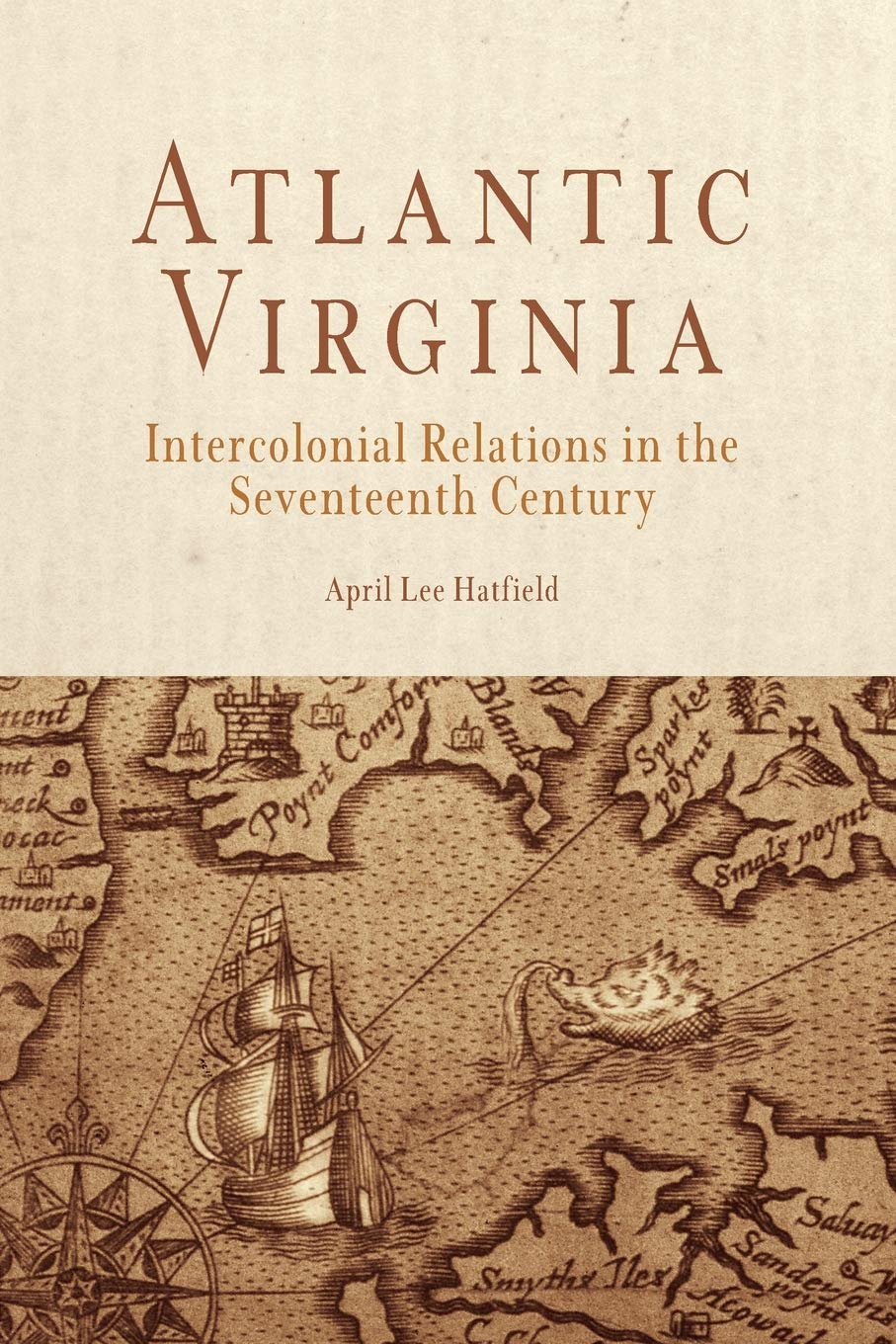
Through Networks Of Trails And Rivers Inland And Established Ocean Routes Across The Seas, Seventeenthcentury Virginians Were Connected To A Vibrant Atlantic World. They Routinely Traded With Adjacent Native Americans And Received Ships From England, The Netherlands, And Other English And Dutch Colonies, While Maintaining Less Direct Connections To Africa And To French And Spanish Colonies. Their Atlantic World Emerged From The Movement Of Goods And Services, But Trade Routes Quickly Became Equally Important In The Transfer Of People And Information.Much Seventeenthcentury Historiography, However, Still Assumes That Each North American Colony Operated As A Largely Selfcontained Entity And Interacted With Other Colonies Only Indirectly, Through London. By Contrast, In Atlantic Virginia, Historian April Lee Hatfield Demonstrates That The Colonies Actually Had Vibrant Interchange With Each Other And With Peoples Throughout The Hemisphere, As Well As With Europeans.
⚠️ WARNING (California Proposition 65):
This product may contain chemicals known to the State of California to cause cancer,
birth defects, or other reproductive harm.
For MAP (Minimum Advertised Price) violations and Intellectual Property (IP) or Trademark concerns, please contact:
support@ergodebooks.com
⚠️ California Proposition 65 Warning: Some products sold on this website may expose you to chemicals known to the State of California to cause cancer, birth defects, or other reproductive harm. For more information, visit www.P65Warnings.ca.gov.