
Title
Atmospheric Aerosols: Characterization, Chemistry, Modeling, And Climate (Acs Symposium Series),Used
Sold by Ergodebooks, an authorized reseller.
Returns accepted within 30 days | support@ergodebooks.com
Shipping Information
- Free Standard Shipping — United States only
- Processing Time: 3–5 business days
- Estimated Delivery: 6–10 business days after dispatch
- Double-boxed, fully insured & discreetly packaged
- Tracking number sent via email once dispatched
Returns & Refund
Returns accepted within 30 days of delivery.
Damaged or Defective Item
Free return shipping + replacement or full refund
Wrong Item Received
Free return shipping + replacement or full refund
Change of Mind
Return shipping at customer's expense · 25% restocking fee applies
Payment Option

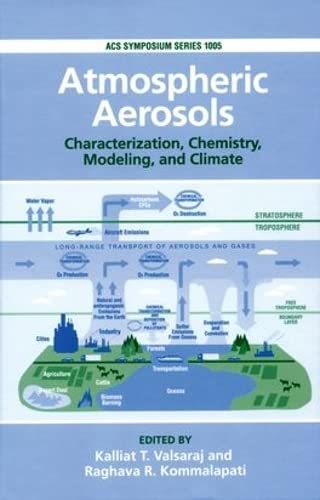
Atmospheric aerosols play a large role in air pollution in urban areas and in regulating climate. They also play a role in the ongoing debate on global warming potentials of various species. To understand the proper roles of aerosols in the atmosphere, we need data on their physical characterization, their chemistry and appropriate models to project into the future. Apart from general discussions in textbooks, there are not very many monographs devoted to the aspects outlined above. This symposium series book will describe the characteristics of atmospheric aerosols, the chemistry of aerosols, and finally the interplay between aerosol modeling and global climate changes using specific case studies.The book is organized into three sections: Characterization, Chemistry and Modeling of Atmospheric Aerosols. The characterization section of the book includes three chapters. The chapters include: The role of morphology on aerosol particle reactivity; The chemistry portion of the book covers several interesting topics including secondary aerosols and the chapters include: Surface activity of perfluorinated compounds at the airwater interface; Atmospheric chemistry of urban surface films; Photochemistry of secondary organic aerosol formed from oxidation of monoterpenes; Finally the modeling section of the book includes two very interesting chapters; Understanding climatic effects of aerosols: modeling radiative effects of aerosols; Environmental effects to residential New Orleans following hurricane katrina: indoor sediment, vaporphase and aerosolized contaminants.
⚠️ WARNING (California Proposition 65):
This product may contain chemicals known to the State of California to cause cancer, birth defects, or other reproductive harm.
For more information, please visit www.P65Warnings.ca.gov.