
Title
Audiovision: Sound On Screen,Used
Sold by Ergodebooks, an authorized reseller.
Returns accepted within 30 days | support@ergodebooks.com
Shipping Information
- Free Standard Shipping — United States only
- Processing Time: 3–5 business days
- Estimated Delivery: 6–10 business days after dispatch
- Double-boxed, fully insured & discreetly packaged
- Tracking number sent via email once dispatched
Returns & Refund
Returns accepted within 30 days of delivery.
Damaged or Defective Item
Free return shipping + replacement or full refund
Wrong Item Received
Free return shipping + replacement or full refund
Change of Mind
Return shipping at customer's expense · 25% restocking fee applies
Payment Option

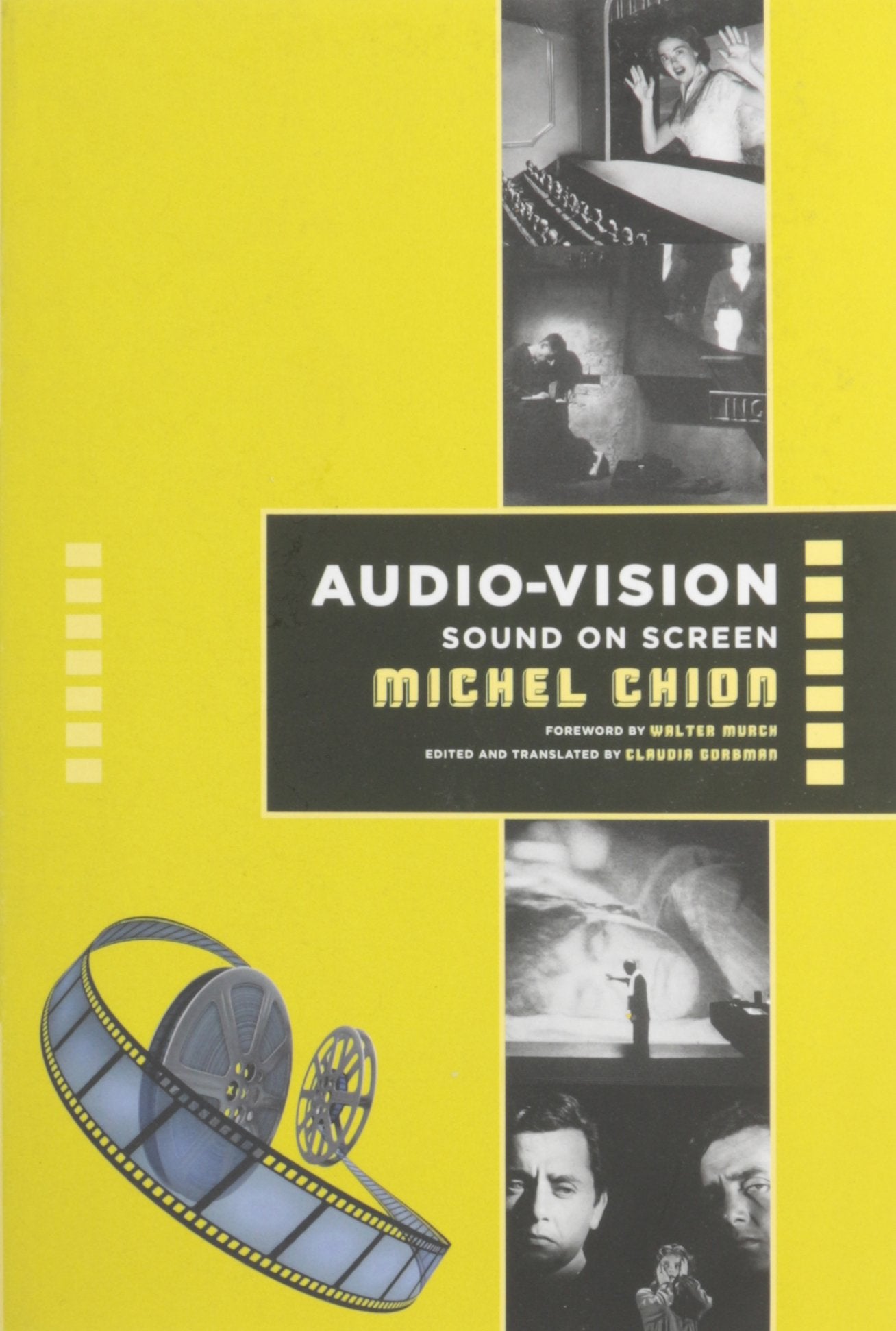
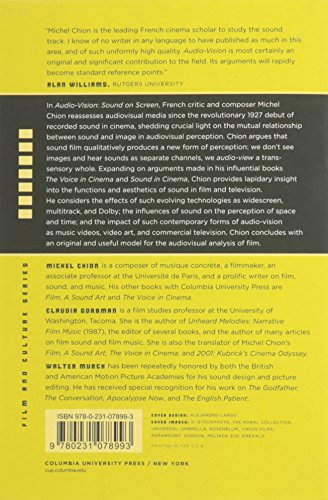
In Audiovision: Sound On Screen, French Critic And Composer Michel Chion Reassesses Audiovisual Media Since The Revolutionary 1927 Debut Of Recorded Sound In Cinema, Shedding Crucial Light On The Mutual Relationship Between Sound And Image In Audiovisual Perception.Chion Argues That Sound Film Qualitatively Produces A New Form Of Perception: We Don'T See Images And Hear Sounds As Separate Channels, We Audioview A Transsensory Whole. Expanding On Arguments Made In His Influential Books The Voice In Cinema And Sound In Cinema, Chion Provides Lapidary Insight Into The Functions And Aesthetics Of Sound In Film And Television. He Considers The Effects Of Such Evolving Technologies As Widescreen, Multitrack, And Dolby; The Influences Of Sound On The Perception Of Space And Time; And The Impact Of Such Contemporary Forms Of Audiovision As Music Videos, Video Art, And Commercial Television. Chion Concludes With An Original And Useful Model For The Audiovisual Analysis Of Film.
⚠️ WARNING (California Proposition 65):
This product may contain chemicals known to the State of California to cause cancer, birth defects, or other reproductive harm.
For more information, please visit www.P65Warnings.ca.gov.
- Q: How many pages does the book have? A: The book has two hundred thirty-nine pages. This length allows for a comprehensive exploration of the relationship between sound and image.
- Q: What is the binding type of this book? A: The binding type is paperback. This makes the book lightweight and flexible, suitable for easy handling.
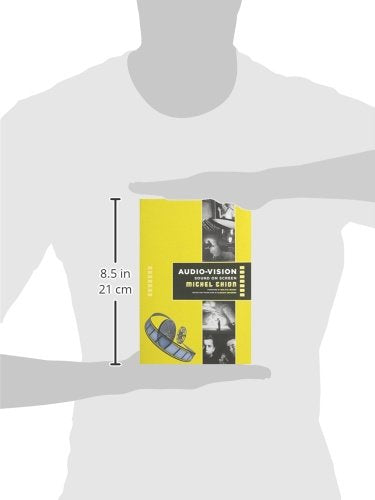
- Q: What are the dimensions of the book? A: The book measures five point five one inches in length, zero point seven five inches in width, and eight point five inches in height. These dimensions make it portable and easy to store.
- Q: Who is the author of Audio-Vision: Sound on Screen? A: The author is Michel Chion. He is a renowned French critic and composer specializing in audiovisual media.
- Q: What category does this book fall under? A: The book falls under the Performing Arts category. It explores the intersection of sound and image, making it relevant to film studies.
- Q: What key themes are covered in this book? A: Key themes include the mutual relationship between sound and image, and the evolution of audiovisual perception. Chion discusses technologies like widescreen and multitrack sound.
- Q: Is this book suitable for beginners in film studies? A: Yes, the book is suitable for beginners. Chion explains complex concepts in an accessible manner, making it a good introduction to sound in film.
- Q: Is there an index or glossary in the book? A: No, there is no specific mention of an index or glossary. However, the content is structured to facilitate understanding of key concepts.
- Q: How does this book explore the concept of audio-vision? A: The book explores audio-vision by examining how sound and image interact. Chion argues that they create a trans-sensory whole rather than being separate entities.
- Q: Does this book include illustrations or images? A: No, the book does not specifically mention the inclusion of illustrations or images. It focuses on textual analysis of audiovisual media.
- Q: What are the main technologies discussed in the book? A: Main technologies discussed include Dolby sound, widescreen formats, and multitrack recording. Chion analyzes their impact on film and television perception.
- Q: What type of audience is this book aimed at? A: The book is aimed at students, scholars, and enthusiasts of film and sound studies. It offers insights beneficial to anyone interested in audiovisual media.
- Q: How does the author approach the analysis of sound in film? A: Chion approaches the analysis of sound by providing a model for understanding audiovisual relationships. He emphasizes the aesthetic and functional roles of sound.
- Q: Can this book be used as a textbook for courses? A: Yes, this book can be used as a textbook for courses in film studies and media analysis. Its insights are valuable for educational settings.
- Q: What makes this book unique in its field? A: The book is unique for its comprehensive examination of audio-vision and its theoretical model for audiovisual analysis, which is not commonly found in other texts.