
Title
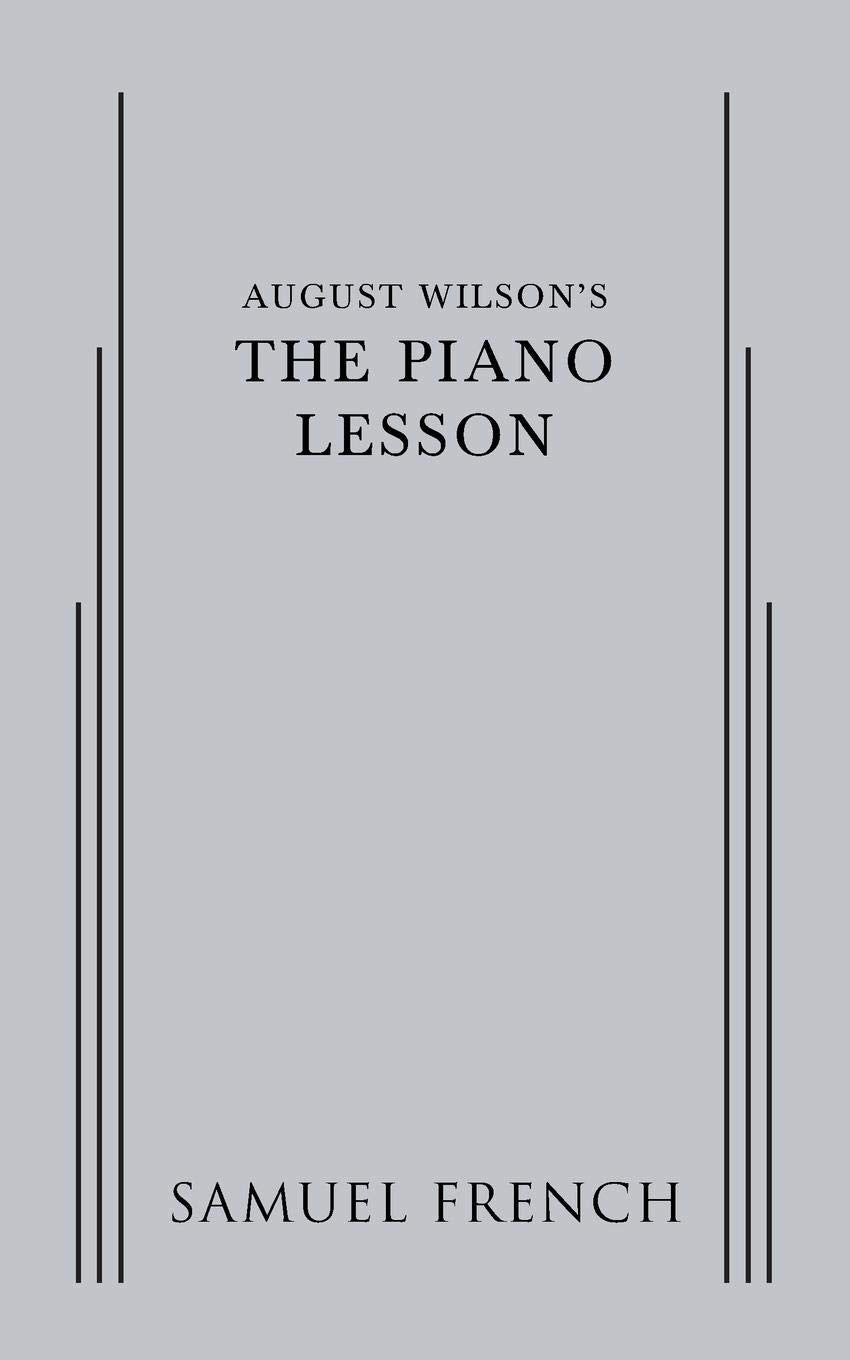
August Wilson's The Piano Lesson,Used
Sold by Ergodebooks, an authorized reseller.
Returns accepted within 30 days | support@ergodebooks.com
Shipping Information
- Free Standard Shipping — United States only
- Processing Time: 3–5 business days
- Estimated Delivery: 6–10 business days after dispatch
- Double-boxed, fully insured & discreetly packaged
- Tracking number sent via email once dispatched
Returns & Refund
Returns accepted within 30 days of delivery.
Damaged or Defective Item
Free return shipping + replacement or full refund
Wrong Item Received
Free return shipping + replacement or full refund
Change of Mind
Return shipping at customer's expense · 25% restocking fee applies
Payment Option

Winner! 1990 Pulitzer Prize for DramaWinner! 1990 Drama Desk Award Outstanding New PlayNominee! 1990 Tony Award Best PlayNominee! 2013 Outer Critics Circle Award Outstanding Revival of a PlayNominee! 2013 Drama League Award Outstanding Revival of a PlayIt is 1936 and Boy Willie arrives in Pittsburgh from the South in a battered truck loaded with watermelons to sell. He has an opportunity to buy some land down home but he has to come up with the money right quick. He wa
⚠️ WARNING (California Proposition 65):
This product may contain chemicals known to the State of California to cause cancer, birth defects, or other reproductive harm.
For more information, please visit www.P65Warnings.ca.gov.
- Q: How many pages are in August Wilson's The Piano Lesson? A: This book contains one hundred ten pages. It is a paperback edition, making it easy to handle and read.
- Q: What is the binding type of this play? A: The binding type is paperback. This makes it lightweight and portable for readers who enjoy theater.
- Q: What are the dimensions of the book? A: The dimensions are five inches in length, eight inches in height, and zero point twenty-four inches in width. These measurements make it a convenient size for reading.
- Q: What is the genre of The Piano Lesson? A: The genre is drama. It focuses on themes of family, heritage, and the challenges of African American life.
- Q: Is The Piano Lesson suitable for young readers? A: Yes, it is suitable for young readers. However, it is recommended for older teens and adults due to its complex themes.
- Q: How can I best appreciate The Piano Lesson? A: To appreciate this play, consider reading it aloud or watching a performance. Engaging with the material enhances understanding of its themes.
- Q: What is the best way to store this paperback book? A: Store it upright on a shelf away from direct sunlight. This helps prevent damage and keeps the book in good condition.
- Q: Can I clean the book if it gets dirty? A: Yes, you can clean it gently. Use a soft, dry cloth to wipe the cover and avoid using water or cleaners.
- Q: Does this book have any awards or nominations? A: Yes, it won the Pulitzer Prize for Drama in nineteen ninety and received multiple nominations for various theater awards.
- Q: Is August Wilson the author of The Piano Lesson? A: Yes, August Wilson is the author. He is a renowned playwright known for his significant contributions to American theater.
- Q: How does The Piano Lesson compare to other plays by Wilson? A: The Piano Lesson is often considered one of Wilson's best works, focusing on African American culture. It stands out for its deep emotional impact.
- Q: What themes are explored in The Piano Lesson? A: Key themes include family, heritage, and the struggle for identity. The play delves into the significance of cultural history.
- Q: Can I perform this play in a school setting? A: Yes, you can perform it in a school setting, but be sure to check for any licensing requirements from the publisher.
- Q: What should I do if the book arrives damaged? A: If the book arrives damaged, contact the seller for a return or exchange policy. Most sellers will resolve the issue promptly.
- Q: Is there a specific reading level for this play? A: It is generally suitable for high school students and above due to its complex language and themes. Teachers often use it in drama classes.