
Title


Augustine and the Limits of Politics (Catholic Ideas for a Secular World),Used
Sold by Ergodebooks, an authorized reseller.
Returns accepted within 30 days | support@ergodebooks.com
Shipping Information
- Free Standard Shipping — United States only
- Processing Time: 3–5 business days
- Estimated Delivery: 6–10 business days after dispatch
- Double-boxed, fully insured & discreetly packaged
- Tracking number sent via email once dispatched
Returns & Refund
Returns accepted within 30 days of delivery.
Damaged or Defective Item
Free return shipping + replacement or full refund
Wrong Item Received
Free return shipping + replacement or full refund
Change of Mind
Return shipping at customer's expense · 25% restocking fee applies
Payment Option

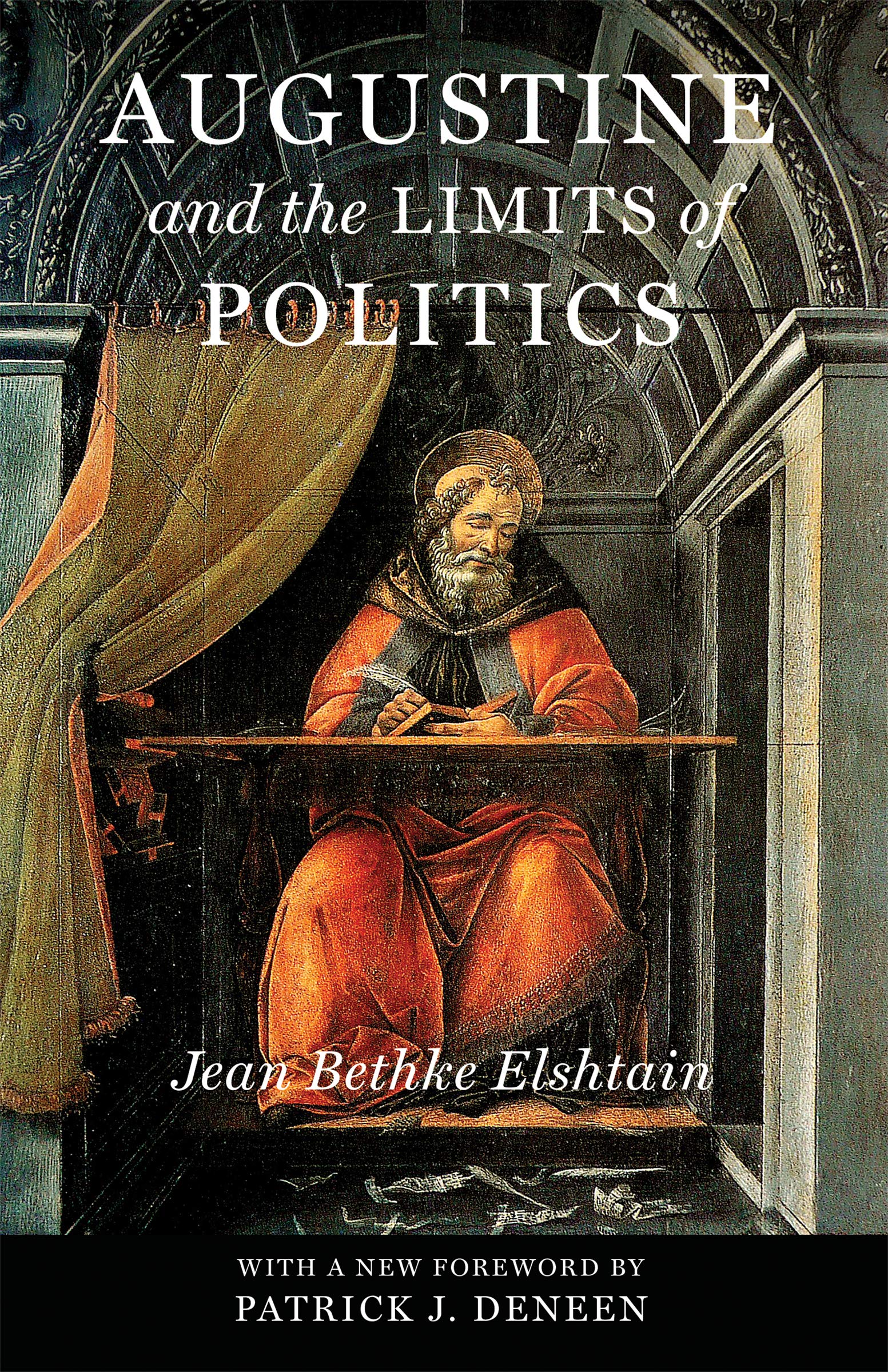
Now with a new foreword by Patrick J. Deneen.Jean Bethke Elshtain brings Augustine's thought into the contemporary political arena and presents an Augustine who created a complex moral map that offers space for loyalty, love, and care, as well as a chastened form of civic virtue. The result is a controversial book about one of the world's greatest and most complex thinkers whose thought continues to haunt all of Western political philosophy. What is our business 'within this common mortal life?' Augustine asks and bids us to ask ourselves. What can Augustine possibly have to say about the conditions that characterize our contemporary society and appear to put democracy in crisis? Who is Augustine for us now and what do his words have to do with political theory? These are the underlying questions that animate Jean Bethke Elshtain's fascinating engagement with the thought and work of Augustine, the ancient thinker who gave no political theory per se and refused to offer up a positive utopia. In exploring the questions, Why Augustine, why now?Elshtain argues that Augustine's great works display a canny and scrupulous attunement to the here and now and the very real limits therein. She discusses other aspects of Augustine's thought as well, including his insistence that no human city can be modeled on the heavenly city, and further elaborates on Hannah Arendt's deep indebtedness to Augustine's understanding of evil. Elshtain also presents Augustine's arguments against the pridefulness of philosophy, thereby linking him to later currents in modern thought, including Wittgenstein and Freud.
⚠️ WARNING (California Proposition 65):
This product may contain chemicals known to the State of California to cause cancer, birth defects, or other reproductive harm.
For more information, please visit www.P65Warnings.ca.gov.