
Title

Autism: A New Introduction To Psychological Theory And Current Debate
Sold by Ergodebooks, an authorized reseller.
Returns accepted within 30 days | support@ergodebooks.com
Shipping Information
- Free Standard Shipping — United States only
- Processing Time: 3–5 business days
- Estimated Delivery: 6–10 business days after dispatch
- Double-boxed, fully insured & discreetly packaged
- Tracking number sent via email once dispatched
Returns & Refund
Returns accepted within 30 days of delivery.
Damaged or Defective Item
Free return shipping + replacement or full refund
Wrong Item Received
Free return shipping + replacement or full refund
Change of Mind
Return shipping at customer's expense · 25% restocking fee applies
Payment Option

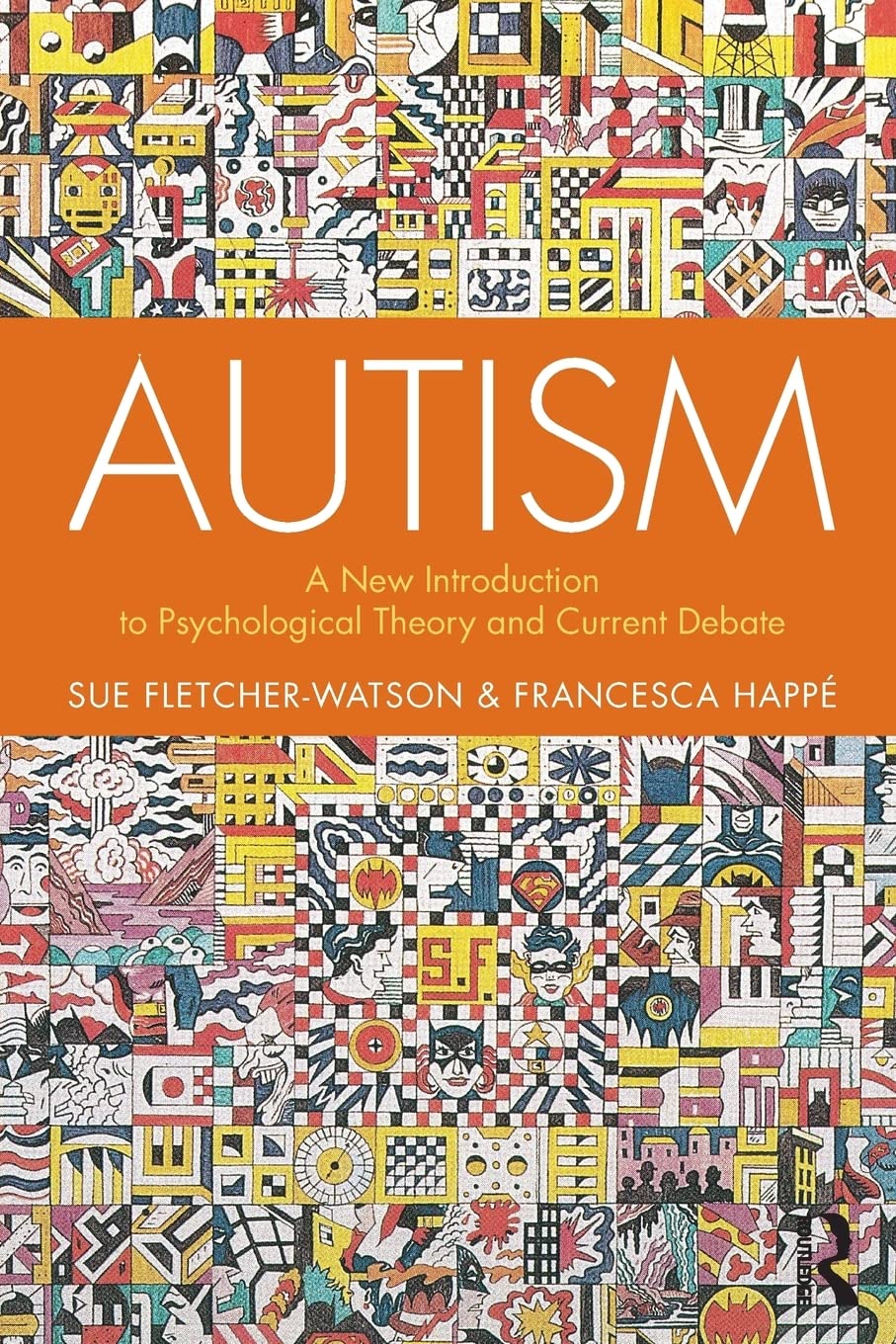
Based On Francesca Happs Bestselling Textbook, Autism: An Introduction To Psychological Theory, This Completely New Edition Provides A Concise Overview Of Contemporary Psychological Theories About Autism. Fletcherwatson And Happ Explore The Relationship Between Theories Of Autism At Psychological (Cognitive), Biological And Behavioural Levels, And Consider Their Clinical And Educational Impact.The Authors Summarise What Is Known About The Biology And Behavioural Features Of Autism, And Provide Concise But Comprehensive Accounts Of All Influential Psychological Models Including Theory Of Mind (Tom) Models, Early Social Development Models And Alternative Information Processing Models Such As Weak Central Coherence Theory. The Book Also Discusses More Recent Attempts To Understand Autism, Including The Double Empathy Problem And Bayesian Theories. In Each Case, The Authors Describe The Theory, Review The Evidence And Provide Critical Analysis Of Its Value And Impact. Recognising The Multiplicity Of Theoretical Views, And Rapidly Changing Nature Of Autism Research, Each Chapter Considers Current Debates And Major Questions That Remain For The Future.Importantly, The Book Includes The Voices Of Autistic People, Including Parents And Practitioners, Who Were Asked To Provide Commentaries On Each Chapter, Helping To Contextualise Theory And Research Evidence With Accounts Of Reallife Experience. The Book Embraces Neurodiversity Whilst Recognising The Real Needs Of Autistic People And Their Families. Thus Autism: A New Introduction To Psychological Theory And Current Debate Provides The Reader With A Critical Overview Of Psychological Theory But Also Embeds This Within Community Perspectives, Making It A Relevant And Progressive Contribution To Understanding Autism, And Essential Reading For Students And Practitioners Across Educational, Clinical And Social Settings.
⚠️ WARNING (California Proposition 65):
This product may contain chemicals known to the State of California to cause cancer, birth defects, or other reproductive harm.
For more information, please visit www.P65Warnings.ca.gov.
- Q: How many pages does the book Autism have? A: This book has two hundred eight pages. It provides a comprehensive overview of contemporary psychological theories about autism.
- Q: What is the binding type of Autism? A: The binding type is paperback. This makes it lightweight and easy to handle for readers.
- Q: Who is the author of Autism? A: The author is Sue Fletcher-Watson. She collaborates with Francesca Happé in this informative edition.
- Q: What is the size of the book Autism? A: The book measures six inches in length, zero point four seven inches in width, and nine point zero two inches in height. Its dimensions make it portable and easy to store.
- Q: What category does the book Autism belong to? A: The book is categorized under Psychology and Counseling. This indicates its focus on psychological theories and their applications.
- Q: How do I use the information in Autism? A: You can use it as a resource for understanding contemporary psychological theories of autism. It serves both students and practitioners in educational and clinical settings.
- Q: Is Autism suitable for beginners in psychology? A: Yes, it is suitable for beginners. The book provides a concise overview of theories, making complex ideas accessible.
- Q: What age group is Autism appropriate for? A: The book is primarily aimed at students and professionals in psychology, typically suitable for ages eighteen and up. Its content is academic in nature.
- Q: How can I apply the theories discussed in Autism? A: You can apply the theories in clinical and educational settings. The book discusses practical implications for understanding and supporting autistic individuals.
- Q: What should I do to keep the book in good condition? A: Store it in a cool, dry place. Avoid exposing it to direct sunlight to prevent fading and ensure longevity.
- Q: Are there any special care instructions for the book Autism? A: No special care instructions are needed. Just handle it gently to maintain its physical condition.
- Q: Can I return the book Autism if I'm not satisfied? A: Yes, you can return the book if you are not satisfied, subject to the retailer's return policy. Always check the specific terms before purchasing.
- Q: What if the book Autism arrives damaged? A: If the book arrives damaged, you should contact the retailer for a replacement or refund. Most retailers have policies in place for such issues.
- Q: Is there a warranty for the book Autism? A: No, books typically do not come with a warranty. However, check the retailer's policies for any satisfaction guarantees.
- Q: How does Autism compare to other psychology textbooks? A: Autism provides a critical overview of psychological theories, focusing specifically on autism, unlike general psychology textbooks that cover broader topics.
- Q: Is Autism a good choice for someone interested in neurodiversity? A: Yes, it is a great choice. The book embraces neurodiversity and includes perspectives from autistic individuals, making it relevant to this topic.