If you have any questions, you are always welcome to contact us. We'll get back to you as soon as possible, withing 24 hours on weekdays.
Customer service
All questions about your order, return and delivery must be sent to our customer service team by e-mail at yourstore@yourdomain.com
Sale & Press
If you are interested in selling our products, need more information about our brand or wish to make a collaboration, please contact us at press@yourdomain.com
Help
If you have any questions, you are always welcome to contact us. We'll get back to you as soon as possible, withing 24 hours on weekdays.
Customer service
All questions about your order, return and delivery must be sent to our customer service team by e-mail at yourstore@yourdomain.com
Sale & Press
If you are interested in selling our products, need more information about our brand or wish to make a collaboration, please contact us at press@yourdomain.com
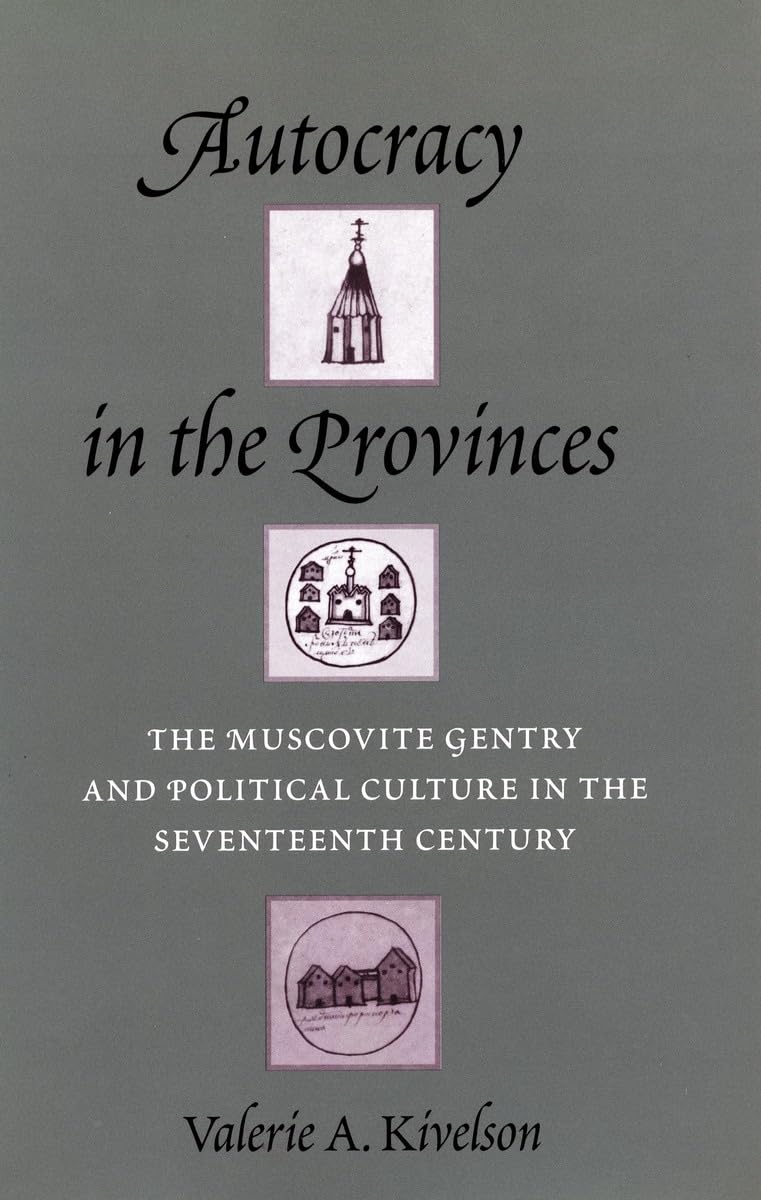
This book explores the possibilities for rich and varied social, cultural, and political development under the rule of an autocratic state. Seventeenthcentury Muscovite society was theocentric, highly traditional, largely illiterate, and deeply dependent on the state in all aspects of life, and therefore does not at all fit Western definitions of a civil society. Nevertheless, Muscovites found interstices in the overarching autocratic culture in which to conduct their own affairs as they wished. It is this arena of earlymodern social autonomy that this book investigates, focusing on the nature and limits of autonomous activity among a small but important part of Muscovite society, the provincial gentry.The author situates Muscovite history within a comparative framework, demonstrating that seventeenthcentury Russia was neither backward nor peculiar, but developed its own variant of the concurrent statebuilding processes of Western European monarchies. The authors comparisons enable us to understand and appreciate what the gentry of the Muscovite provinces did and thought, illuminating how they typified earlymodern petty nobilities, notably in attempting accommodation with rising states and carving out autonomous spaces within and beneath state control.
⚠️ WARNING (California Proposition 65):
This product may contain chemicals known to the State of California to cause cancer,
birth defects, or other reproductive harm.
For MAP (Minimum Advertised Price) violations and Intellectual Property (IP) or Trademark concerns, please contact:
support@ergodebooks.com
⚠️ California Proposition 65 Warning: Some products sold on this website may expose you to chemicals known to the State of California to cause cancer, birth defects, or other reproductive harm. For more information, visit www.P65Warnings.ca.gov.