
Title


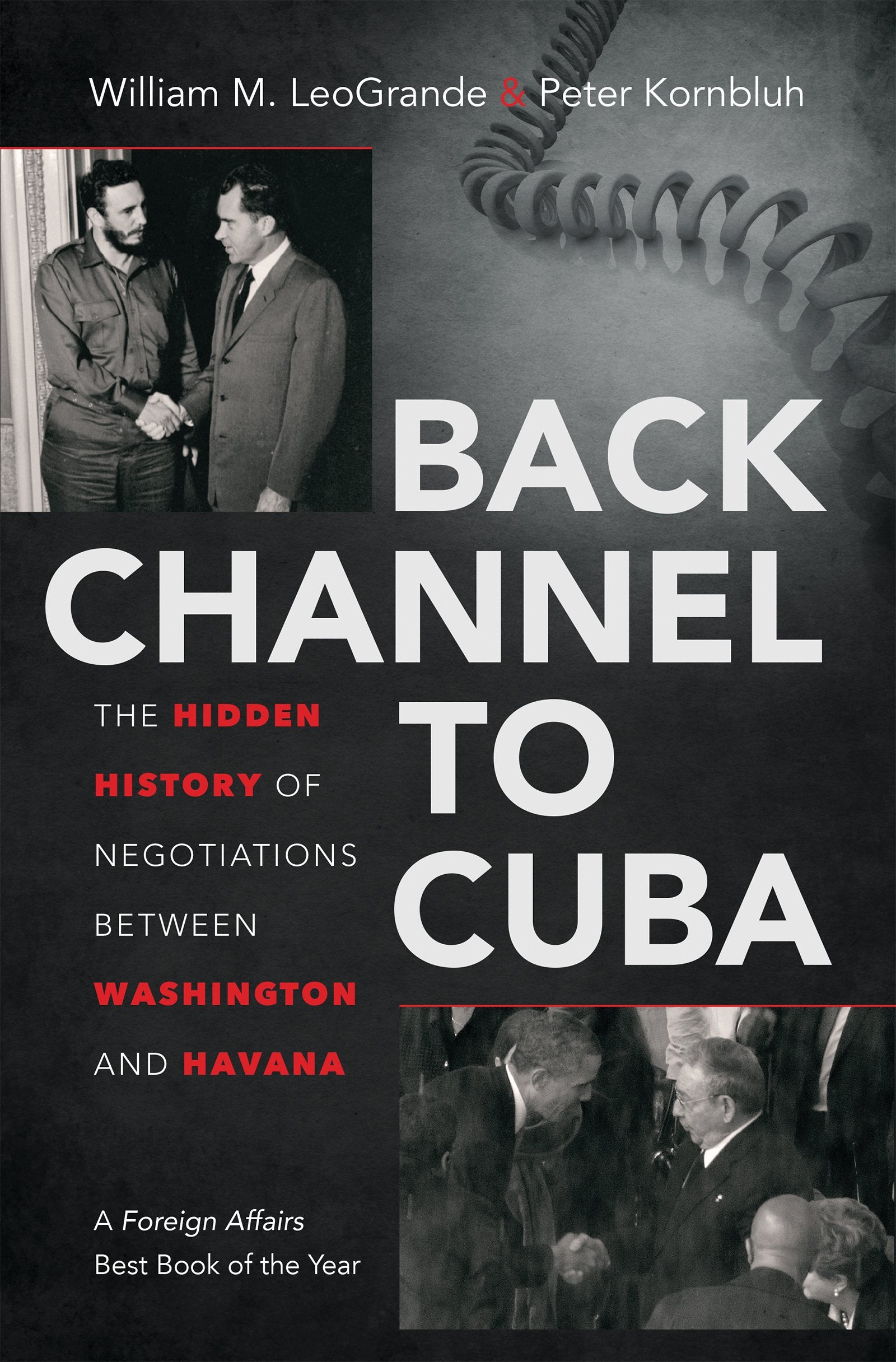
Back Channel to Cuba: The Hidden History of Negotiations between Washington and Havana,Used
Sold by Ergodebooks, an authorized reseller.
Returns accepted within 30 days | support@ergodebooks.com
Shipping Information
- Free Standard Shipping — United States only
- Processing Time: 3–5 business days
- Estimated Delivery: 6–10 business days after dispatch
- Double-boxed, fully insured & discreetly packaged
- Tracking number sent via email once dispatched
Returns & Refund
Returns accepted within 30 days of delivery.
Damaged or Defective Item
Free return shipping + replacement or full refund
Wrong Item Received
Free return shipping + replacement or full refund
Change of Mind
Return shipping at customer's expense · 25% restocking fee applies
Payment Option

NOTE: This book is original edition.History is being made in U.S.Cuban relations right now. This powerful book is essential to making sense of the new and ongoing steps towards normalization between the longtime antagonists. Challenging the conventional wisdom of perpetual hostility between the United States and Cubabeyond invasions, covert operations, assassination plots using poison pens and exploding seashells, and a grinding economic embargoBack Channel to Cuba chronicles a surprising, untold history of bilateral efforts toward rapprochement and reconciliation. Since 1959, conflict and aggression have dominated the story of the United States and Cuba. Now, William M. LeoGrande and Peter Kornbluh present a remarkably new and relevant account. From John F. Kennedy's offering of an olive branch to Fidel Castro after the missile crisis, to Henry Kissinger's top secret quest for normalization, to Barack Obama's promise of a new approach, LeoGrande and Kornbluh reveal a fiftyyear record of dialogue and negotiations, both open and furtive, indicating a path toward a world beyond the legacy of hostility.LeoGrande and Kornbluh have uncovered hundreds of formerly secret U.S. documents and conducted interviews with dozens of negotiators, intermediaries, and policy makers, including Fidel Castro and Jimmy Carter. The authors describe how, despite the intense political clamor surrounding efforts to improve relations with Havana, serious negotiations have been conducted by every presidential administration since Eisenhower's through secret, backchannel diplomacy. Including ten critical lessons for U.S. negotiators, the book offers a key perspective on the normalization process underway and illuminates a fascinating passage in U.S.Cuban relations as it happens.
⚠️ WARNING (California Proposition 65):
This product may contain chemicals known to the State of California to cause cancer, birth defects, or other reproductive harm.
For more information, please visit www.P65Warnings.ca.gov.
- Q: What is the main subject of 'Back Channel to Cuba'? A: 'Back Channel to Cuba' explores the history of negotiations between the United States and Cuba, focusing on efforts towards normalization of relations since 1959.
- Q: Who are the authors of this book? A: The book is authored by William M. LeoGrande and Peter Kornbluh.
- Q: When was 'Back Channel to Cuba' published? A: 'Back Channel to Cuba' was published on October 13, 2014.
- Q: What type of binding does this book have? A: This book is available in hardcover binding.
- Q: How many pages does 'Back Channel to Cuba' contain? A: 'Back Channel to Cuba' contains a total of 544 pages.
- Q: What is the condition of the book? A: The book is in new condition.
- Q: What edition of the book is available? A: This is the first edition of 'Back Channel to Cuba'.
- Q: What insights does the book provide regarding U.S.-Cuban relations? A: The book offers insights into the hidden history of U.S.-Cuban negotiations, including previously secret documents and interviews with key figures.
- Q: Are there any lessons for negotiators included in the book? A: Yes, the book includes ten critical lessons for U.S. negotiators based on historical experiences.
- Q: Is this book suitable for someone interested in international relations? A: Yes, 'Back Channel to Cuba' is highly relevant for those interested in international relations, diplomacy, and U.S.-Cuba history.