If you have any questions, you are always welcome to contact us. We'll get back to you as soon as possible, withing 24 hours on weekdays.
Customer service
All questions about your order, return and delivery must be sent to our customer service team by e-mail at yourstore@yourdomain.com
Sale & Press
If you are interested in selling our products, need more information about our brand or wish to make a collaboration, please contact us at press@yourdomain.com
Help
If you have any questions, you are always welcome to contact us. We'll get back to you as soon as possible, withing 24 hours on weekdays.
Customer service
All questions about your order, return and delivery must be sent to our customer service team by e-mail at yourstore@yourdomain.com
Sale & Press
If you are interested in selling our products, need more information about our brand or wish to make a collaboration, please contact us at press@yourdomain.com
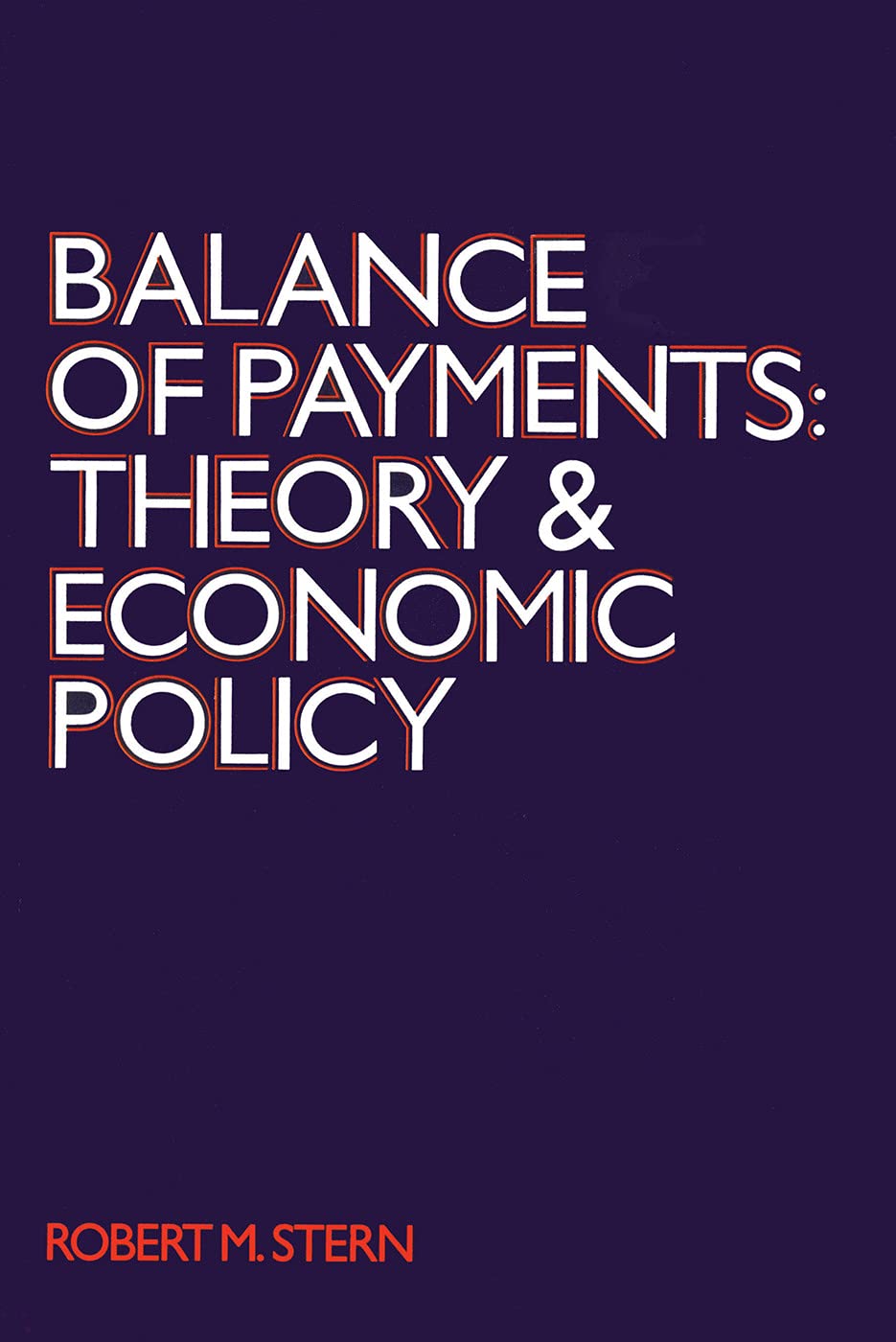
An original and systematic synthesis of the major postwar developments in theory and policy of balanceofpayments adjustment, this book focuses on the presentday system of peggedbutadjustable exchange rates and the problems that policy authorities must face if they are to attain full employment, price stability, balanceofpayments equilibrium, and a satisfactory rate of economic growth. The dominate theme of this book is that any system of exchange rates carries with it assumptions about the way it works and how effective the automatic and policymotivated forces operate to bring about equilibrium in a country's balance of payments. By analyzing balanceofpayments adjustment and policies under alternative exchangerate systems, and with different assumptions concerning the level of employment and prices, it is possible to embrace a wide variety of contemporary and historical circumstances experienced by individual countries and the world as a whole. In this way the author assesses the economic consequences of the different exchangerate systems and of the policies that countries may follow to attain their national objectives. In particular it appears to Professor Stern that the international monetary turmoil of the past ten years can be traced to the exchangerate inflexibilities of the adjustablepeg system and to the creation of excessive reserves under the dollar standard. He demonstrates that the international monetary system must be redesigned to permit greater exchangerate inflexibility and control over the creation of new international reserve assets.
⚠️ WARNING (California Proposition 65):
This product may contain chemicals known to the State of California to cause cancer,
birth defects, or other reproductive harm.
For MAP (Minimum Advertised Price) violations and Intellectual Property (IP) or Trademark concerns, please contact:
support@ergodebooks.com
⚠️ California Proposition 65 Warning: Some products sold on this website may expose you to chemicals known to the State of California to cause cancer, birth defects, or other reproductive harm. For more information, visit www.P65Warnings.ca.gov.