
Title
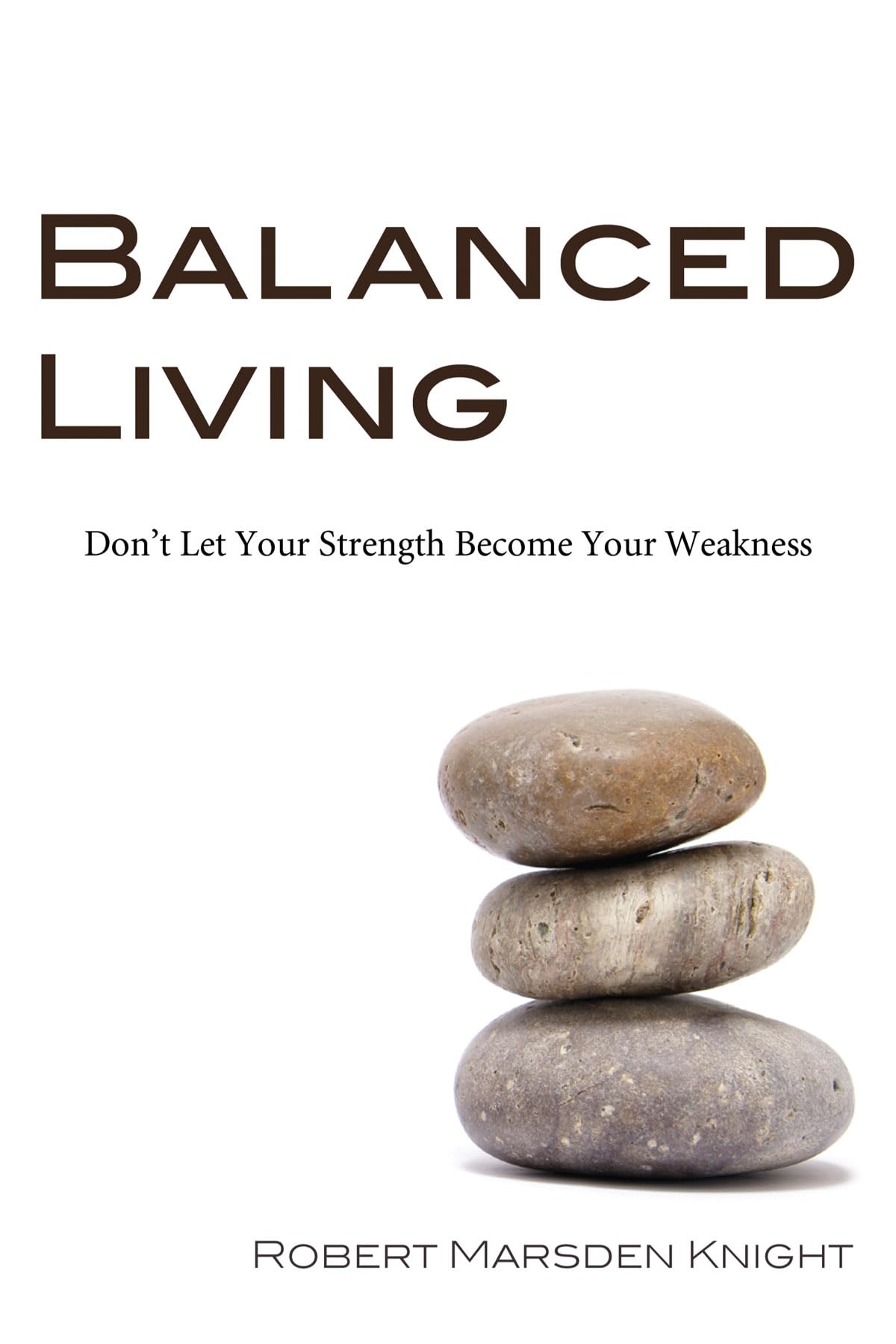
Balanced Living: Don't Let Your Strength Become Your Weakness,Used
Sold by Ergodebooks, an authorized reseller.
Returns accepted within 30 days | support@ergodebooks.com
Shipping Information
- Free Standard Shipping — United States only
- Processing Time: 3–5 business days
- Estimated Delivery: 6–10 business days after dispatch
- Double-boxed, fully insured & discreetly packaged
- Tracking number sent via email once dispatched
Returns & Refund
Returns accepted within 30 days of delivery.
Damaged or Defective Item
Free return shipping + replacement or full refund
Wrong Item Received
Free return shipping + replacement or full refund
Change of Mind
Return shipping at customer's expense · 25% restocking fee applies
Payment Option

In Balanced Living: Don't Let Your Strength Become Your Weakness, Robert Knight develops the theme of balance as central to good mental health, to moral and spiritual health, to emotional wellbeing, and to social functioning. This theme emerges from his more than thirty years of experience as a Christian minister, as a counselor, as a teacher and clinical supervisor of counselors, as well as from experience as a management and humanrelations consultant. According to Knight, when we are failing or falling, it isn't always because of some inadequacy or limitation; it is rather because we have taken a strength (or it has taken us) too fara strength that has become a weakness. The signature chapter, "Balanced Living," addresses such common tensions as success and failure. It asks: How seriously do you take yourself? What time is it in your life? Following chapters cover balanced families, balance and personality type (using the MyersBriggs Type Indicator), and balanced religion (achieving healthy moral and spiritual balance). Based on common questions, the chapter on "Counseling and Psychotherapy" guides consumers of professional counseling services. Topics include the various types of mental health service providers and theoretical approaches to counseling. The final chapter discusses human developmental models (in particular that of Erik Erikson), addresses certain values implicit in the counseling process, and treats certain theological assumptions from a HebrewChristian perspective. Mental health professionals, pastors, and others involved in helping people (as well as students preparing for such vocations) will find this book informative and challenging, perhaps even confirming. The book also engages laypersonsconsumers of professional counseling and related mental, emotional, moral, spiritual, and relational health services. Of particular value are the case studies, examples, and illustrations presented in Balanced Living: Don't Let Your Strength Become Your Weakness.
⚠️ WARNING (California Proposition 65):
This product may contain chemicals known to the State of California to cause cancer, birth defects, or other reproductive harm.
For more information, please visit www.P65Warnings.ca.gov.