If you have any questions, you are always welcome to contact us. We'll get back to you as soon as possible, withing 24 hours on weekdays.
Customer service
All questions about your order, return and delivery must be sent to our customer service team by e-mail at yourstore@yourdomain.com
Sale & Press
If you are interested in selling our products, need more information about our brand or wish to make a collaboration, please contact us at press@yourdomain.com
Help
If you have any questions, you are always welcome to contact us. We'll get back to you as soon as possible, withing 24 hours on weekdays.
Customer service
All questions about your order, return and delivery must be sent to our customer service team by e-mail at yourstore@yourdomain.com
Sale & Press
If you are interested in selling our products, need more information about our brand or wish to make a collaboration, please contact us at press@yourdomain.com
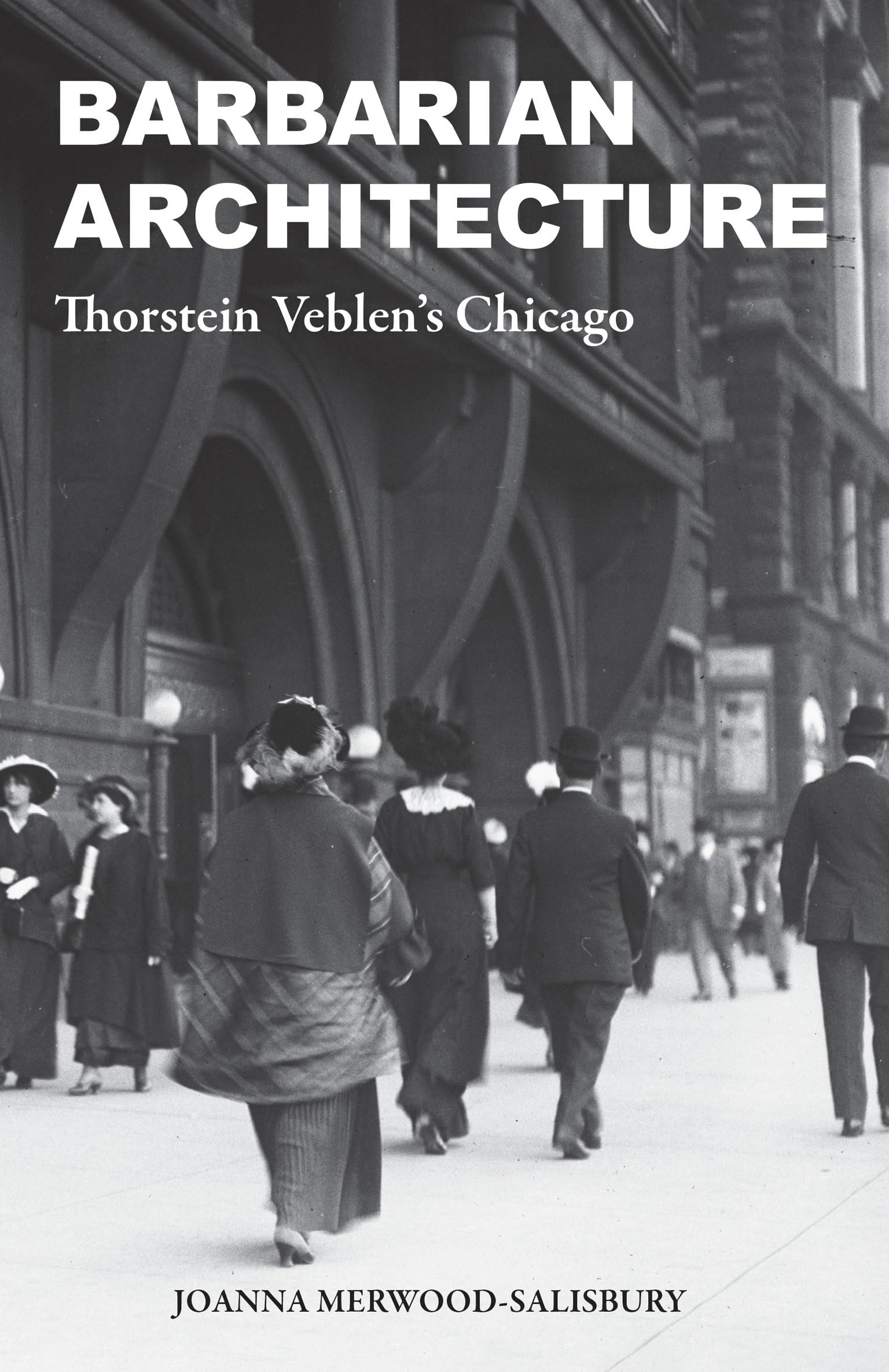
A richly visual architectural history and theory of modernity that reexamines Thorstein Veblens classic text The Theory of the Leisure Class through the lens of Chicago in the 1890s.An important critic of modern culture, American economist Thorstein Veblen is best known for the concept of conspicuous consumption, the ostentatious and wasteful display of goods in the service of social statusa term he coined in his 1899 classic The Theory of the Leisure Class. In the field of architectural history, scholars have employed Veblen in support of a wide range of arguments about modern architecture, but never has he attracted a comprehensive and critical treatment from the viewpoint of architectural history. In Barbarian Architecture, Joanna MerwoodSalisbury corrects this omission by reexamining Veblens famous book as an original theory of modernity and situating it in a particular place and timeChicago in the 1890s.MerwoodSalisbury takes her title from Veblens use of the term barbarian, which refers to his belief that Gilded Age American society was a last remnant of a barbarian state of greed and acquisitiveness. Taking an interdisciplinary approach that draws on biography, intellectual history, and historiography, she explores Veblens position in relation to debates about industrial reform and aesthetics in Chicago during the period 18901906. Bolstered by a strong visual narrative made possible by several of Chicagos historic photographic collections, Barbarian Architecture makes a compelling and original argument for the influence of Veblens home city on his work and ideas.
⚠️ WARNING (California Proposition 65):
This product may contain chemicals known to the State of California to cause cancer,
birth defects, or other reproductive harm.
For MAP (Minimum Advertised Price) violations and Intellectual Property (IP) or Trademark concerns, please contact:
support@ergodebooks.com
⚠️ California Proposition 65 Warning: Some products sold on this website may expose you to chemicals known to the State of California to cause cancer, birth defects, or other reproductive harm. For more information, visit www.P65Warnings.ca.gov.