If you have any questions, you are always welcome to contact us. We'll get back to you as soon as possible, withing 24 hours on weekdays.
Customer service
All questions about your order, return and delivery must be sent to our customer service team by e-mail at yourstore@yourdomain.com
Sale & Press
If you are interested in selling our products, need more information about our brand or wish to make a collaboration, please contact us at press@yourdomain.com
Help
If you have any questions, you are always welcome to contact us. We'll get back to you as soon as possible, withing 24 hours on weekdays.
Customer service
All questions about your order, return and delivery must be sent to our customer service team by e-mail at yourstore@yourdomain.com
Sale & Press
If you are interested in selling our products, need more information about our brand or wish to make a collaboration, please contact us at press@yourdomain.com
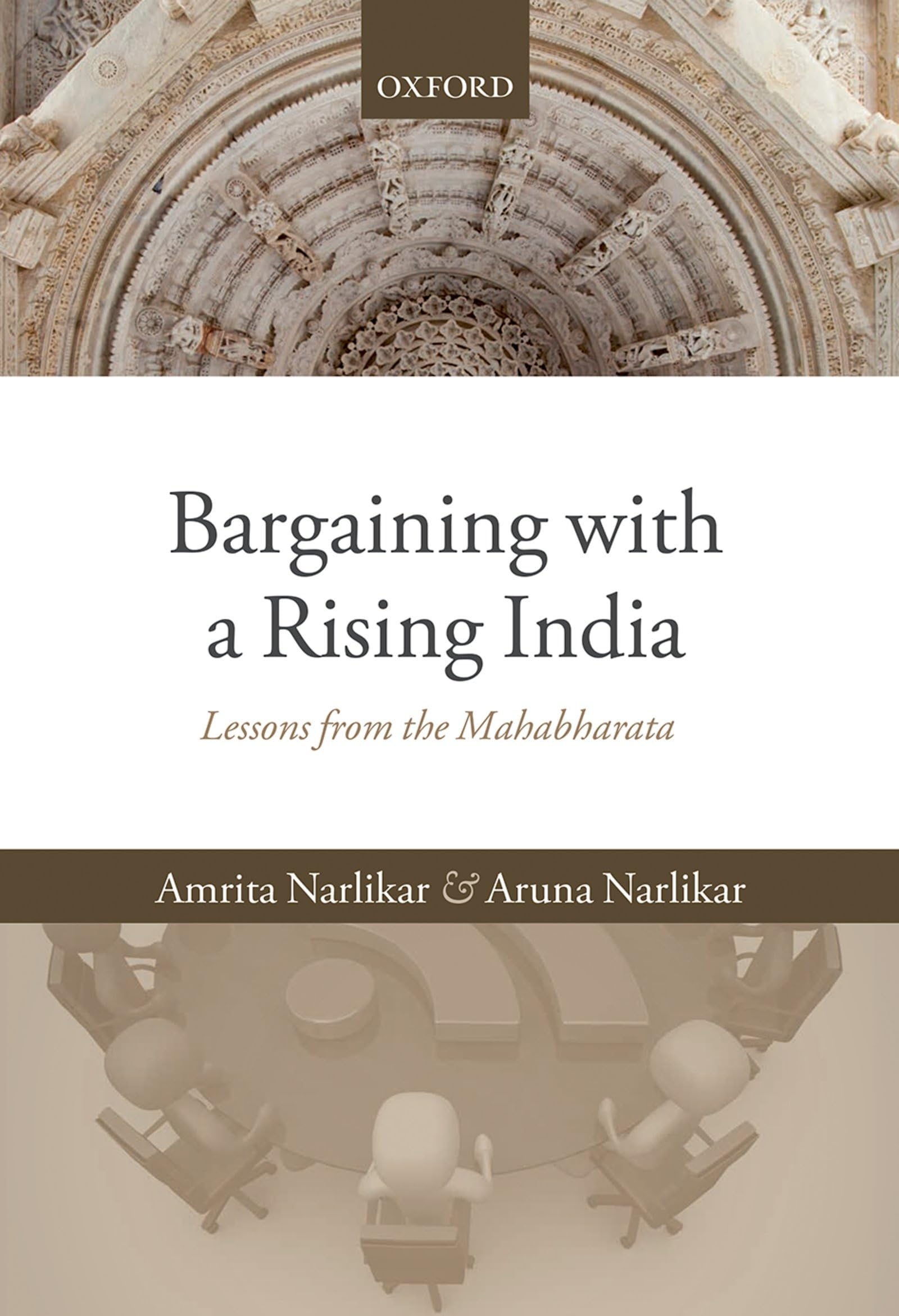
The need to negotiate effectively with India is only growing as its power rises. Understanding the negotiating culture wherein India's bargaining behaviour is embedded forms a crucial step to facilitate this process. In the literature on international negotiation, experimental studies point to specific behavioural characteristics of Indian negotiators. Empirical analyses confirm these findings, and many suggest that the sources of India's negotiation behaviour are deeprooted and culturespecific, going beyond what standard explanations of interest group politics, partisan politics, or institutional politics would suggest. But there are very few works that trace these sources. Extensive sociological and anthropological, and comparative political studies remain confined to their own fields, and do not develop their implications for Indian foreign policy or negotiation. There is a conspicuous lack of works that attempt to unpack the "negotiating culture" variable using literary sources. This book aims to fill both these gaps. It focuses on India's negotiating traditions through the lens of the classical Sanskrit text, the Mahabharata, and investigates the continuities and changes in India's negotiation behaviour as a rising power.
⚠️ WARNING (California Proposition 65):
This product may contain chemicals known to the State of California to cause cancer,
birth defects, or other reproductive harm.
For MAP (Minimum Advertised Price) violations and Intellectual Property (IP) or Trademark concerns, please contact:
support@ergodebooks.com
⚠️ California Proposition 65 Warning: Some products sold on this website may expose you to chemicals known to the State of California to cause cancer, birth defects, or other reproductive harm. For more information, visit www.P65Warnings.ca.gov.