
Title
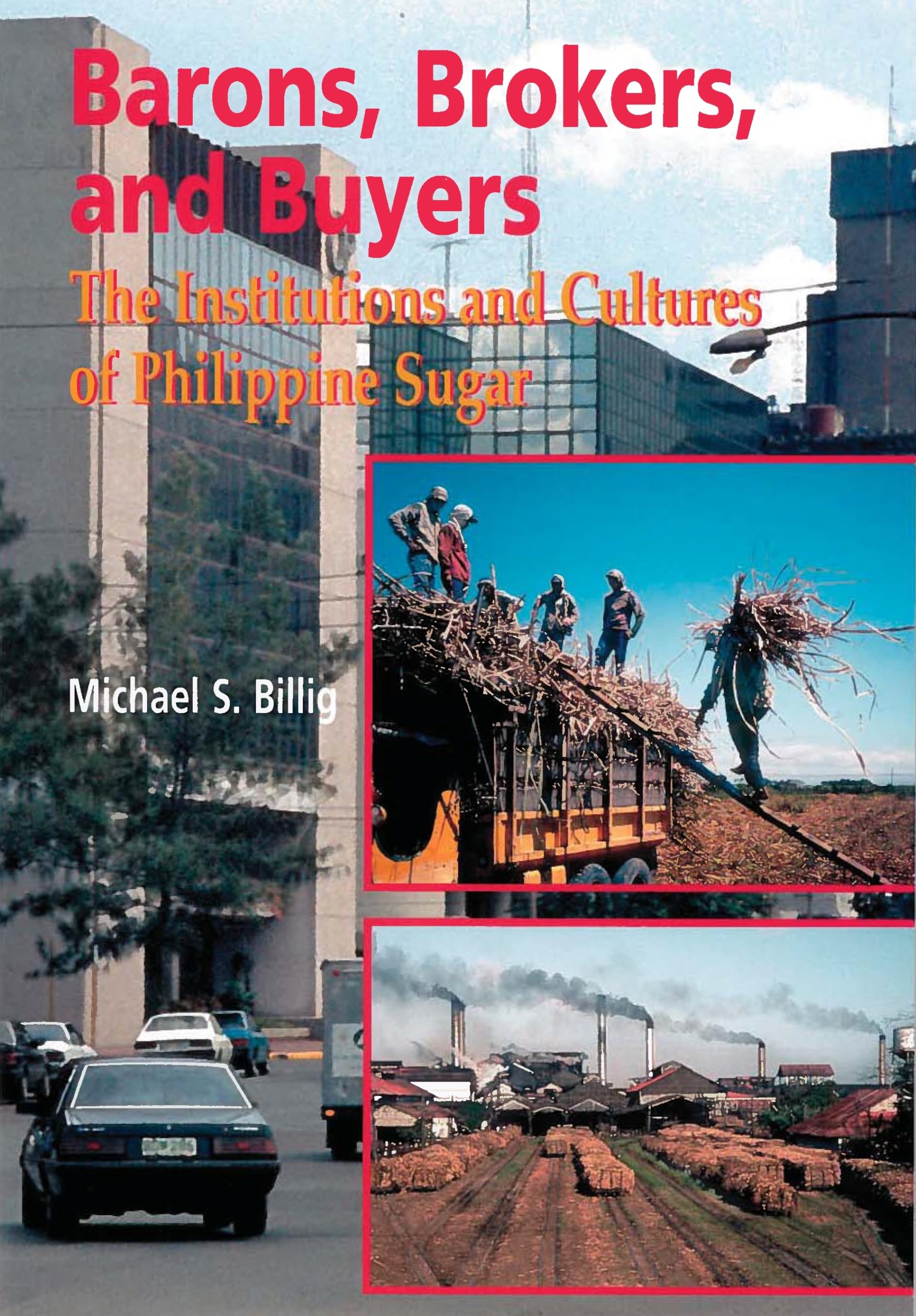
Barons, Brokers, and Buyers: The Institutions and Cultures of Philippine Sugar,Used
Sold by Ergodebooks, an authorized reseller.
Returns accepted within 30 days | support@ergodebooks.com
Shipping Information
- Free Standard Shipping — United States only
- Processing Time: 3–5 business days
- Estimated Delivery: 6–10 business days after dispatch
- Double-boxed, fully insured & discreetly packaged
- Tracking number sent via email once dispatched
Returns & Refund
Returns accepted within 30 days of delivery.
Damaged or Defective Item
Free return shipping + replacement or full refund
Wrong Item Received
Free return shipping + replacement or full refund
Change of Mind
Return shipping at customer's expense · 25% restocking fee applies
Payment Option

This innovative ethnography takes a new approach to the study of Philippine sugar. For much of the late colonial history of the Philippines, sugar was its most lucrative export, the biggest employer, and the greatest source of political influence. The socalled "Sugar Barons"wealthy hacendero planters located mainly in Central Luzon and on the Visayan island of Negrosgained the reputation as kingmakers and became noted for their lavish lifestyles and the quasifeudal nature of their estates. But Philippine sugar gradually declined into obsolescence; today it is regarded as a "sunset industry" that can barely satisfy domestic demand. While planters continue to think of themselves as wielding considerable power and influence, they are more often seen as vestiges of a bygone era.Michael Billig examines sugar's decline within both the dynamic context of contemporary Philippine society and the global context of the international sugar market. His multisited ethnographic analysis focuses mainly on conflicts among the various elite sectors (planters, millers, traders, commercial buyers, politicians) and concludes that the most salient political, economic, and cultural trend in the Philippines today is the decline of rural, agrarian elite power and the rise of urban industrial, commercial, and financial power. His reflections on his relationships with informants in the midst of the politically charged atmosphere that surrounds the sugar industry provide a candid look at the role of the observer who, try as he might to remain impartial, finds himself swept into the vortex of policy debates and power plays.
⚠️ WARNING (California Proposition 65):
This product may contain chemicals known to the State of California to cause cancer, birth defects, or other reproductive harm.
For more information, please visit www.P65Warnings.ca.gov.