
Title
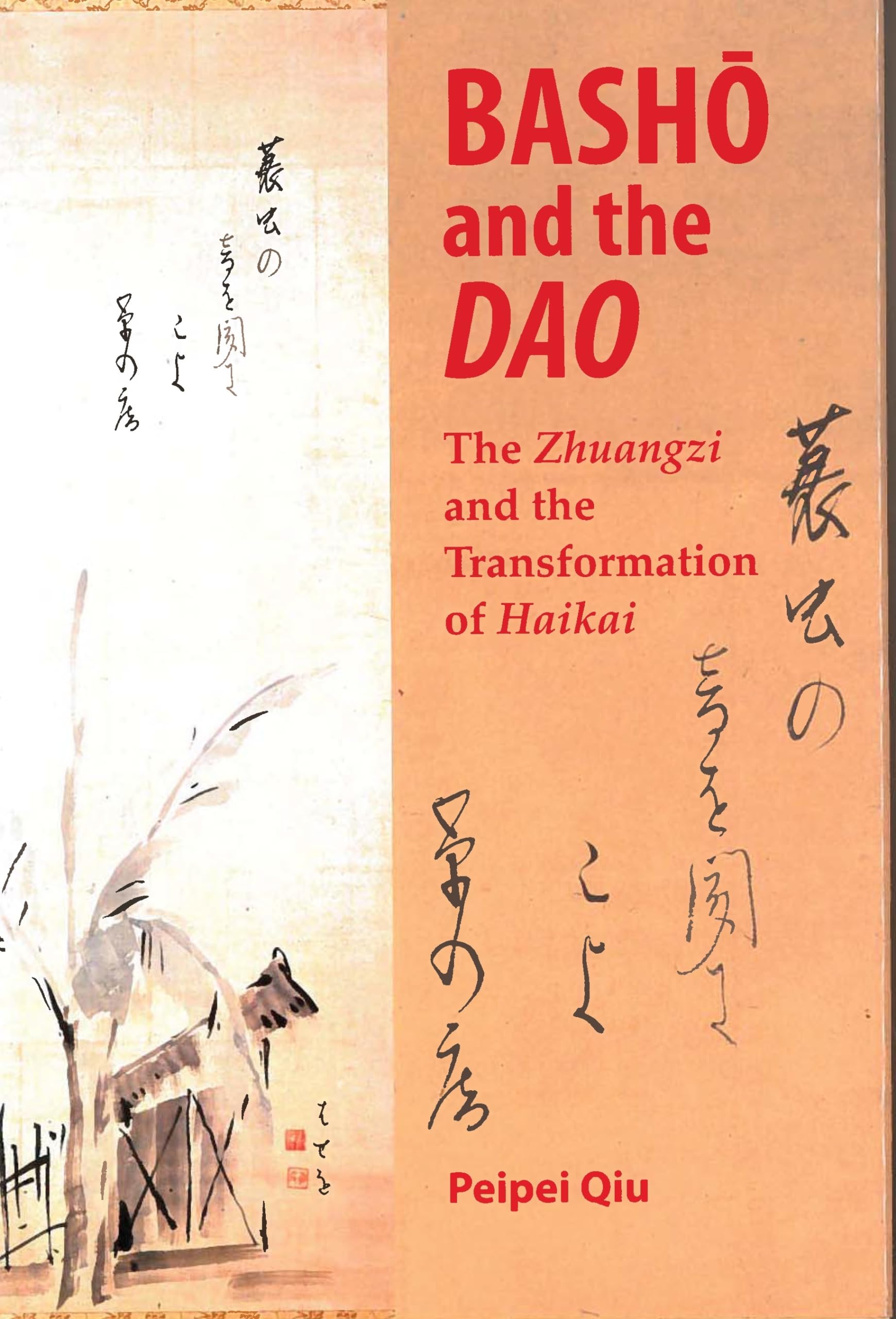
Basho and the Dao: The Zhuangzi and the Transformation of Haikai,Used
Sold by Ergodebooks, an authorized reseller.
Returns accepted within 30 days | support@ergodebooks.com
Shipping Information
- Free Standard Shipping — United States only
- Processing Time: 3–5 business days
- Estimated Delivery: 6–10 business days after dispatch
- Double-boxed, fully insured & discreetly packaged
- Tracking number sent via email once dispatched
Returns & Refund
Returns accepted within 30 days of delivery.
Damaged or Defective Item
Free return shipping + replacement or full refund
Wrong Item Received
Free return shipping + replacement or full refund
Change of Mind
Return shipping at customer's expense · 25% restocking fee applies
Payment Option

Although haiku is well known throughout the world, few outside Japan are familiar with its precursor, haikai (comic linked verse). Fewer still are aware of the role played by the Chinese Daoist classics in turning haikai into a respected literary art form. Basho and the Dao examines the haikai poets adaptation of Daoist classics, particularly the Zhuangzi, in the seventeenth century and the eventual transformation of haikai from frivolous verse to high poetry. The author analyzes haikais encounter with the Zhuangzi through its intertextual relations with the works of Basho and other major haikai poets, and also the nature and characteristics of haikai that sustained the Zhuangzis relevance to haikai poetic construction. She demonstrates how the haikai poets interest in this Daoist work was rooted in the intersection of deconstructing and reconstructing the classical Japanese poetic tradition.Well versed in both Chinese and Japanese scholarship, Qiu explores the significance of Daoist ideas in Bashos and others conceptions of haikai. Her method involves an extensive hermeneutic reading of haikai texts, an indepth analysis of the connection between Chinese and Japanese poetic terminology, and a comparison of Daoist traits in both traditions. The result is a penetrating study of key ideas that have been instrumental in defining and rediscovering the poetic essence of haikai verse.Basho and the Dao adds to an increasingly vibrant area of academic inquirythe complex literary and cultural relations between Japan and China in the early modern era. Researchers and students of East Asian literature, philosophy, and cultural criticism will find this book a valuable contribution to crosscultural literary studies and comparative aesthetics.
⚠️ WARNING (California Proposition 65):
This product may contain chemicals known to the State of California to cause cancer, birth defects, or other reproductive harm.
For more information, please visit www.P65Warnings.ca.gov.