
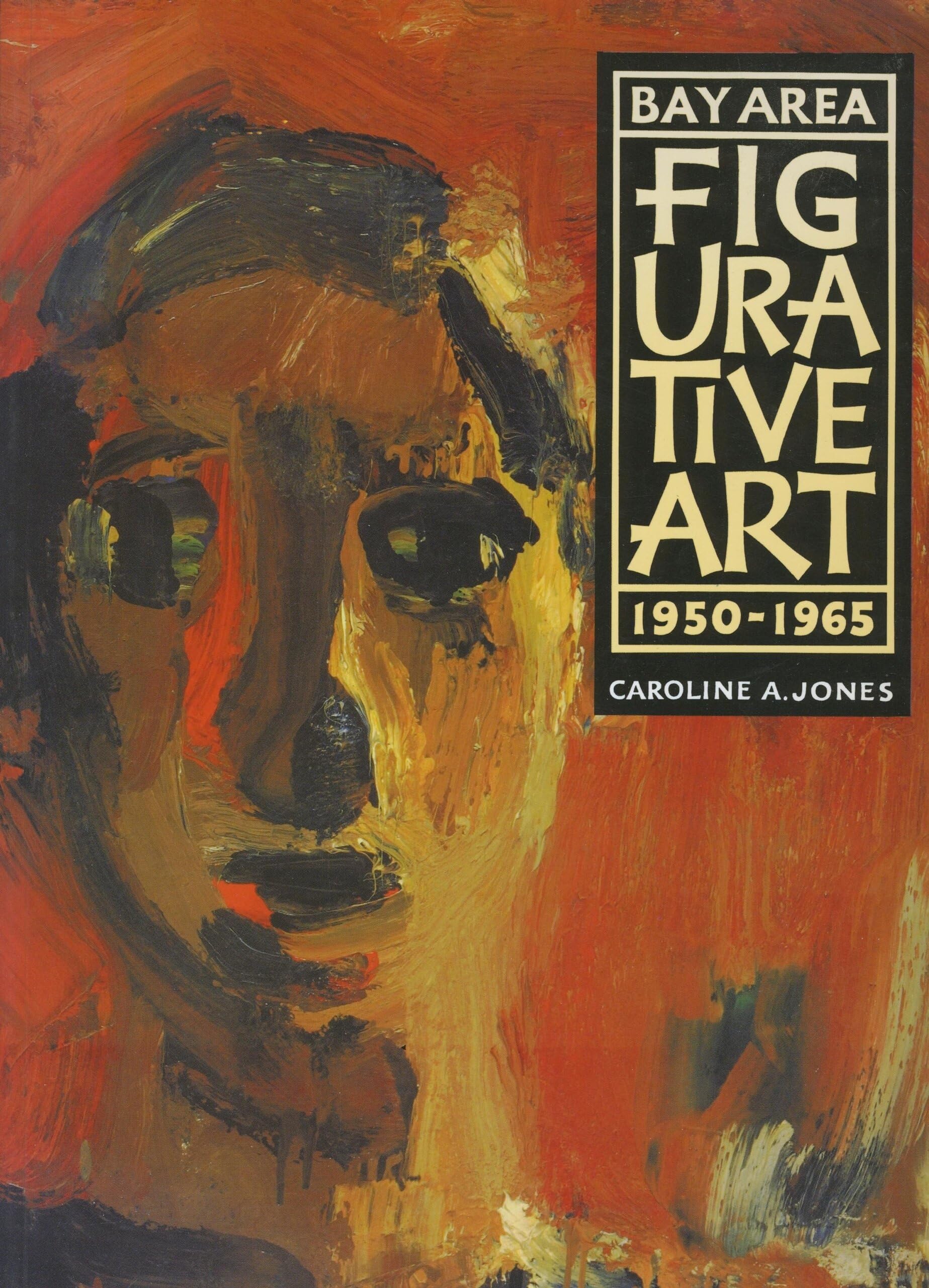
Title
Bay Area Figurative Art: 19501965
Sold by Ergodebooks, an authorized reseller.
Returns accepted within 30 days | support@ergodebooks.com
Shipping Information
- Free Standard Shipping — United States only
- Processing Time: 3–5 business days
- Estimated Delivery: 6–10 business days after dispatch
- Double-boxed, fully insured & discreetly packaged
- Tracking number sent via email once dispatched
Returns & Refund
Returns accepted within 30 days of delivery.
Damaged or Defective Item
Free return shipping + replacement or full refund
Wrong Item Received
Free return shipping + replacement or full refund
Change of Mind
Return shipping at customer's expense · 25% restocking fee applies
Payment Option

During The 1950S A Few Painters In The San Francisco Bay Area Began To Stage Personal, Dramatic Defections From The Prevailing Style Of Abstract Expressionism, Creating What Would Come To Be Known As Bay Area Figurative Art. In 1949 David Park Destroyed Many Of His Nonobjective Canvases And Began A New Style Of Consciously Naive Figuration. Soon Elmer Bischoff And Richard Diebenkorn Joined Park And Other Painters Such As Nathan Oliveira, Theophilus Brown, James Weeks, And Paul Wonner In The Move Away From Abstraction And Toward Figurative Subject Matter. When Artists Such As Bruce Mcgaw, Manuel Neri, And Joan Brown Emerged As A Second Generation Of Figurative Artists, The Momentum Grew For A Powerful New Development In American Painting.The Achievement Of Bay Area Figurative Painters And Sculptors Has Become Directly Relevant To Current Debates Regarding Abstraction And Representation, As Well As To Discourses On Modernism And Postmodernism. Indeed, The Historical Phenomenon Of The Movement Is An Important Case Study In The Evolution Of Modernism In America, Serving As An Early Example Of Rupture In The Formalist Mainstream.Bay Area Figurative Art 19501965 Was Written To Accompany An Exhibition Of The Same Name At The San Francisco Museum Of Modern Art. Based On Extensive Archival Research And Interviews, It Is The First Study Of The Movement As A Whole And Is The Broadest And Most Accurate Account Of The Careers And Interactions Of Ten Bay Area Artists Who Worked In This New Style.
⚠️ WARNING (California Proposition 65):
This product may contain chemicals known to the State of California to cause cancer, birth defects, or other reproductive harm.
For more information, please visit www.P65Warnings.ca.gov.
- Q: What is the size of the book? A: The book measures nine point zero two inches in length, zero point eight inches in width, and twelve point zero one inches in height.
- Q: How many pages does the book have? A: The book contains two hundred thirty-one pages, providing an in-depth exploration of the Bay Area Figurative Art movement.
- Q: What type of binding does this book have? A: The book is published in a paperback binding, making it flexible and easy to handle.
- Q: Who is the author of this book? A: The book is authored by Caroline A. Jones, a noted scholar in the field.
- Q: What genre does this book belong to? A: This book falls under the genre of History, focusing on art movements.
- Q: Is this book suitable for beginners in art history? A: Yes, this book is suitable for beginners as it provides a comprehensive overview of the Bay Area Figurative Art movement.
- Q: Can I use this book for academic research? A: Yes, this book is a valuable resource for academic research due to its extensive archival research and interviews.
- Q: What age group is this book appropriate for? A: The book is appropriate for adults and students interested in art history, particularly the mid-twentieth century.
- Q: How should I store this book? A: Store the book upright on a shelf in a dry, cool place to prevent damage to the binding and pages.
- Q: Is this book safe for children? A: While the book is not specifically designed for children, it contains historical content suitable for older teens and adults.
- Q: How should I clean this book if it gets dirty? A: To clean the book, gently wipe the cover with a soft, dry cloth. Avoid using water or cleaning solutions.
- Q: What if the book arrives damaged? A: If the book arrives damaged, you can return it within the seller's return policy period for a replacement or refund.
- Q: How can I get support for issues with this book? A: For support, contact the retailer's customer service for assistance with any issues related to the book.
- Q: Can this book help me understand modernism in America? A: Yes, this book provides insights into modernism and postmodernism through the lens of the Bay Area Figurative Art movement.
- Q: Does this book include interviews with artists? A: Yes, the book is based on extensive interviews with key artists involved in the Bay Area Figurative Art movement.
- Q: Is there a glossary or index in the book? A: Yes, the book includes an index to help readers navigate topics related to Bay Area Figurative Art.