
Title
Beckett At 100: Revolving It All,New
Sold by Ergodebooks, an authorized reseller.
Returns accepted within 30 days | support@ergodebooks.com
Shipping Information
- Free Standard Shipping — United States only
- Processing Time: 3–5 business days
- Estimated Delivery: 6–10 business days after dispatch
- Double-boxed, fully insured & discreetly packaged
- Tracking number sent via email once dispatched
Returns & Refund
Returns accepted within 30 days of delivery.
Damaged or Defective Item
Free return shipping + replacement or full refund
Wrong Item Received
Free return shipping + replacement or full refund
Change of Mind
Return shipping at customer's expense · 25% restocking fee applies
Payment Option

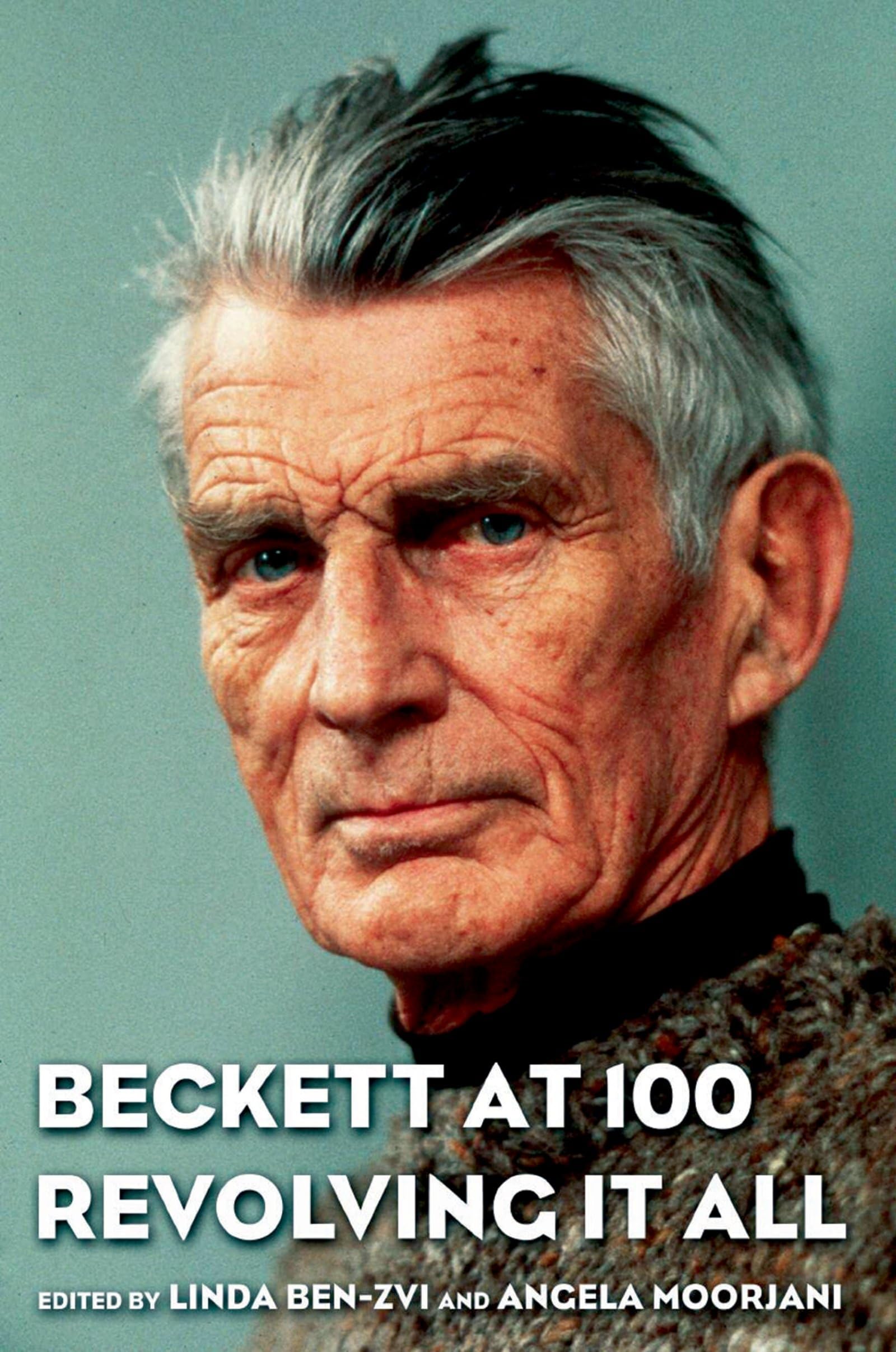
The year 2006 marked the centenary of the birth of NobelPrize winning playwright and novelist Samuel Beckett. To commemorate the occasion, this collection brings together twentythree leading international Beckett scholars from ten countries, who take on the centenary challenge of 'revolving it all': that is, going 'back to Beckett'the title of an earlier study by critic Ruby Cohn, to whom the book is dedicatedin order to rethink traditional readings and theories; provide new contexts and associations; and reassess his impact on the modern imagination and legacy to future generations.These original essays, most first presented by the Samuel Beckett Working Group at the Dublin centenary celebration, are divided into three sections: (1) Thinking through Beckett, (2) Shifting Perspectives, and (3) Echoing Beckett. As repeatedly in his canon, images precede words. The book opens with stills from films of experimental filmmaker Peter Gidal and unpublished excerpts from Beckett's 193637 German Travel Diaries, presented by Beckett biographer James Knowlson, with permission from the Beckett estate.Renowned director and theatre theoretician Herbert Blau follows with his personal Beckett 'thinking through.' Others in Part I explore Beckett and philosophy (Abbott), the influences of Bergson (Gontarski) and Leibniz (Mori), Beckett and autobiography (Locatelli), and Agamben on postHolocaust testimony (Jones). Essays in Part II recontextualize Beckett's works in relation to iconography (Moorjani), film theoretician Rudolf Arnheim (Engelberts), Marshall McLuhan (BenZvi), exilic writing (McMullan), Pierre Bourdieu's literary field (Siess), romanticism (Brater), social theorists Adorno and Horkheimer (DeganiRaz), and performance issues (RodrguezGago). Part III relates Beckett's writing to that of Yeats (Okamuro), Paul Auster (Campbell), Caryl Churchill (Diamond), William Saroyan (Bryden), Minoru Betsuyaku and Harold Pinter (Tanaka) and Morton Feldman and Jasper Johns (Laws). Finally, Beckett himself becomes a character in other playwrights' works (Zeifman). Taken together these essays make a clear case for the challenges and rewards of thinking through Beckett in his second century.
⚠️ WARNING (California Proposition 65):
This product may contain chemicals known to the State of California to cause cancer, birth defects, or other reproductive harm.
For more information, please visit www.P65Warnings.ca.gov.