
Title
Becoming Black: Creating Identity In The African Diaspora,Used
Sold by Ergodebooks, an authorized reseller.
Returns accepted within 30 days | support@ergodebooks.com
Shipping Information
- Free Standard Shipping — United States only
- Processing Time: 3–5 business days
- Estimated Delivery: 6–10 business days after dispatch
- Double-boxed, fully insured & discreetly packaged
- Tracking number sent via email once dispatched
Returns & Refund
Returns accepted within 30 days of delivery.
Damaged or Defective Item
Free return shipping + replacement or full refund
Wrong Item Received
Free return shipping + replacement or full refund
Change of Mind
Return shipping at customer's expense · 25% restocking fee applies
Payment Option

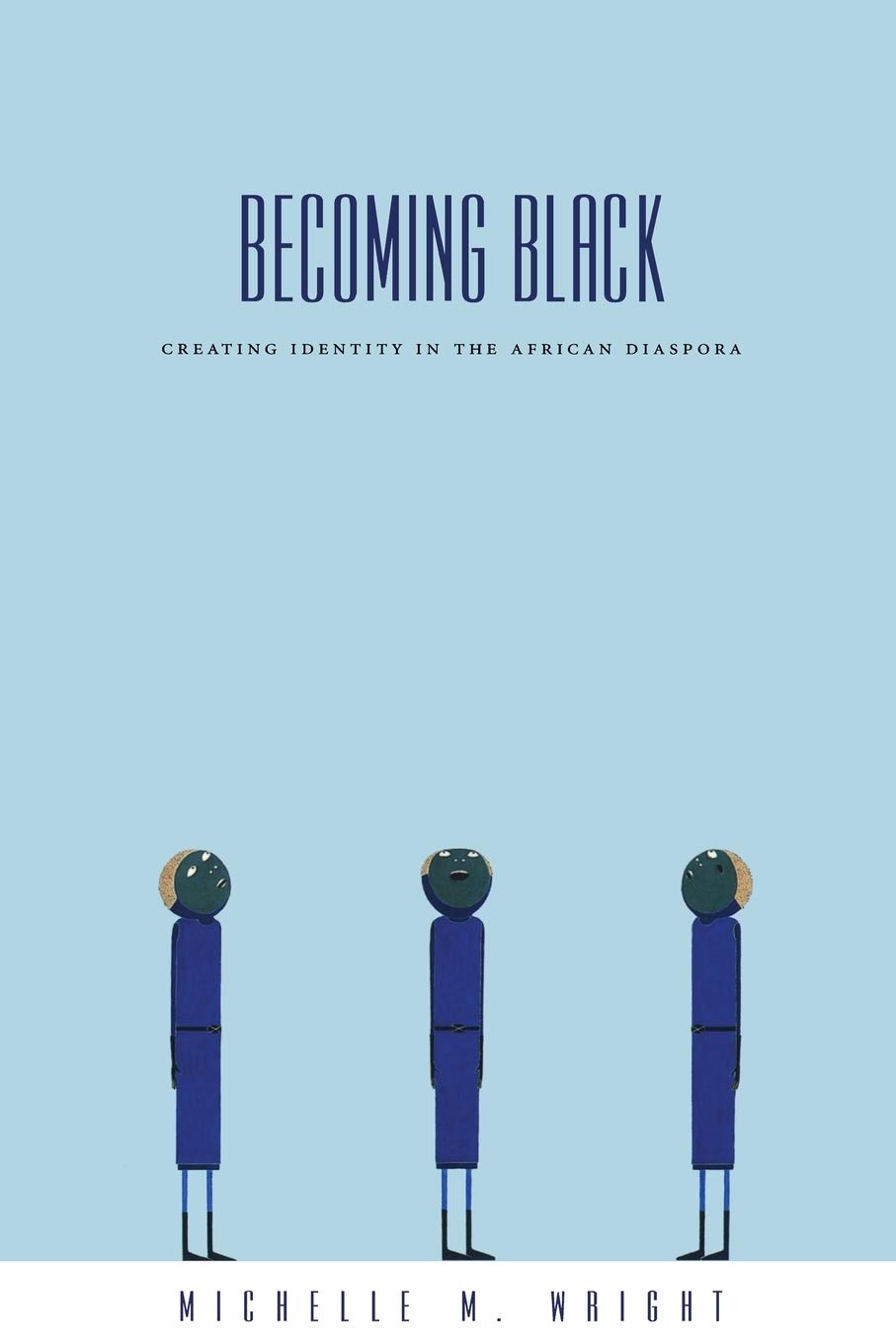
Becoming Black is a powerful theorization of Black subjectivity throughout the African diaspora. In this unique comparative study, Michelle M. Wright discusses the commonalties and differences in how Black writers and thinkers from the United States, the Caribbean, Africa, France, Great Britain, and Germany have responded to white European and American claims about Black consciousness. As Wright traces more than a century of debate on Black subjectivity between intellectuals of African descent and white philosophers, she also highlights how feminist writers have challenged patriarchal theories of Black identity.Wright argues that three nineteenthcentury American and European works addressing raceThomas Jeffersons Notes on the State of Virginia, G. W. F. Hegels Philosophy of History, and Count Arthur de Gobineaus Essay on the Inequality of the Human Raceswere particularly influential in shaping twentiethcentury ideas about Black subjectivity. She considers these treatises in depth and describes how the revolutionary Black thinkers W. E. B. Du Bois, Aim Csaire, Lopold Sdar Senghor, and Frantz Fanon countered the theories they promulgated. She explains that while Du Bois, Csaire, Senghor, and Fanon rejected the racist ideologies of Jefferson, Hegel, and Gobineau, for the most part they did so within what remained a nationalist, patriarchal framework. Such persistent nationalist and sexist ideologies were later subverted, Wright shows, in the work of Black women writers including Carolyn Rodgers and Audre Lorde and, more recently, the British novelists Joan Riley, Naomi King, Jo Hodges, and Andrea Levy. By considering diasporic writing ranging from Du Bois to Lorde to the contemporary African novelists Simon Njami and Daniel Biyaoula, Wright reveals Black subjectivity as rich, varied, and always evolving.
⚠️ WARNING (California Proposition 65):
This product may contain chemicals known to the State of California to cause cancer, birth defects, or other reproductive harm.
For more information, please visit www.P65Warnings.ca.gov.