
Title
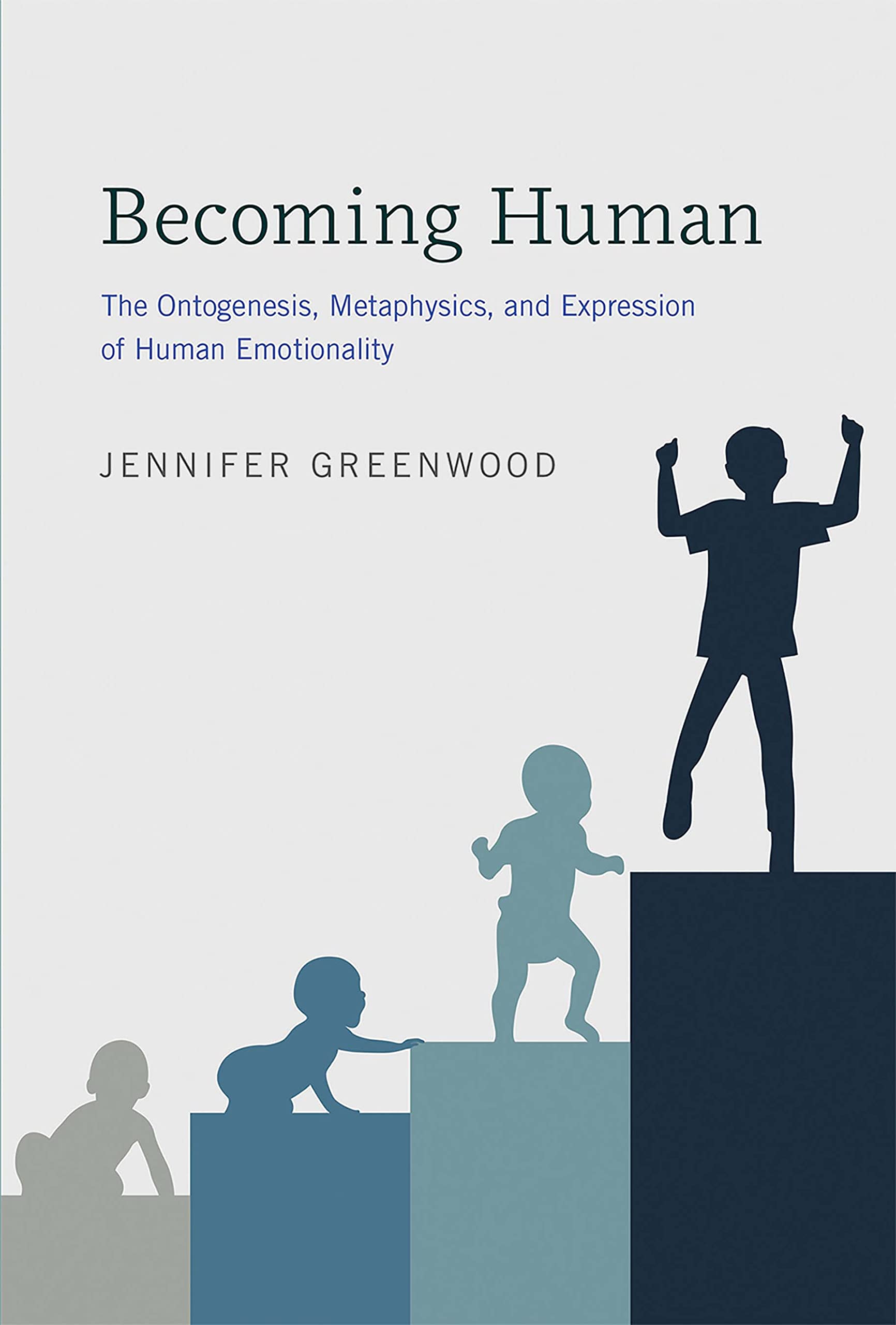
Becoming Human: The Ontogenesis, Metaphysics, and Expression of Human Emotionality (Life and Mind: Philosophical Issues in Biolo,Used
Sold by Ergodebooks, an authorized reseller.
Returns accepted within 30 days | support@ergodebooks.com
Shipping Information
- Free Standard Shipping — United States only
- Processing Time: 3–5 business days
- Estimated Delivery: 6–10 business days after dispatch
- Double-boxed, fully insured & discreetly packaged
- Tracking number sent via email once dispatched
Returns & Refund
Returns accepted within 30 days of delivery.
Damaged or Defective Item
Free return shipping + replacement or full refund
Wrong Item Received
Free return shipping + replacement or full refund
Change of Mind
Return shipping at customer's expense · 25% restocking fee applies
Payment Option

A novel, wideranging, and comprehensive account of how human emotionality develops, proposing a process in which nature and nurture are integrated.In Becoming Human, Jennifer Greenwood proposes a novel theory of the development of human emotionality. In doing so, she makes important contributions to the naturenurture debate in emotion theory and the intracranialisttranscranialist debate in philosophy of mind. Greenwood shows that the distinction between nature and nurture is unfounded; biological and cultural resources are deeply functionally integrated throughout the developmental process. She also shows that human emotional and language development are transcranialist achievements; human ontogenesis takes place in extended cognitive systems that include environmental, technological, and sociocultural resources. Greenwood tells the story of how each of us becomes a full human being: how human brains are constructed and how these brains acquire their contents through massive epigenetic scaffolding.After an introduction in which she explains the efficiency of the human newborn as a learning machine, Greenwood reviews traditional and contemporary theories of emotion, highlighting both strengths and limitations. She addresses the intracranialisttranscranialist debate, arguing that transcranialists have failed to answer important intracranialist objections; describes the depth of the functional integration of intraneural and external resources in emotional ontogenesis; examines early behavior patterns that provide the basis for the development of language; explains the biosemantic theory of representational content, and the wider cognitive systems that define it; and argues that language production and comprehension are always context dependent. Finally, in light of the deep and complex functional integration of neural, corporeal, and sociocultural resources in human ontogenesis, she recommends a multidisciplinary, collaborative approach for future research.
⚠️ WARNING (California Proposition 65):
This product may contain chemicals known to the State of California to cause cancer, birth defects, or other reproductive harm.
For more information, please visit www.P65Warnings.ca.gov.