
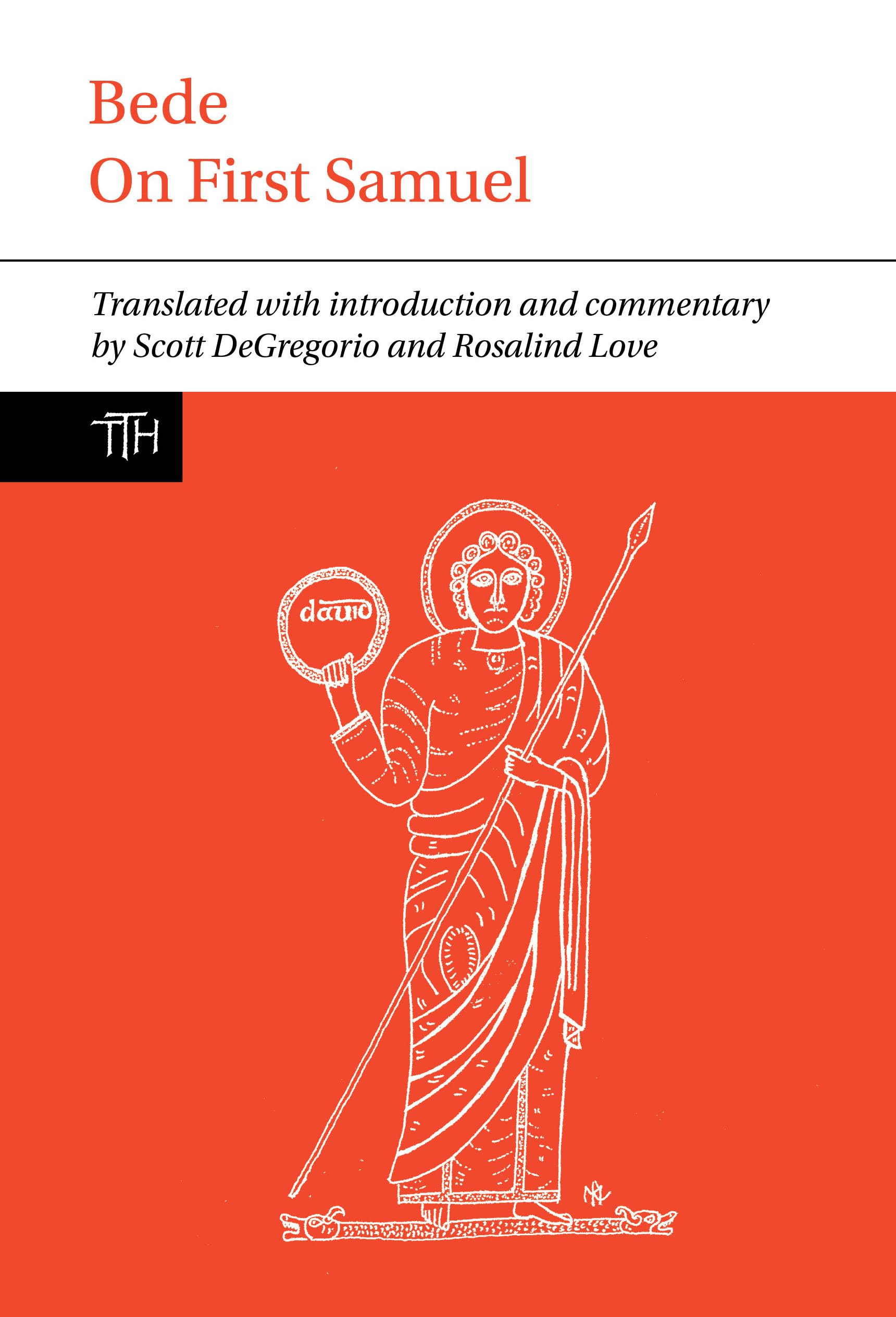
Title
Bede: On First Samuel (Translated Texts for Historians, 70),Used
Sold by Ergodebooks, an authorized reseller.
Returns accepted within 30 days | support@ergodebooks.com
Shipping Information
- Free Standard Shipping — United States only
- Processing Time: 3–5 business days
- Estimated Delivery: 6–10 business days after dispatch
- Double-boxed, fully insured & discreetly packaged
- Tracking number sent via email once dispatched
Returns & Refund
Returns accepted within 30 days of delivery.
Damaged or Defective Item
Free return shipping + replacement or full refund
Wrong Item Received
Free return shipping + replacement or full refund
Change of Mind
Return shipping at customer's expense · 25% restocking fee applies
Payment Option

The Old Testament book 1 Samuel (known as 1 Kings in modern Bibles) contains one of the most dramatic stories in the Old Testament, with its tense narrative about Israels first attempts to govern itself by kingship, and a cast of famous characters who drive the story the priest and prophet Samuel, the tragic figure of King Saul, and chiefly David himself, the youngest son of Jesse, who slays the Philistines champion, Goliath, and gains Gods favour in replacement for Saul.The Venerable Bede (672735 AD), AngloSaxon Englands foremost interpreter of the Bible, wrote many commentaries on the Old Testament, but his treatment of 1 Samuel stands out in particular: it is one of his longest commentaries, one of his first sustained attempts to deal with the Old Testament without support from an earlier commentary, and one of the few commentaries he wrote that can be dated precisely. Bede sets out to read the story of 1 Samuel as full of details which demonstrate the prophetic nature of Old Testament history, an attempt that is boldly experimental in its application of the allegorical method of interpretation.Historically, the commentary is of special interest for its detailed reference to the departure of Abbot Ceolfrith from WearmouthJarrow in June 716 AD, which has allowed scholarship to firmly date the work and explore some potential links to the turbulent political scene in Northumbria that marked that decade. This English translation is the first rendering of the Latin into another language. The translation is preceded by a substantial introduction that places the work in the context of Bedes oeuvre, discusses his sources and exegetical methods, and offers a reading of the works contemporary context in the light of current scholarly debate.
⚠️ WARNING (California Proposition 65):
This product may contain chemicals known to the State of California to cause cancer, birth defects, or other reproductive harm.
For more information, please visit www.P65Warnings.ca.gov.