
Title
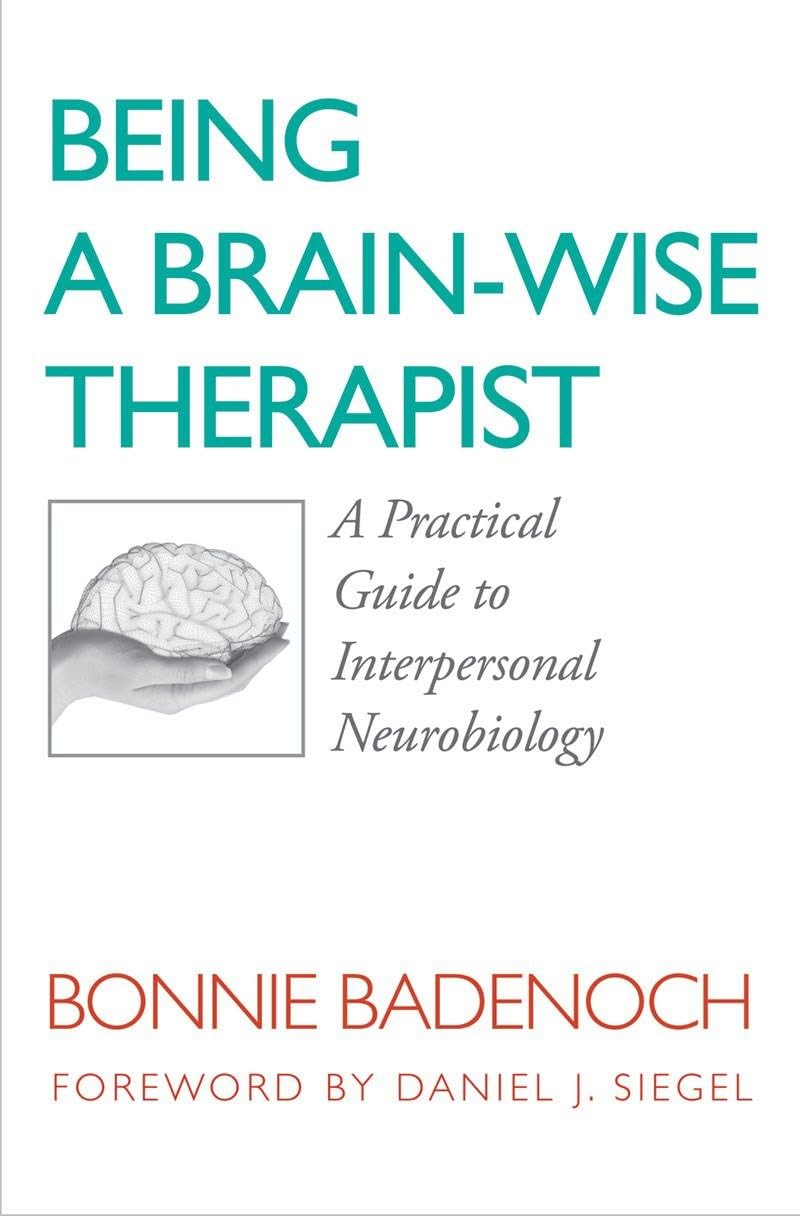
Being A Brainwise Therapist: A Practical Guide To Interpersonal Neurobiology (Norton Series On Interpersonal Neurobiology)
Sold by Ergodebooks, an authorized reseller.
Returns accepted within 30 days | support@ergodebooks.com
Shipping Information
- Free Standard Shipping — United States only
- Processing Time: 3–5 business days
- Estimated Delivery: 6–10 business days after dispatch
- Double-boxed, fully insured & discreetly packaged
- Tracking number sent via email once dispatched
Returns & Refund
Returns accepted within 30 days of delivery.
Damaged or Defective Item
Free return shipping + replacement or full refund
Wrong Item Received
Free return shipping + replacement or full refund
Change of Mind
Return shipping at customer's expense · 25% restocking fee applies
Payment Option

This Book, Part Of The Acclaimed Norton Series On Interpersonal Neurobiology, Brings Interpersonal Neurobiology Into The Counseling Room, Weaving The Concepts Of Neurobiology Into The Everchanging Flow Of Therapy. Neuroscientific Discoveries Have Begun To Illuminate The Workings Of The Active Brain In Intricate Detail. In Fact, Sometimes It Seems That In Order To Be A Cuttingedge Therapist, Not Only Do You Need Knowledge Of Traditional Psychotherapeutic Models, But A Solid Understanding Of The Role The Brain Plays As Well. But Theory Is Never Enough. You Also Need To Know How To Apply The Theories To Work With Actual Clients During Sessions.In Easytounderstand Prose, Being A Brainwise Therapist Reviews The Basic Principles About Brain Structure, Function, And Development, And Explains The Neurobiological Correlates Of Some Familiar Diagnostic Categories. You Will Learn How To Make Theory Come To Life In The Midst Of Clinical Work, So That The Principles Of Interpersonal Neurobiology Can Be Applied To A Range Of Patients And Issues, Such As Couples, Teens, And Children, And Those Dealing With Depression, Anxiety, And Other Disorders. Liberal Use Of Exercises And Case Histories Enliven The Material And Make This An Essential Guide For Seamlessly Integrating The Latest Neuroscientific Research Into Your Therapeutic Practice.
⚠️ WARNING (California Proposition 65):
This product may contain chemicals known to the State of California to cause cancer, birth defects, or other reproductive harm.
For more information, please visit www.P65Warnings.ca.gov.
- Q: How many pages does the book have? A: This book has three hundred eighty-four pages. It provides a comprehensive overview of interpersonal neurobiology within therapeutic contexts.
- Q: What is the size of the book? A: The book measures six point two inches in length, one point one inches in width, and nine point three inches in height. This makes it a convenient size for reading and handling.
- Q: What type of binding does this book have? A: The book is available in paperback binding. This type of binding is lightweight and flexible for easy reading.
- Q: Who is the author of the book? A: The author of this book is Bonnie Badenoch. She is known for her expertise in interpersonal neurobiology and therapy.
- Q: What category does this book belong to? A: This book falls under the category of neuropsychology. It addresses the intersection of neuroscience and therapeutic practices.
- Q: Is this book suitable for beginners in therapy? A: Yes, this book is suitable for beginners. It presents complex neurobiological concepts in an accessible manner, suitable for new therapists.
- Q: Can this book help with anxiety and depression? A: Yes, it offers insights into applying neurobiological principles to issues like anxiety and depression. This makes it a valuable resource for therapists working with these conditions.
- Q: What age group is this book appropriate for? A: This book is appropriate for adult readers, especially those studying or practicing therapy. It is designed for professionals in mental health.
- Q: How can I integrate the theories from the book into my practice? A: You can integrate the theories by applying the exercises and case histories provided throughout the book. These practical examples demonstrate how to incorporate neurobiological insights into therapy sessions.
- Q: What should I do to keep the book in good condition? A: To keep the book in good condition, store it in a dry place away from direct sunlight. Handling it gently will also preserve its binding and pages.
- Q: Is there a warranty or return policy for this book? A: Yes, most retailers offer a return policy for books. Check with the specific retailer for their warranty and return guidelines.
- Q: What if my book arrives damaged? A: If your book arrives damaged, you should contact the retailer for their return or exchange policy. Most retailers will assist you in resolving the issue promptly.
- Q: Can I share the insights from this book with my colleagues? A: Yes, sharing insights from this book with colleagues is encouraged. The concepts are designed to enhance therapeutic practices and discussions.
- Q: Does this book cover the latest neuroscientific research? A: Yes, the book integrates the latest neuroscientific research into therapeutic practices. It provides updated information on brain function relevant to therapy.
- Q: Is this book recommended for advanced therapists? A: Yes, advanced therapists will find it beneficial. It offers deep insights into neurobiology that can enhance existing therapeutic techniques.
- Q: How can I apply the exercises in the book? A: You can apply the exercises by practicing them in your therapy sessions. They are designed to be interactive and relevant to real client scenarios.