
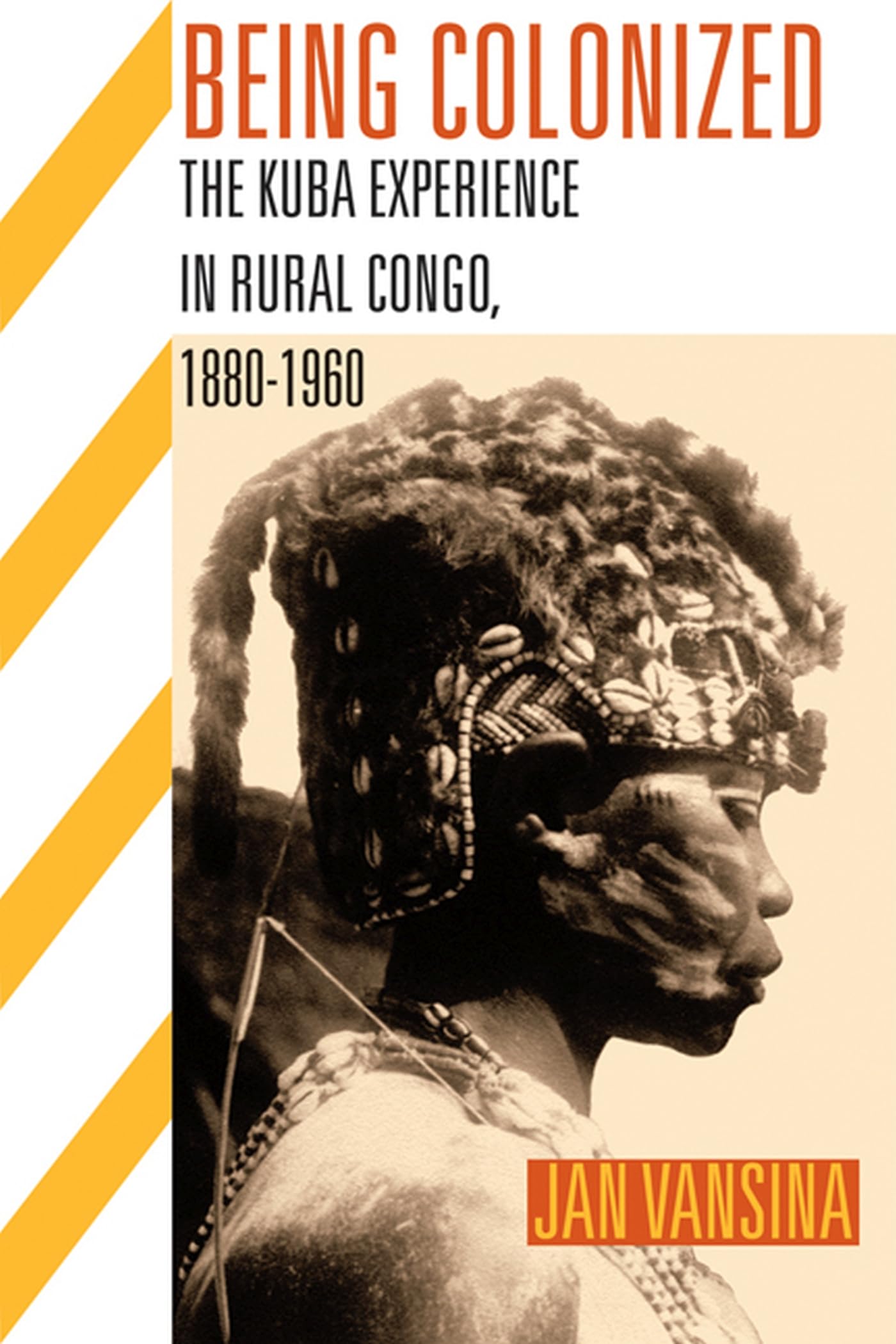
Title

Being Colonized: The Kuba Experience In Rural Congo, 18801960 (Africa And The Diaspora: History, Politics, Culture)
Sold by Ergodebooks, an authorized reseller.
Returns accepted within 30 days | support@ergodebooks.com
Shipping Information
- Free Standard Shipping — United States only
- Processing Time: 3–5 business days
- Estimated Delivery: 6–10 business days after dispatch
- Double-boxed, fully insured & discreetly packaged
- Tracking number sent via email once dispatched
Returns & Refund
Returns accepted within 30 days of delivery.
Damaged or Defective Item
Free return shipping + replacement or full refund
Wrong Item Received
Free return shipping + replacement or full refund
Change of Mind
Return shipping at customer's expense · 25% restocking fee applies
Payment Option

What Was It Like To Be Colonized By Foreigners? Highlighting A Region In Central Congo, In The Center Of Subsaharan Africa, Being Colonized Places Africans At The Heart Of The Story. In A Richly Textured History That Will Appeal To General Readers And Students As Well As To Scholars, The Distinguished Historian Jan Vansina Offers Not Just Accounts Of Colonial Administrators, Missionaries, And Traders, But The Varied Voices Of A Colonized People. Vansina Uncovers The History Revealed In Local News, Customs, Gossip, And Even Dreams, As Related By African Villagers Through Archival Documents, Material Culture, And Oral Interviews.Vansinas Case Study Of The Colonial Experience Is The Realm Of Kuba, A Kingdom In Congo About The Size Of New Jerseyand Twothirds The Size Of Its Colonial Master, Belgium. The Experience Of Its Inhabitants Is The Story Of Colonialism, From Its Earliest Manifestations To Its Tumultuous End. What Happened In Kuba Happened To Varying Degrees Throughout Africa And Other Colonized Regions: Racism, Economic Exploitation, Indirect Rule, Christian Conversion, Modernization, Disease And Healing, And Transformations In Gender Relations. The Kuba, Like Others, Took Their Own Active Part In History, Responding To The Changes And Calamities That Colonization Set In Motion. Vansina Follows The Regions Inhabitants From The Late Nineteenth Century To The Middle Of The Twentieth Century, When A New Elite Emerged On The Eve Of Congos Dramatic Passage To Independence.
⚠️ WARNING (California Proposition 65):
This product may contain chemicals known to the State of California to cause cancer, birth defects, or other reproductive harm.
For more information, please visit www.P65Warnings.ca.gov.
- Q: How many pages does this book have? A: This book contains three hundred forty-eight pages. It provides an in-depth look at the colonial experience in the Kuba region of Congo.
- Q: What is the binding type of this book? A: This book is a paperback edition. Paperback bindings are flexible and lightweight, making them ideal for casual reading.
- Q: What are the dimensions of this book? A: The dimensions of this book are six inches in length, one inch in width, and nine point zero two inches in height. These measurements make it easy to handle and store.
- Q: What is the reading level of this book? A: This book is suitable for general readers, students, and scholars. It effectively communicates complex historical themes in an accessible manner.
- Q: Is this book appropriate for educational use? A: Yes, this book is appropriate for educational purposes. It serves as an excellent resource for history classes focusing on colonialism and African studies.
- Q: How should I store this book? A: Store this book in a cool, dry place away from direct sunlight. Proper storage helps maintain the book's condition over time.
- Q: Is there any specific care required for this book? A: No specific care is required, but handling it gently can prevent wear and tear. It is advisable to keep it on a shelf or in a protective case.
- Q: Can this book be read by children? A: Yes, it can be read by older children, particularly those interested in history. However, parental guidance may be beneficial due to mature themes.
- Q: What topics does this book cover? A: This book covers colonialism, cultural transformation, and the experiences of the Kuba people. It provides diverse perspectives on the impact of colonization.
- Q: What makes this book different from other history books? A: This book uniquely centers African voices in the narrative of colonization. It combines traditional historical research with oral histories and material culture.
- Q: What if I receive a damaged book? A: If you receive a damaged book, contact customer support immediately. Most retailers have return policies to address such issues.
- Q: Is there a warranty for this book? A: No, books typically do not come with a warranty. However, many retailers offer return options for faulty products.
- Q: What should I do if I have questions about the content? A: If you have questions about the content, consider reaching out to a librarian or a history teacher for guidance. They can help clarify complex themes.
- Q: Is this book suitable for academic research? A: Yes, this book is suitable for academic research. It includes extensive references and engages with scholarly discourse on colonial history.
- Q: How can I enhance my understanding of this book? A: To enhance understanding, consider reading supplementary materials on Congo's history or discussing it with peers. Group discussions can deepen insights.