
Title
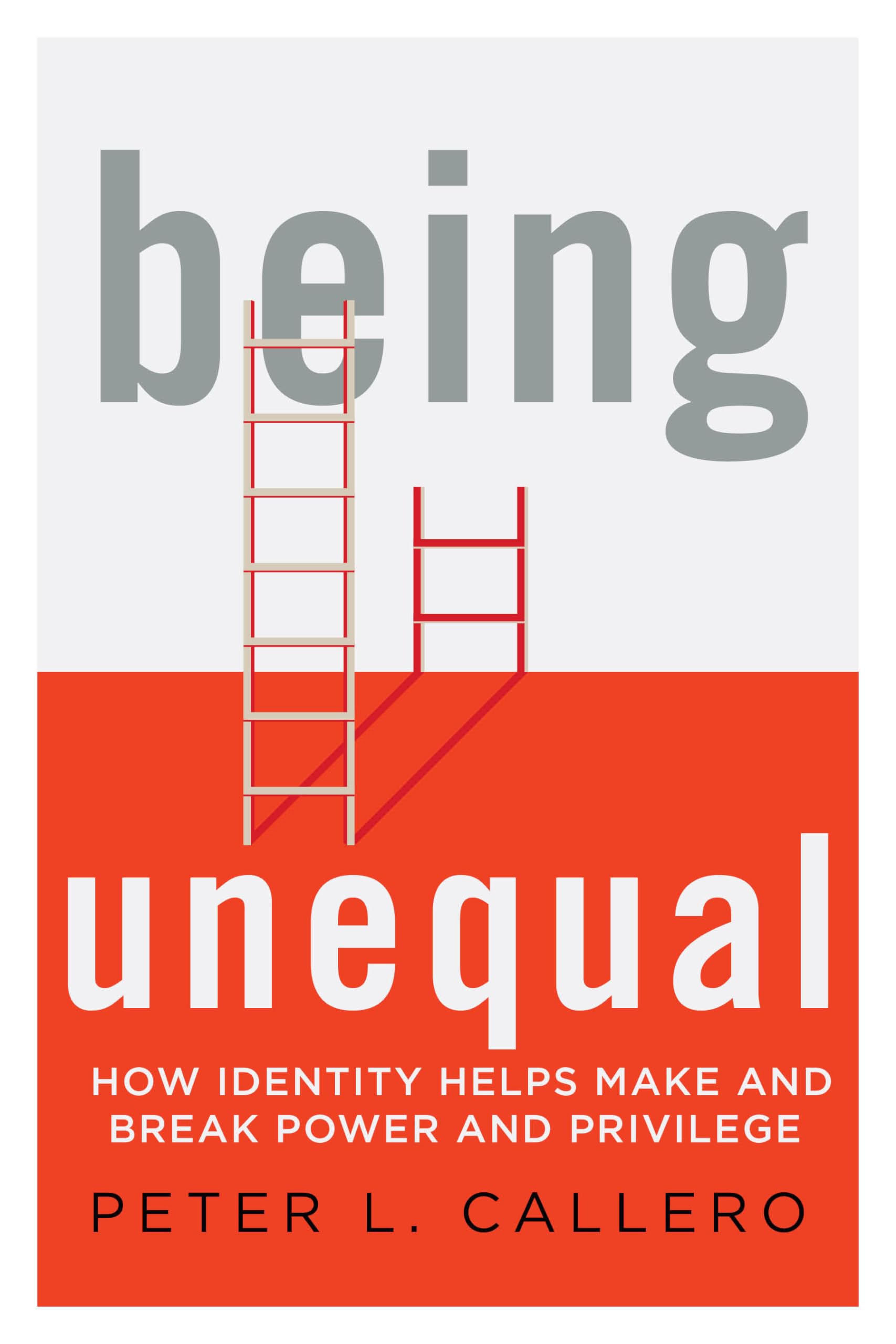
Being Unequal: How Identity Helps Make and Break Power and Privilege,Used
Sold by Ergodebooks, an authorized reseller.
Returns accepted within 30 days | support@ergodebooks.com
Shipping Information
- Free Standard Shipping — United States only
- Processing Time: 3–5 business days
- Estimated Delivery: 6–10 business days after dispatch
- Double-boxed, fully insured & discreetly packaged
- Tracking number sent via email once dispatched
Returns & Refund
Returns accepted within 30 days of delivery.
Damaged or Defective Item
Free return shipping + replacement or full refund
Wrong Item Received
Free return shipping + replacement or full refund
Change of Mind
Return shipping at customer's expense · 25% restocking fee applies
Payment Option

We may think we control our own destinies, but who we are, how we think, what we feel, and how we act are shaped by multiple, intersecting identities that have different amounts of power and value in our society. Being Unequal explores how identity categories associated with race, class, gender, and sexuality help shape inequality. This concise and accessible book asks: How is identity experienced? How does identity help reproduce inequality? How does identity help resist inequality? What is the relationship between micro and macro inequalityin other words, how do our personal experiences shape larger social forces?Being Unequal argues that identities matter because they are a critical part of a complex social process in which everyday interactions contribute to larger systems of structural inequality. By recognizing the links between identity and inequality, Being Unequal also highlights the power of collective action to resist and oppose domination and exploitation. Filled with engaging realworld examples ranging from the social construction of momentary high school cliques to the emergence of momentous social movements, Being Unequal is a powerful introduction to social identities and the ways they shape our world.
⚠️ WARNING (California Proposition 65):
This product may contain chemicals known to the State of California to cause cancer, birth defects, or other reproductive harm.
For more information, please visit www.P65Warnings.ca.gov.
- Q: What is the main theme of 'Being Unequal'? A: 'Being Unequal' explores how intersecting identities, such as race, class, gender, and sexuality, play a role in shaping inequality and power dynamics in society.
- Q: Who is the author of 'Being Unequal'? A: The author of 'Being Unequal' is Peter L. Callero.
- Q: How many pages does 'Being Unequal' have? A: 'Being Unequal' has a total of 198 pages.
- Q: What is the publication date of 'Being Unequal'? A: 'Being Unequal' was published on July 25, 2017.
- Q: What type of binding does 'Being Unequal' have? A: 'Being Unequal' is available in paperback binding.
- Q: Is 'Being Unequal' suitable for beginners in social psychology? A: Yes, 'Being Unequal' is concise and accessible, making it suitable for those new to social psychology and interactions.
- Q: Does 'Being Unequal' include real-world examples? A: Yes, the book includes engaging real-world examples that illustrate the concepts of identity and inequality.
- Q: What questions does 'Being Unequal' address regarding identity? A: 'Being Unequal' addresses how identity is experienced, how it reproduces inequality, and how it can help resist inequality.
- Q: What category does 'Being Unequal' fall under? A: 'Being Unequal' is categorized under Social Psychology & Interactions.
- Q: What is the condition of the book 'Being Unequal'? A: 'Being Unequal' is in new condition.