
Title
Beliefs and the Dead in Reformation England,Used
Sold by Ergodebooks, an authorized reseller.
Returns accepted within 30 days | support@ergodebooks.com
Shipping Information
- Free Standard Shipping — United States only
- Processing Time: 3–5 business days
- Estimated Delivery: 6–10 business days after dispatch
- Double-boxed, fully insured & discreetly packaged
- Tracking number sent via email once dispatched
Returns & Refund
Returns accepted within 30 days of delivery.
Damaged or Defective Item
Free return shipping + replacement or full refund
Wrong Item Received
Free return shipping + replacement or full refund
Change of Mind
Return shipping at customer's expense · 25% restocking fee applies
Payment Option

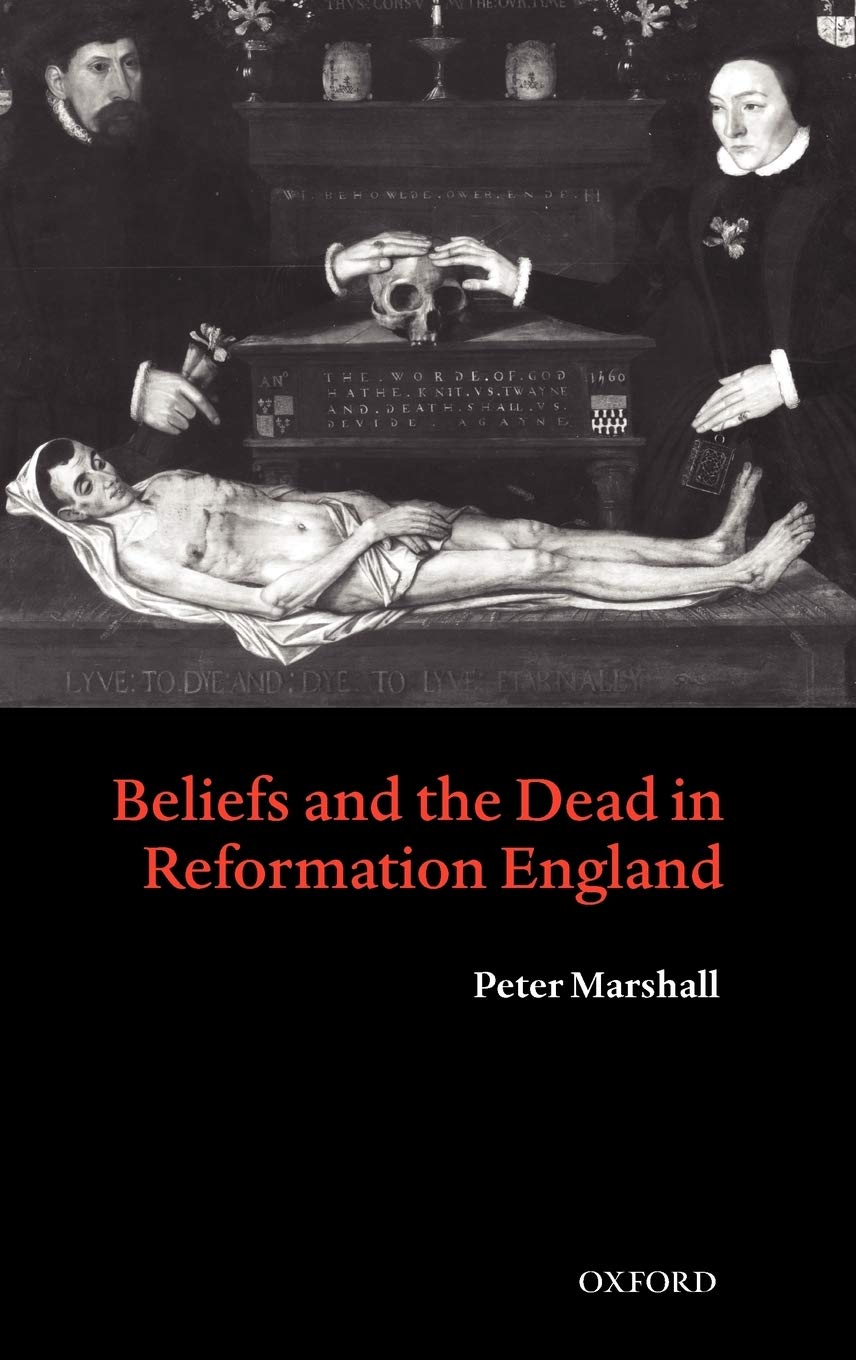
This is the first comprehensive study of one of the most important aspects of the Reformation in England: its impact on the status of the dead. Protestant reformers insisted vehemently that between heaven and hell there was no 'middle place' of purgatory where the souls of the departed could be assisted by the prayers of those still living on earth. This was no remote theological proposition, but a revolutionary doctrine affecting the lives of all sixteenthcentury English people, and the ways in which their Church and society were organized.This book illuminates the (sometimes ambivalent) attitudes towards the dead to be discerned in preReformation religious culture, and traces (up to about 1630) the uncertain progress of the 'reformation of the dead' attempted by Protestant authorities, as they sought both to stamp out traditional rituals and to provide the replacements acceptable in an increasingly fragmented religious world. It also provides detailed surveys of Protestant perceptions of the afterlife, of the cultural meanings of the appearance of ghosts, and of the patterns of commemoration and memory which became characteristic of postReformation England. Together these topics constitute an important casestudy in the nature and tempo of the English Reformation as an agent of social and cultural transformation.The book speaks directly to the central concerns of current Reformation scholarship, addressing questions posed by 'revisionist' historians about the vibrancy and resilience of traditional religious culture, and by 'postrevisionists' about the penetration of reformed ideas. Dr Marshall demonstrates not only that the dead can be regarded as a significant 'marker' of religious and cultural change, but that a persistent concern with their status did a great deal to fashion the distinctive appearance of the English Reformation as a whole, and to create its peculiarities and contradictory impulses.
⚠️ WARNING (California Proposition 65):
This product may contain chemicals known to the State of California to cause cancer, birth defects, or other reproductive harm.
For more information, please visit www.P65Warnings.ca.gov.