
Title
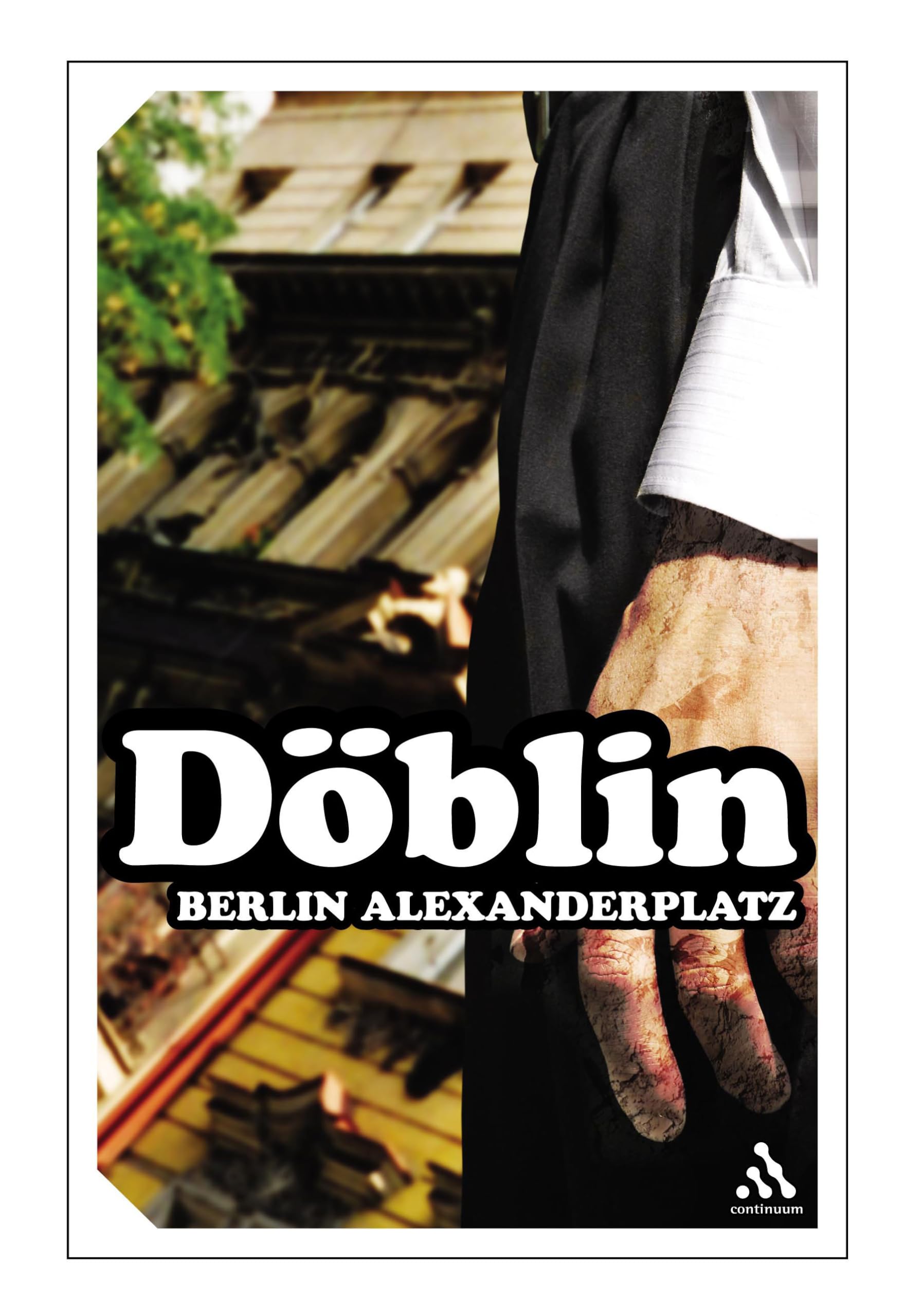
Berlin Alexanderplatz: The Story Of Franz Biberkopf (Continuum Impacts),Used
Sold by Ergodebooks, an authorized reseller.
Returns accepted within 30 days | support@ergodebooks.com
Shipping Information
- Free Standard Shipping — United States only
- Processing Time: 3–5 business days
- Estimated Delivery: 6–10 business days after dispatch
- Double-boxed, fully insured & discreetly packaged
- Tracking number sent via email once dispatched
Returns & Refund
Returns accepted within 30 days of delivery.
Damaged or Defective Item
Free return shipping + replacement or full refund
Wrong Item Received
Free return shipping + replacement or full refund
Change of Mind
Return shipping at customer's expense · 25% restocking fee applies
Payment Option

Berlin Alexanderplatz is one of the masterpieces of modern European literature and the first German novel to adopt the technique of James Joyce. It tells the story of Franz Biberkopf, who, on being released from prison, is confronted with the poverty, unemployment, crime and burgeoning Nazism of 1920s Germany. As Franz struggles to survive in this world, fate teases him with a little pleasure before cruelly turning on him. Foreword by Alexander Stephan. Translated by Eugene Jolas.Alfred Doblin (18781957) studied medicine in Berlin and specialized in the treatment of nervous diseases. Along with his experiences as a psychiatrist in the workers quarter of Berlin, his writing was inspired by the work of Holderlin, Schopenhauer and Nietzsche and was first published in the literary magazine, Der Sturm. Associated with the Expressionist literary movement in Germany, he is now recognized as one of the most important modern European novelists.
⚠️ WARNING (California Proposition 65):
This product may contain chemicals known to the State of California to cause cancer, birth defects, or other reproductive harm.
For more information, please visit www.P65Warnings.ca.gov.
- Q: How many pages does the book have? A: This book has four hundred pages. It provides an in-depth exploration of modern European literature through the narrative of Franz Biberkopf.
- Q: What is the book's binding type? A: The book is available in paperback binding. This makes it lightweight and easy to handle for readers.
- Q: What are the dimensions of the book? A: The book measures five inches in length, one inch in width, and eight inches in height. These dimensions make it a standard size for easy reading.
- Q: What is the main theme of the book? A: The main theme revolves around survival and the struggles against societal issues. It addresses poverty, unemployment, and the rise of Nazism in Germany.
- Q: Who is the author of this book? A: The author is Alfred Doblin. He is recognized as a significant figure in modern European literature.
- Q: Is this book suitable for all ages? A: This book is intended for adult readers. Its themes and content are complex, reflecting the harsh realities of 1920s Germany.
- Q: How should I read this book for maximum understanding? A: Reading this book slowly is recommended for better comprehension. The narrative style is influenced by James Joyce, which may require careful attention.
- Q: Can I read this book if I am new to literature? A: Yes, but it may be challenging for beginners. Familiarity with modern literature techniques will enhance the reading experience.
- Q: What should I do to keep the book in good condition? A: To maintain the book's condition, store it in a cool, dry place and avoid exposure to direct sunlight. Handle it gently to prevent wear.
- Q: Is the book safe for children? A: No, this book is not safe for children. It contains mature themes that may not be appropriate for younger audiences.
- Q: What if the book arrives damaged? A: If the book arrives damaged, you should contact the seller for a return or replacement. Keep the original packaging for a smoother process.
- Q: Does this book come with a warranty? A: No, this book does not come with a warranty. Standard return policies apply based on the seller's guidelines.
- Q: Is this book a good choice for philosophy students? A: Yes, it is an excellent choice for philosophy students. It explores profound themes relevant to societal issues and human struggles.
- Q: What is the significance of the foreword in this book? A: The foreword by Alexander Stephan provides context and insight into the themes and significance of Doblin's work in modern literature.
- Q: How does this book compare to other modernist literature? A: This book is comparable to works by James Joyce but focuses on societal challenges in Germany, offering a unique perspective within modernist literature.