
Title
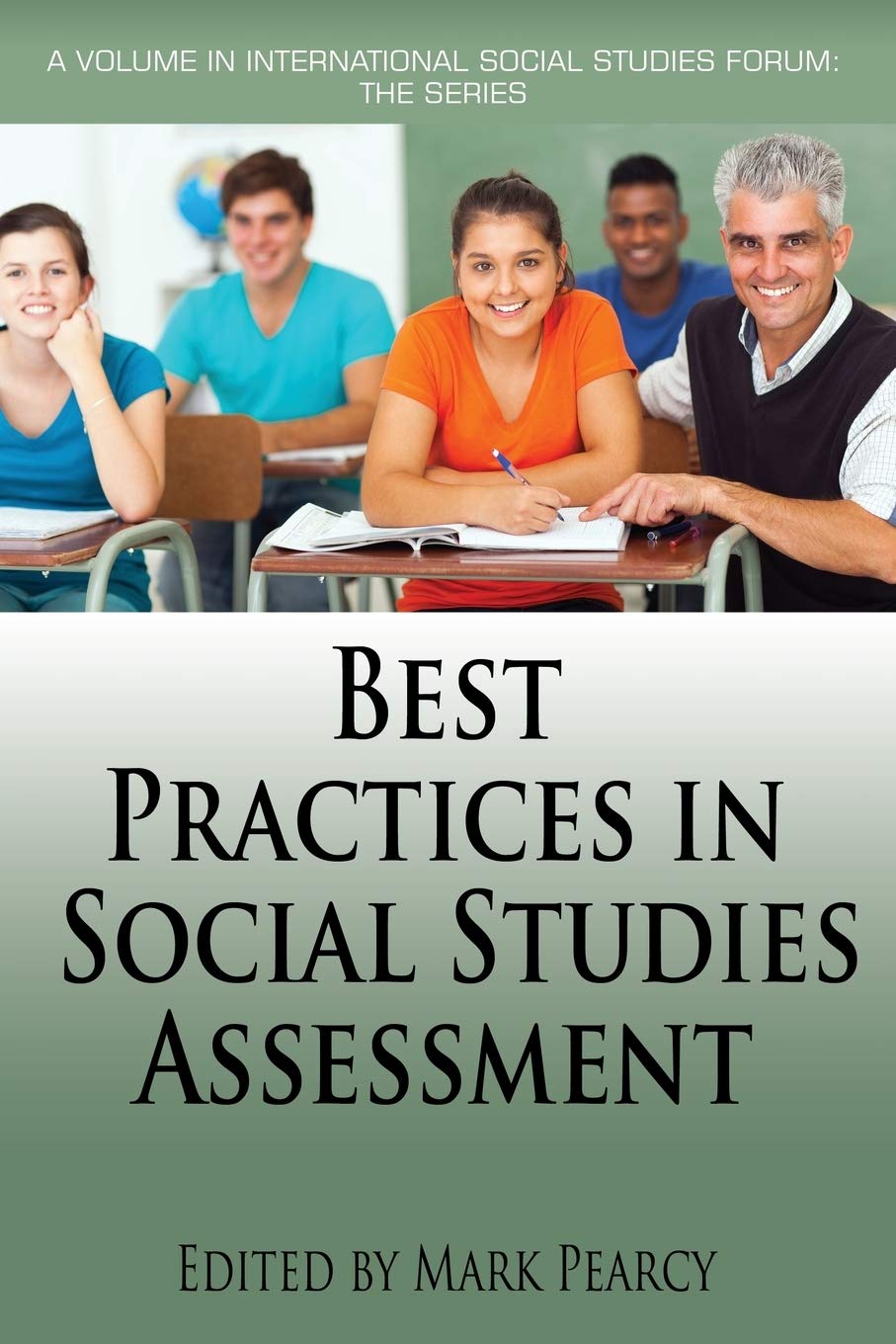
Best Practices In Social Studies Assessment (International Social Studies Forum: The Series),New
Sold by Ergodebooks, an authorized reseller.
Returns accepted within 30 days | support@ergodebooks.com
Shipping Information
- Free Standard Shipping — United States only
- Processing Time: 3–5 business days
- Estimated Delivery: 6–10 business days after dispatch
- Double-boxed, fully insured & discreetly packaged
- Tracking number sent via email once dispatched
Returns & Refund
Returns accepted within 30 days of delivery.
Damaged or Defective Item
Free return shipping + replacement or full refund
Wrong Item Received
Free return shipping + replacement or full refund
Change of Mind
Return shipping at customer's expense · 25% restocking fee applies
Payment Option

The Importance Of Social Studies Assessment Is Beyond Question. The National Council Of The Social Studies' C3 Framework Recognizes The Importance Of High Quality Assessments Its Major Objective, A 'Deep Understanding Of The Sociocultural World,'Has As Its Underpinning The Idea That Students Must Be Able To Investigate The World, And That Teachers Much Be Able To Assess Their Understanding Of It. However, There Is A Comparative Dearth Of Research That Focuses On Effective Social Studies Assessment, Particularly With Regard To The Impact Of Teacher Practice On The Development Of Best Practices. Such Research Is Vital To Moving Social Studies Away From An Emphasis On Testing And More Towards Using Assessment As A Means Of Educating Our Students. In Best Practices Of Social Studies Assessment, We Focus On An Essential Question: What Is An 'Effective' Assessment? Helping Teachers Develop Practical, Creative, Curriculumappropriate Strategies Is Essential, Especially In An Era In Which Teachers Are Faced With The Dilemma Of Creating Inquirybased Assessments In The Midst Of Preexisting Regimes Of Standardized Summative Assessments. In This Volume, Research Conducted Between University Professors And Working Teachers Is Described, Focusing On Innovative Assessment Practices. These Practices Include Roleplaying Activities Depicting Historical Events; Socratic Seminars Revolving Around Public Policy Issues; Collaborative Student Projects On A Wide Range Of Social Inquiries, Including The Implementation Of Un Programs; And The Promotion Of Critical Thinking And Writing Skills, On Subjects As Diverse As School Violence And The Impact Of Imperialism. These Adaptive Assessments Highlight The Essential Role Of The Teacher In Creating Assessments That Blend Higherorder Critical Thinking, Complex Content Knowledge, And An Understanding Of Their Own Students. The Strategies Described In This Volume Focus On The Ability Of Expert Educators To '[Acknowledge] The Structures, Power, And Consequences Of Highstakes Testing Regimes While Simultaneously Designing And Sustaining Classroom Assessment Methods That Embody The Socialparticipatory Nature Of Learning And Reflect Research On Effective Practice'(P. 289). The Volume Also Describes The Shared Characteristics Of The Teachers Who Created These Assessments, Especially Their Emphasis On Selfreflection And Student Autonomy, As Well As Their Professional Willingness To Take On Challenges Associated With Performancebased Assessments, Even In The Face Of Institutional Pressures And External Demands.
⚠️ WARNING (California Proposition 65):
This product may contain chemicals known to the State of California to cause cancer, birth defects, or other reproductive harm.
For more information, please visit www.P65Warnings.ca.gov.
- Q: How many pages does the book have? A: The book has one hundred fifty-eight pages. This length allows for an in-depth exploration of best practices in social studies assessment.
- Q: What is the binding type of the book? A: The book is bound in paperback. This makes it more flexible and lightweight for easy handling and reading.
- Q: What are the dimensions of the book? A: The book measures six point fourteen inches in length, zero point thirty-five inches in width, and nine point twenty-one inches in height. These dimensions make it a convenient size for both storage and reading.
- Q: Who is the author of the book? A: The author of the book is Mark Pearcy. He brings valuable insights into effective social studies assessment.
- Q: What category does this book fall under? A: This book falls under the Methodology category. It focuses on innovative assessment practices in social studies.
- Q: How do teachers use the strategies in this book? A: Teachers can use the strategies by implementing creative and inquiry-based assessments. The book provides practical examples to help teachers engage students effectively.
- Q: Is this book suitable for beginner teachers? A: Yes, this book is suitable for beginner teachers. It offers foundational strategies that can help new educators develop assessment techniques.
- Q: Can I use this book for professional development? A: Yes, this book is ideal for professional development. It encourages self-reflection and offers innovative practices for experienced educators.
- Q: What age group is this book appropriate for? A: This book is appropriate for educators of all grade levels. Its content is designed to be applicable in various educational settings.
- Q: How should I store the book? A: Store the book in a cool, dry place to maintain its condition. Avoid exposure to direct sunlight to prevent fading and wear.
- Q: Can I write in this book? A: Yes, you can write in this book. Many educators find it helpful to take notes or highlight important concepts within the text.
- Q: What if the book arrives damaged? A: If the book arrives damaged, contact the seller for a return or exchange. Most sellers have return policies to address such issues.
- Q: Does this book include any digital resources? A: No, this book does not include digital resources. It is a standalone paperback offering insights into assessment practices.
- Q: What makes this book different from other education books? A: This book focuses specifically on social studies assessment practices that emphasize creativity and inquiry-based learning. It stands out for its practical application.
- Q: Is there a bibliography or references included? A: Yes, the book includes references to support its research and practices. This enhances its credibility and provides further reading opportunities.