
Title
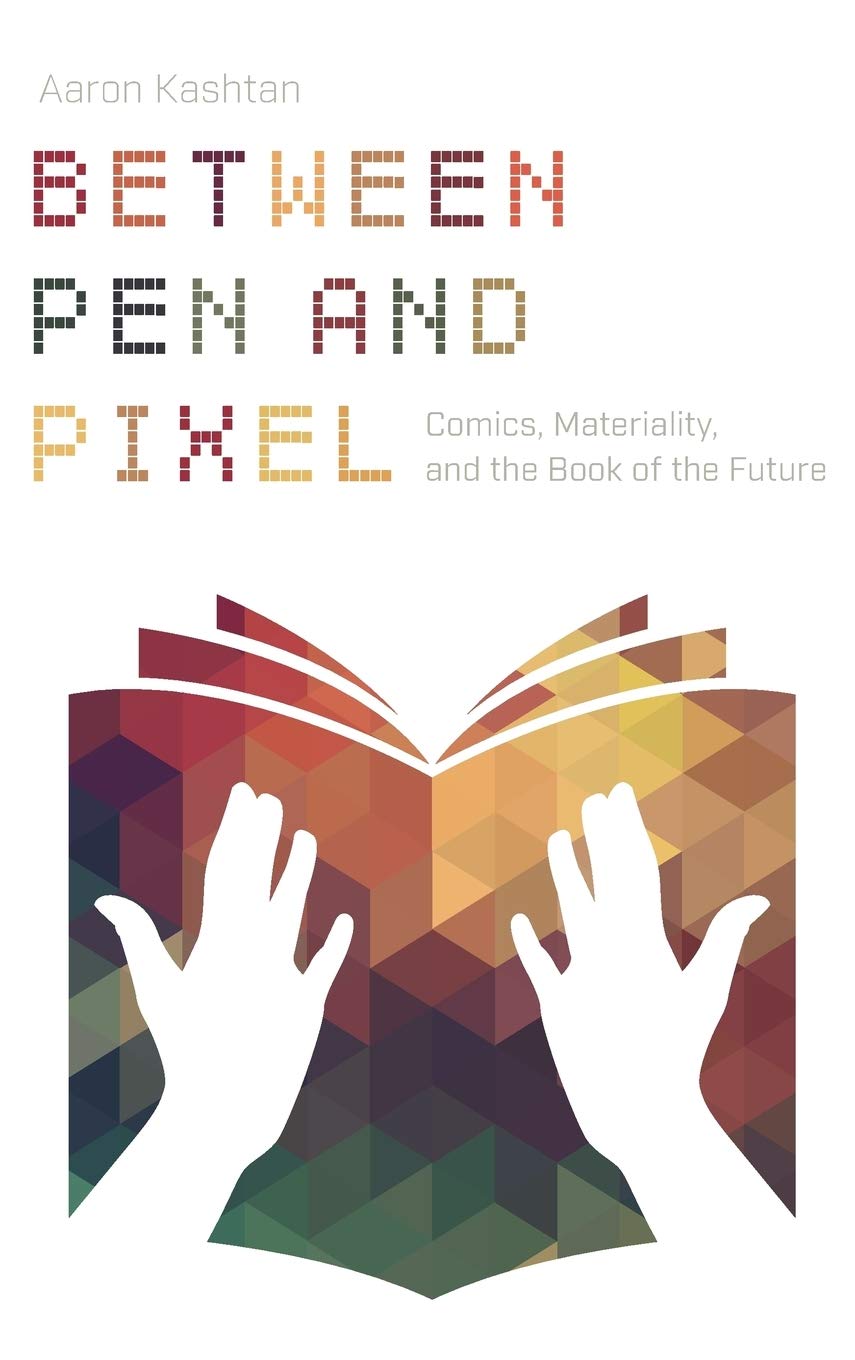
Between Pen And Pixel: Comics, Materiality, And The Book Of The Future (Studies In Comics And Cartoons),Used
Sold by Ergodebooks, an authorized reseller.
Returns accepted within 30 days | support@ergodebooks.com
Shipping Information
- Free Standard Shipping — United States only
- Processing Time: 3–5 business days
- Estimated Delivery: 6–10 business days after dispatch
- Double-boxed, fully insured & discreetly packaged
- Tracking number sent via email once dispatched
Returns & Refund
Returns accepted within 30 days of delivery.
Damaged or Defective Item
Free return shipping + replacement or full refund
Wrong Item Received
Free return shipping + replacement or full refund
Change of Mind
Return shipping at customer's expense · 25% restocking fee applies
Payment Option

Product Description2019 Will Eisner Comic Industry Award Nominee, Best Academic/Scholarly WorkIn Between Pen and Pixel: Comics, Materiality, and the Book of the Future, Aaron Kashtan argues that paying attention to comics helps us understand the future of the book. Debates over the future of the book tend to focus on textbased literature, particularly fiction. However, because comics make the effects of materiality visible, they offer a clearer demonstration than prose fiction of how the rise of digital reading platforms transforms the reading experience. Comics help us see the effects of alterations in features such as publication design and typography, whereas in print literature, such transformations often go unnoticed.With case studies of the work of Alison Bechdel, Matt Kindt, Lynda Barry, Carla Speed McNeil, Chris Ware, and Randall Munroe, Kashtan examines print comics that critique digital technology, comics that are remediated from print to digital and vice versa, and comics that combine print and digital functionality. Kashtan argues that comics are adapting to the rise of digital reading technologies more effectively than print literature has yet done. Therefore, looking at comics gives us a preview of what the future of the book looks like. Ultimately, Between Pen and Pixel argues that as print literature becomes more sensitive to issues of materiality and mediacy, print books will increasingly start to resemble to comic books.ReviewBy linking a focus on materiality within texts to larger developments in the comics industry, Kashtan gives us a vivid portrait of a medium in transition. Between Pen and Pixel offers a powerful model for how methodologies focused on materiality might advance the field of comic studies. Henry Jenkins, author of Convergence Culture: Where Old and New Media CollideThis book goes beyond just a survey of interesting experiments in comics materiality. It makes a bolder claim for the centrality of comics for book culture as a whole in the digital age. Greg Smith, author of What Media Classes Really Want to DiscussAbout the AuthorAaron Kashtan is a Lecturer in the University Writing Program at the University of North Carolina at Charlotte.
⚠️ WARNING (California Proposition 65):
This product may contain chemicals known to the State of California to cause cancer, birth defects, or other reproductive harm.
For more information, please visit www.P65Warnings.ca.gov.