
Title
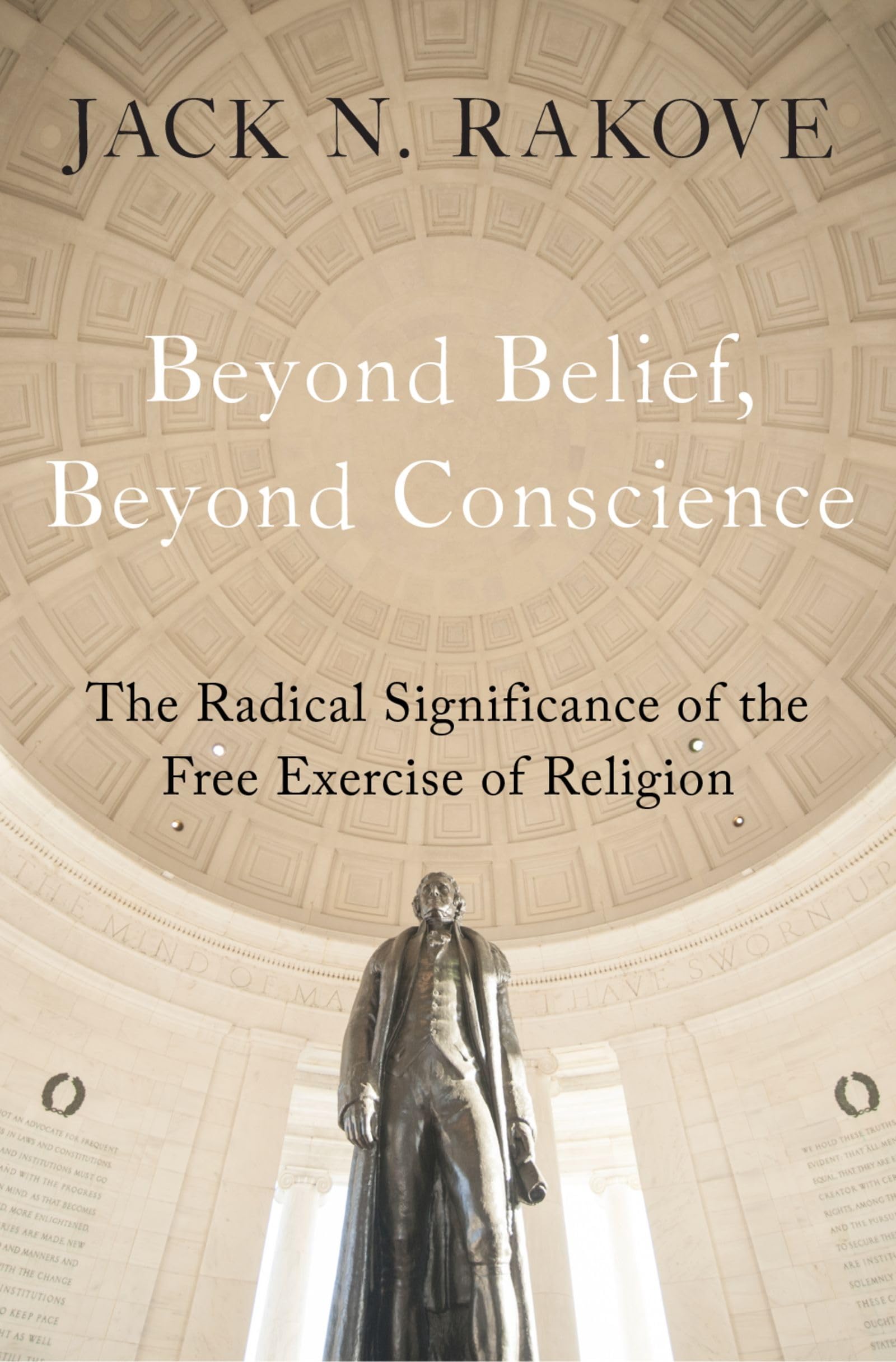
Beyond Belief, Beyond Conscience: The Radical Significance of the Free Exercise of Religion (Inalienable Rights),Used
Sold by Ergodebooks, an authorized reseller.
Returns accepted within 30 days | support@ergodebooks.com
Shipping Information
- Free Standard Shipping — United States only
- Processing Time: 3–5 business days
- Estimated Delivery: 6–10 business days after dispatch
- Double-boxed, fully insured & discreetly packaged
- Tracking number sent via email once dispatched
Returns & Refund
Returns accepted within 30 days of delivery.
Damaged or Defective Item
Free return shipping + replacement or full refund
Wrong Item Received
Free return shipping + replacement or full refund
Change of Mind
Return shipping at customer's expense · 25% restocking fee applies
Payment Option

Today, Americans believe that the early colonists came to the New World in search of religious liberty. What we often forget is that they wanted religious liberty for themselves, not for those who held other views that they rejected and detested. Yet, by the mid18th century, the colonists agreed that everyone possessed a sovereign right of conscience. How did this change develop? In Beyond Belief, Beyond Conscience, Pulitzer Prizewinning author Jack Rakove tracks the unique course of religious freedom in America.He finds that, as denominations and sects multiplied, Americans became much more tolerant of the free expression of rival religious beliefs. During the Revolutionary era, he explains, most of the new states moved to disestablish churches and to give constitutional recognition to rights of conscience. These two developments explain why religious freedom originally represented the most radical right of all. No other right placed greater importance on the moral autonomy of individuals, or better illustrated how the authority of government could be limited by denying the state authority to act. Together, these developments made possible the great revival of religion in 19thcentury America.As Rakove explains, America's intense religiosity eventually created a new set of problems for mapping the relationship between church and state. He goes on to examine some of our contemporary controversies over church and state not from the vantage point of legal doctrine, but of the deeper history that gave the U.S. its own approach to religious freedom. In this book, he tells the story of how American ideas of religious toleration and free exercise evolved over time, and why questions of church and state still vex us.
⚠️ WARNING (California Proposition 65):
This product may contain chemicals known to the State of California to cause cancer, birth defects, or other reproductive harm.
For more information, please visit www.P65Warnings.ca.gov.