
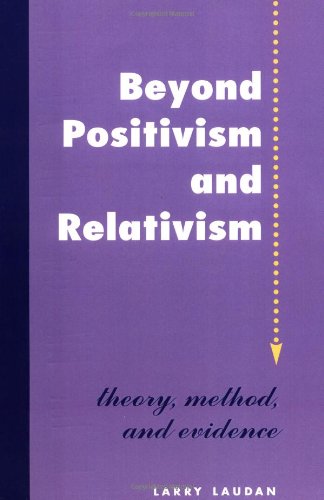
Beyond Positivism And Relativism: Theory, Method, And Evidence,Used
$40.97
Title
Beyond Positivism And Relativism: Theory, Method, And Evidence,Used
Free Standard Shipping Across USA
Quantity
Sold by Ergodebooks, an authorized reseller.
Returns accepted within 30 days | support@ergodebooks.com
Shipping Information
- Free Standard Shipping — United States only
- Processing Time: 3–5 business days
- Estimated Delivery: 6–10 business days after dispatch
- Double-boxed, fully insured & discreetly packaged
- Tracking number sent via email once dispatched
Returns & Refund
Returns accepted within 30 days of delivery.
Damaged or Defective Item
Free return shipping + replacement or full refund
Wrong Item Received
Free return shipping + replacement or full refund
Change of Mind
Return shipping at customer's expense · 25% restocking fee applies
All returns require a Return Authorization (RA) number before sending.
View Full Return & Refund Policy
Payment Option

Beyond Positivism And Relativism: Theory, Method, And Evidence
⚠️ WARNING (California Proposition 65):
This product may contain chemicals known to the State of California to cause cancer, birth defects, or other reproductive harm.
For more information, please visit www.P65Warnings.ca.gov.
- Q: What is the page count of the book? A: The book contains two hundred eighty-eight pages. This length provides a thorough exploration of the topics discussed.
- Q: What is the binding type of this book? A: This book is available in paperback binding. Paperback editions are lightweight and flexible, making them easy to handle.
- Q: What are the dimensions of the book? A: The book measures six point twenty-six inches in length, zero point seventy-five inches in width, and nine point twenty-five inches in height. These dimensions make it a convenient size for reading.
- Q: Who is the author of the book? A: The author of the book is Larry Laudan. He is known for his work in the philosophy of science.
- Q: What is the primary subject of this book? A: The primary subject of the book is the philosophy of science. It addresses the debate between positivism and relativism.
- Q: Is this book suitable for beginners in philosophy? A: Yes, this book is accessible for readers new to philosophy. It presents complex ideas in a clear and engaging manner.
- Q: What themes are explored in this book? A: The book explores themes such as scientific knowledge, the nature of evidence, and the role of social factors in science. These themes are critical for understanding contemporary scientific discourse.
- Q: How does the author approach the topic of scientific knowledge? A: The author argues for a conception of scientific knowledge that transcends both positivism and relativism. He critiques the assumptions held by both positions.
- Q: What is the main argument presented in the book? A: The main argument is that the dilemma between positivism and relativism can be resolved without compromising on the principles of scientific reasoning. This challenges traditional views in the philosophy of science.
- Q: Does this book include original papers? A: Yes, several papers in this book appear for the first time. This adds unique perspectives to the ongoing debates in philosophy.
- Q: Is this book a good resource for sociology of knowledge? A: Yes, this book is a valuable resource for those interested in the sociology of knowledge. It discusses the implications of scientific progress for various fields.
- Q: What condition is the used book in? A: The book is in good condition. This means it is suitable for reading without significant wear.
- Q: Can this book help with understanding scientific progress? A: Yes, the book provides insights into scientific progress and its implications for knowledge across disciplines. It is particularly relevant for philosophers and sociologists.
- Q: What philosophical figures are referenced in the book? A: The book references influential philosophers like Thomas Kuhn and Paul Feyerabend. Their ideas are crucial for understanding the discussions presented.
- Q: Is this book part of a larger series? A: No, this book is a standalone collection of papers. It does not belong to a specific series but contributes significantly to philosophical discourse.
- Q: What type of readers would benefit from this book? A: Readers interested in philosophy, science, and epistemology will benefit from this book. It engages with fundamental questions relevant to these fields.